
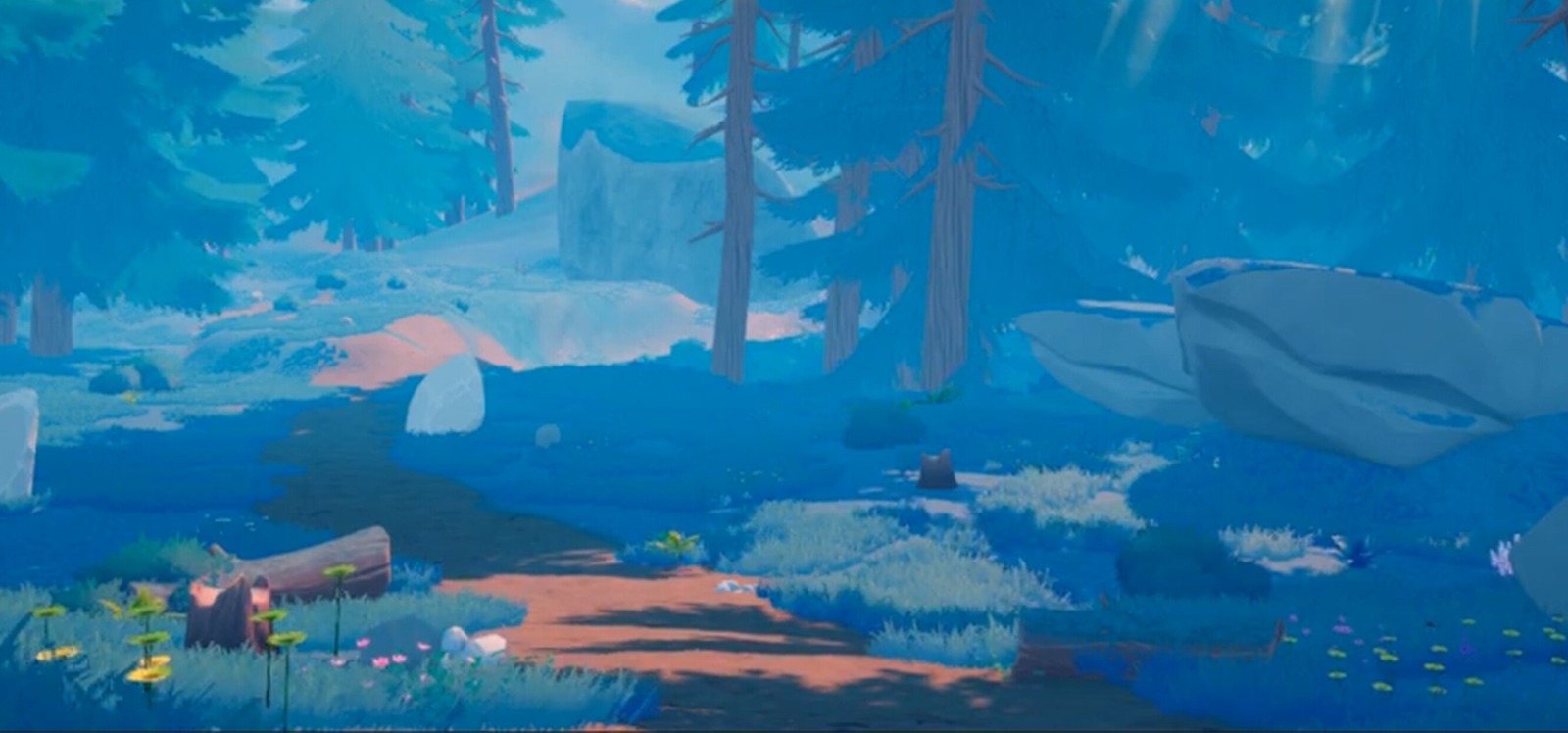
Some survival games open with a wolf at your throat. Under Canopies opens with sunlight falling through leaves, a chicken that may or may not want to be your friend, and the quiet suggestion that you are, for once, not on the menu. Novemtails’ serene woodland survival game — published by Assemble Entertainment — launched into Steam Early Access on October 23, 2026, and it makes its intentions plain from the first minute: there is no hunting and no violence here, only discovery, home-building, and the slow pleasure of learning where the forest keeps its secrets.
It is a crowded genre at the moment, and “cozy” has become a marketing word as much as a design one. What separates Under Canopies from the pack is conviction. Having spent time with its systems and read through what players are saying in its first days on sale, we can confidently say this is one of the most genuinely relaxing survival games on Steam — with the honest caveats that come with any Early Access title four days old.
Game Overview
The pitch, straight from the store page: explore without fear, build your refuge, cook and cultivate, and live alongside animals. In practice that means a first-person forest sandbox where you gather natural resources, catalogue plants and wildlife in an in-game journal, raise a cabin from scratch, keep a garden, and cook your way through more than thirty recipes. “Under Canopies redefines survival by leaving behind combat and danger,” the description reads, and for once the tagline holds up: the game’s threats are boredom and a rumbling stomach, not a boss health bar.
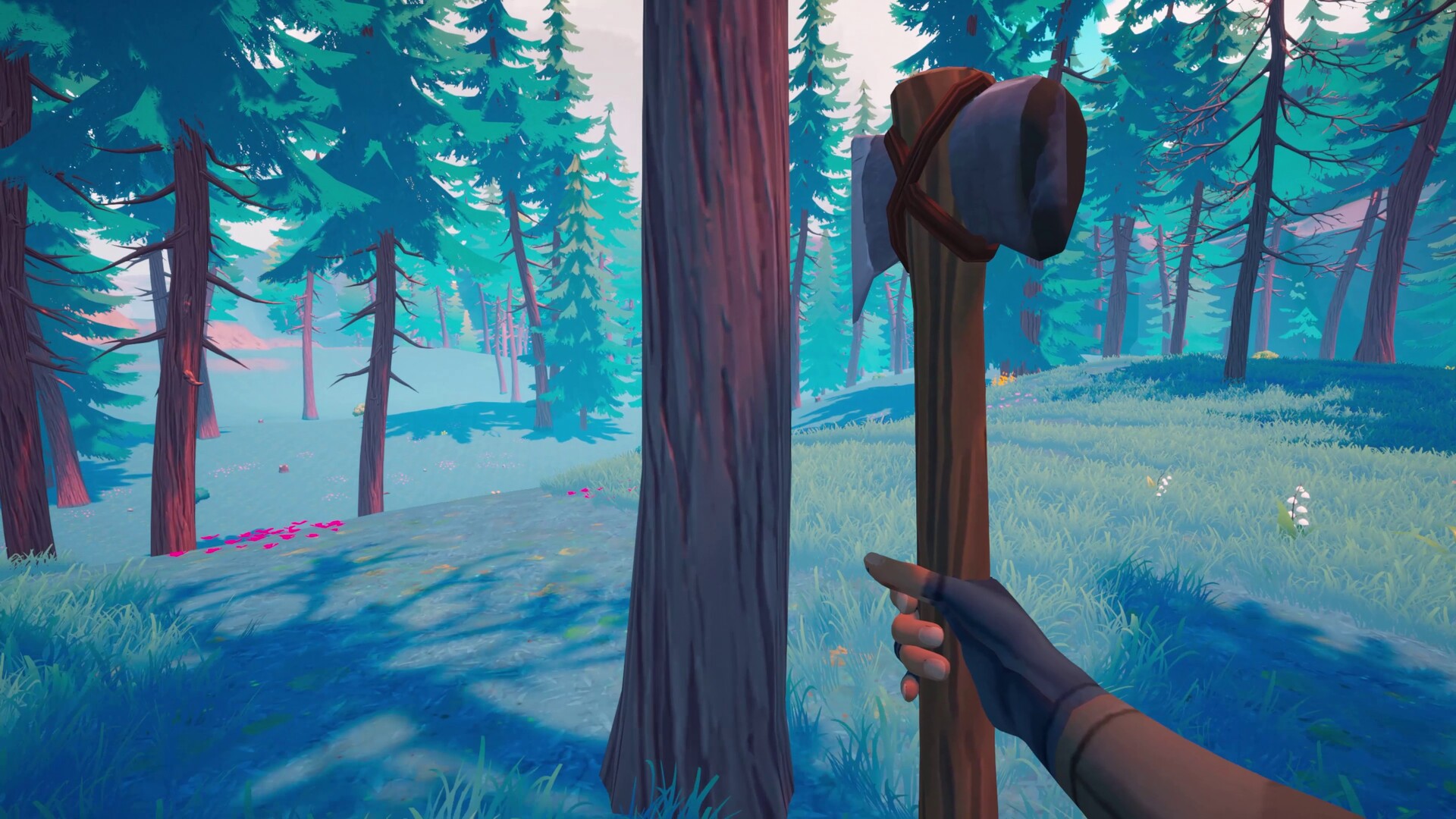
There are still survival meters to mind — hunger and thirst are part of the daily rhythm — but the pressure they exert is gentle rather than punitive. You eat because cooking is a pleasure and the garden needed a reason to exist, not because a timer is counting down to a game-over screen. The result is a loop that plays more like a nature walk with hobbies attached than a fight for existence, and that framing is the game’s single best design decision.
The Forest World
The forest itself is the main character, and it is a lovely one. The map spreads across named regions — the Deep Woods, the Flower Fields, and more — and the palette shifts with them, from the cool blue-green of dense conifers to the warm gold of autumnal birch stands and meadows scattered with wildflowers. Nothing here wants to kill you, which reframes exploration entirely: you wander because you want to see what is over the ridge, and the game rewards that curiosity with new resources, new wildlife, and new pages for your journal.
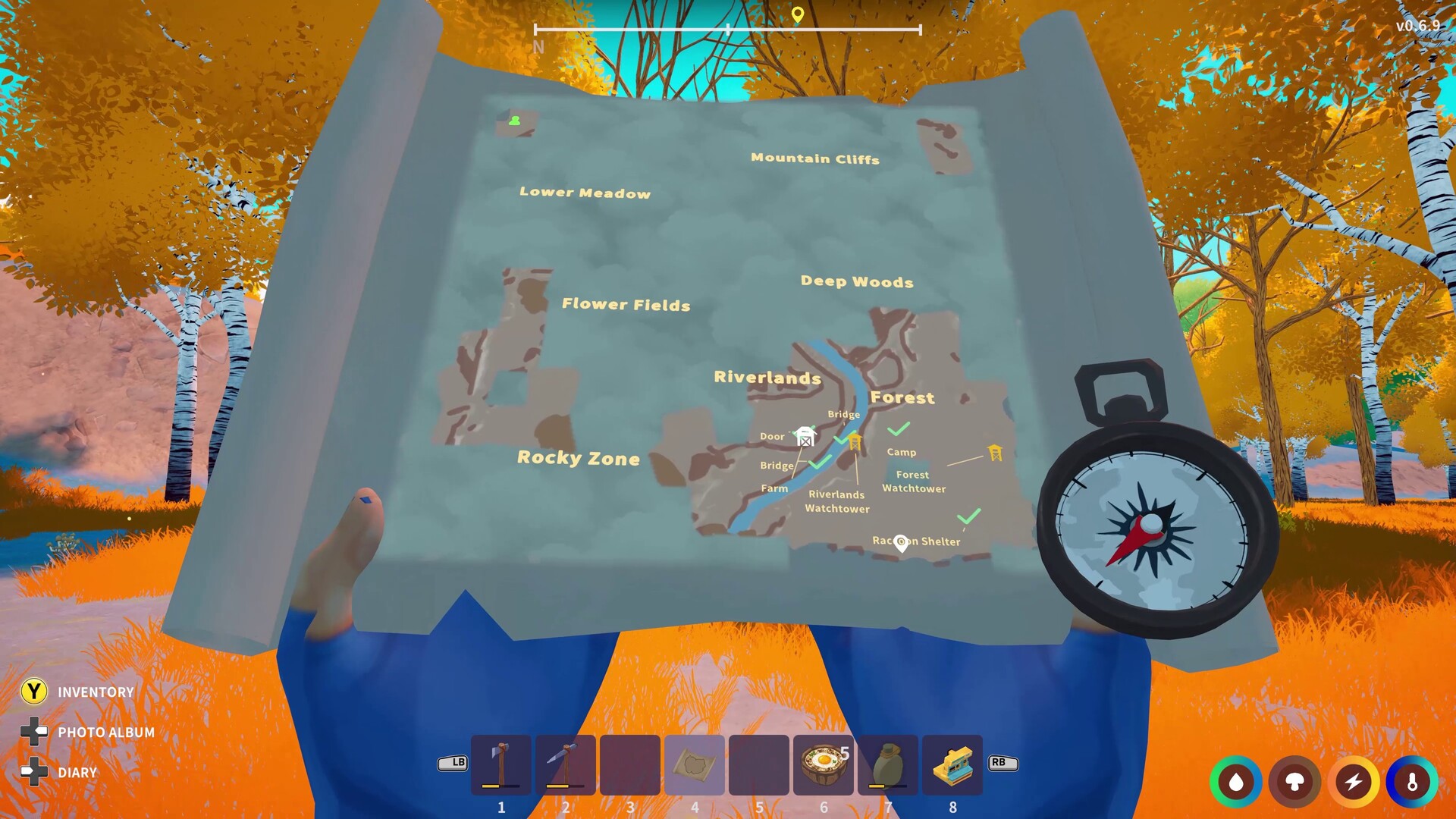
Navigation stays deliberately old-fashioned in a charming way: a paper map and a compass, not a screen full of waypoints. Players have responded to this loudly — several reviews describe spending more time tracking down animals and scenic overlooks than doing anything the game would call an objective. When a game’s systems are content to get out of the way like that, it is usually because the world is doing something right.
Survival, Farming, and Crafting
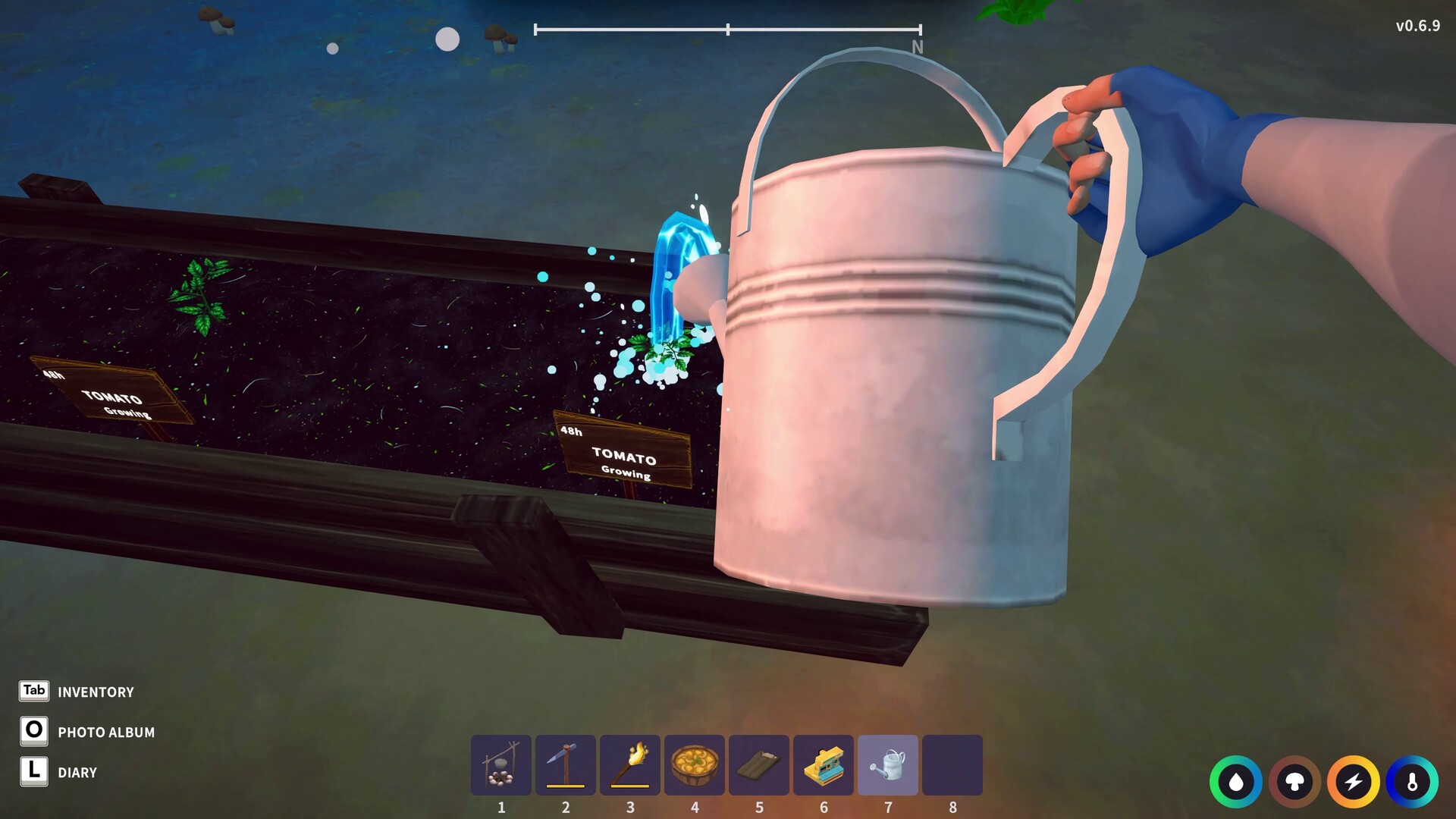
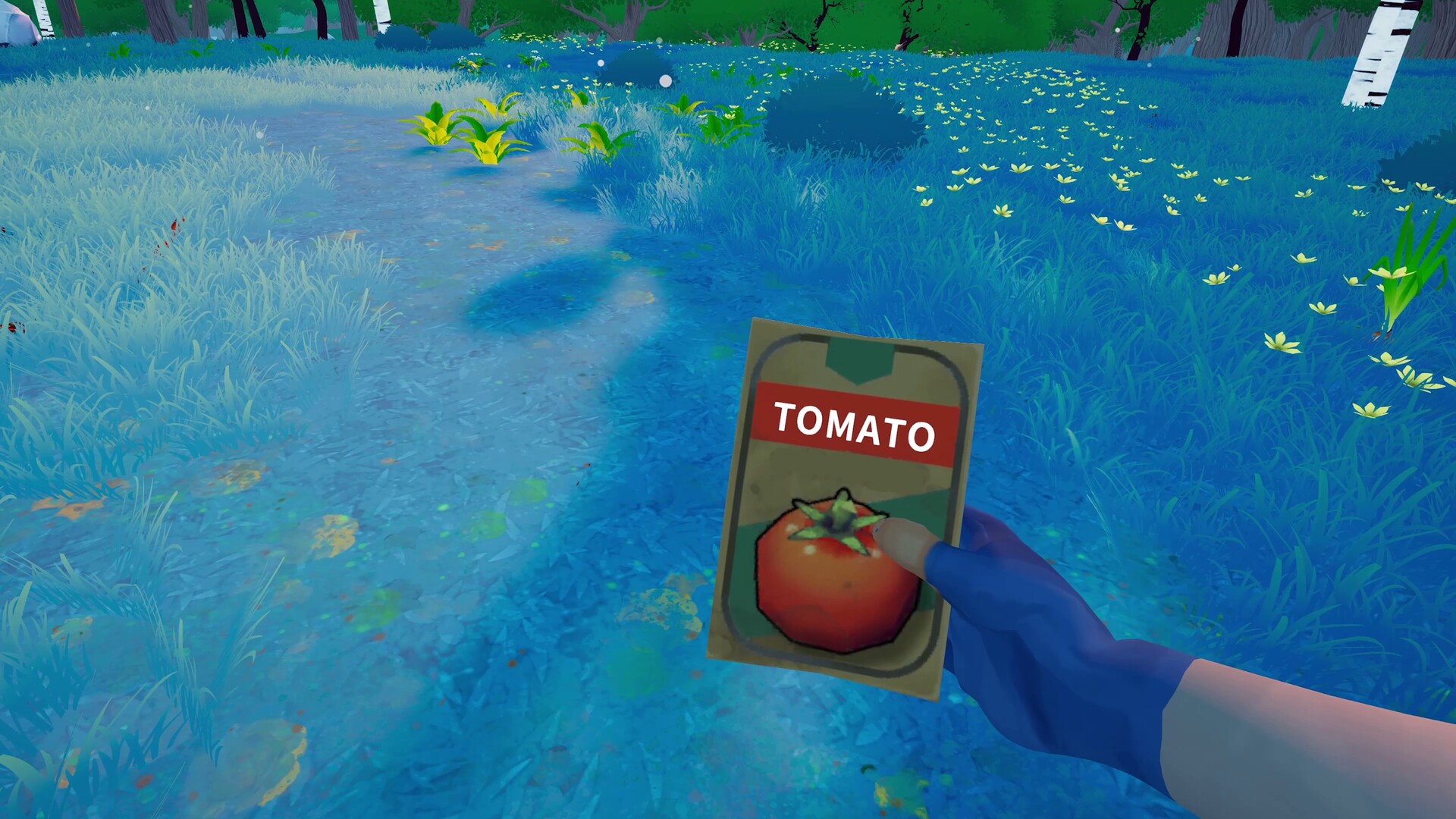
The practical side of forest life is pleasantly tactile. You clear a plot, plant seeds, and water raised planter beds — tomatoes were the first crop in our reading of the game’s systems — while a tidy hotbar keeps tools in reach and a quality-of-life auto-pickup vacuum gathers nearby resources without the usual survival-game stoop-and-click tax. Building is modular and forgiving: raise the cabin, then fill it with furniture, decorations, and handmade items until the place reads as yours.
Food is where the systems start to interlock. Gather plants, tend the garden, combine ingredients, and work through a recipe list that already runs past thirty dishes — each one a small, satisfying answer to the hunger meter rather than a chore feeding it. Two friction points surfaced repeatedly in player feedback, and both are worth naming: there is currently no way to switch hunger and thirst off entirely, which chafes players who took the “forget the stress of survival” promise literally, and item stack limits and storage feel tight enough that inventory management can dominate a session. Both are the kind of tuning an Early Access roadmap exists to fix, but today they are real.
Growing Your Homestead
Progression in Under Canopies is measured in comfort rather than power. A larger garden, a better-stocked kitchen, a cabin full of crafted furniture, a journal thick with observations — none of it makes you stronger, and all of it feels like progress. Regular updates have already smoothed the experience since launch, and players mention small but meaningful touches like the automatic pickup of nearby items as evidence that the developer is listening.
The community wishlist is equally telling: more biomes and maps, more animals, animal husbandry, deeper farming infrastructure, character customization, and — the big one — co-op. None of that exists yet. What exists is a foundation players are clearly happy to build on, which is exactly the right position for an Early Access game to be in a week after launch.
Living With the Animals
Animals are the emotional center of the game. Chickens and sheep share the homestead with bees and wild creatures, and the forest beyond is home to raccoons, moose, and at least one wolf that players have spent hours trying to befriend. The befriending mechanic is deliberately low-key — observe, offer food, be patient — and the rewards are companionship and small surprises rather than stat bonuses, which fits the game’s gentle logic perfectly.
It works because the animals are treated as neighbors instead of resources. There is no hunting, no trapping, no slaughter pipeline feeding the crafting tree; the things you gain from the creatures around you arrive through care. Multiple player reviews describe the animal interactions as the reason they keep launching the game, and at least one player admitted to spending more time courting a stubborn chicken than doing anything productive. That is a feature, not a bug.
Visuals and Atmosphere
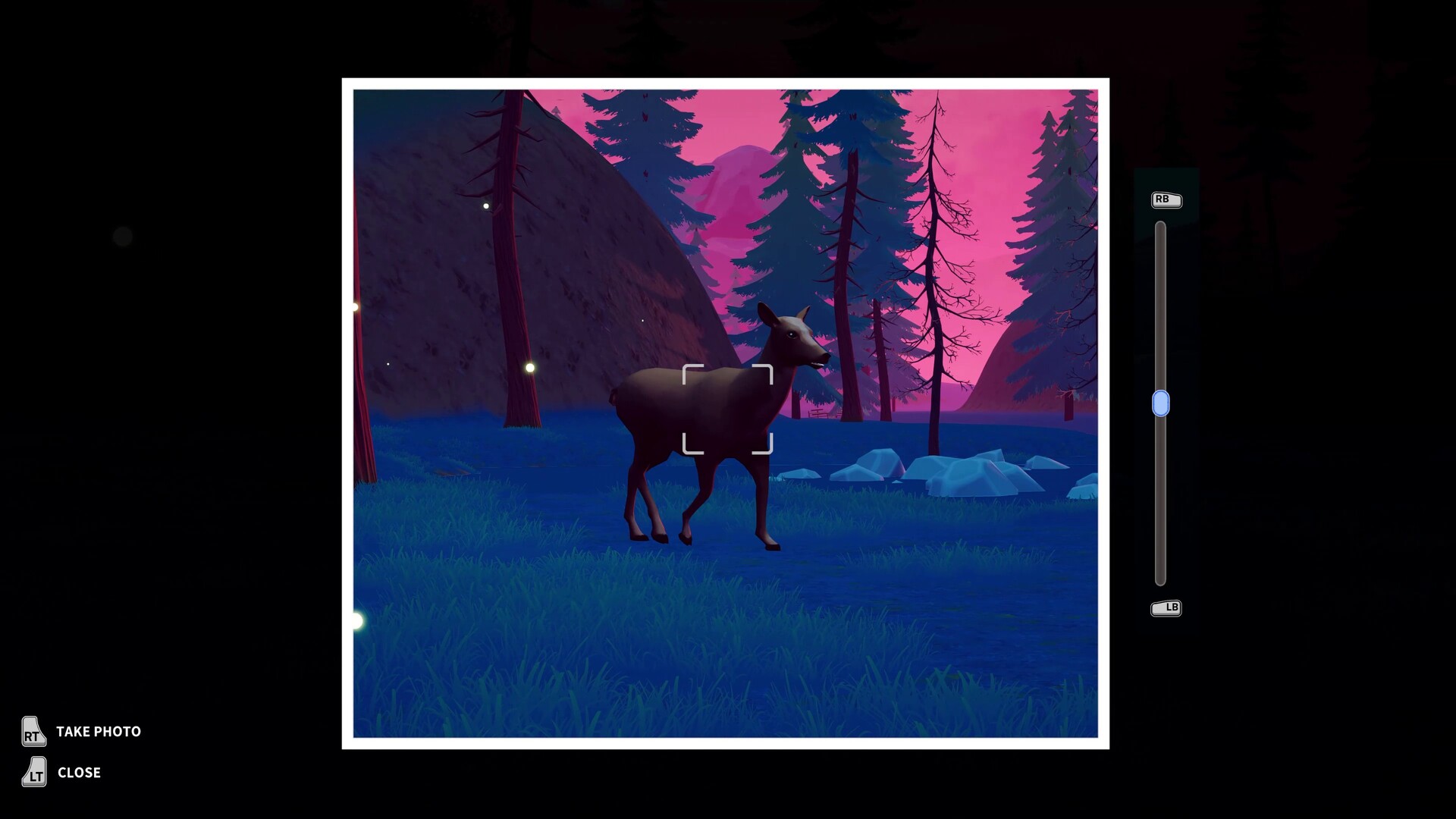
Stylized rather than photorealistic, the art direction leans on strong color and light: dappled canopy sun, the cold blue of a deep-woods grove, fireflies over a dusk clearing. The photo mode is a quiet triumph — players describe losing entire sessions to framing wildlife and landscapes and saving the results — and it doubles as proof of how confident the game is in its own scenery.
Sound design carries equal weight. The forest is quiet in the way real forests are quiet — wind, birdsong, the rustle of something moving just out of sight — and players repeatedly use words like “therapeutic” and “restorative” to describe the effect. It is a game clearly built to be played with headphones after a long day, and it delivers that experience with unusual polish for an Early Access build.
Early Access State and Performance
By the standards of launch-week Early Access, the technical picture is reassuring. One player reported a handful of day-one bugs that were patched by the next day; several praise the developer’s speed and responsiveness on the community hub. The recurring criticisms are mild instability in the current build and the survival/storage tuning issues named above. System demands are modest — a Core i5-class CPU, 8 GB of RAM, and a GTX 670-class card at minimum — and one player reports it playing nicely on Steam Deck. Single-player only for now, with full controller support, Steam Cloud, and Family Sharing in place.
Pros and Cons
Pros:
- A genuinely peaceful survival sandbox with no combat, executed with real conviction
- Charming forest regions, a lovely photo mode, and restorative sound design
- Befriending animals is quietly wonderful — chickens, raccoons, moose, and more
- Satisfying farming, cooking, and cabin-building loop with smart quality-of-life touches
- Solo developer shipping fast, meaningful updates
Cons:
- Hunger and thirst cannot be disabled, undercutting the “stress-free” promise
- Item stack limits and storage need an overhaul
- Mild instability in the current Early Access build
- No co-op, husbandry, or character customization yet
Verdict
Under Canopies knows exactly what it wants to be: a forest you live with instead of fight against. It arrives in Early Access with a confident art style, a loop that already clicks, an animal-neighborhood worth protecting, and a developer who patches like players are watching — because they are. It is not finished, and it does not pretend to be: the survival meters will annoy players who wanted pure zen, storage management is a chore, and the roadmap’s most exciting ideas are still just roadmap entries. But the foundation under those caveats is one of the coziest, most coherent survival games on Steam right now. If you have ever wanted a game to hand you a watering can, a paper map, and permission to slow down, this is $11.24 USD well spent at its current 25% launch discount.
SteamGamer Score: 8.0 / 10

Jordan Hayes covers PC gaming news, hardware, and the ever-changing Steam ecosystem for SteamGamer.net. He believes some of gaming’s biggest stories are hiding in patch notes, performance charts, and suspiciously quiet price changes. When he isn’t investigating what developers or GPU manufacturers are doing, he is probably starting another roguelike run he insists will be his last.




Comment here