
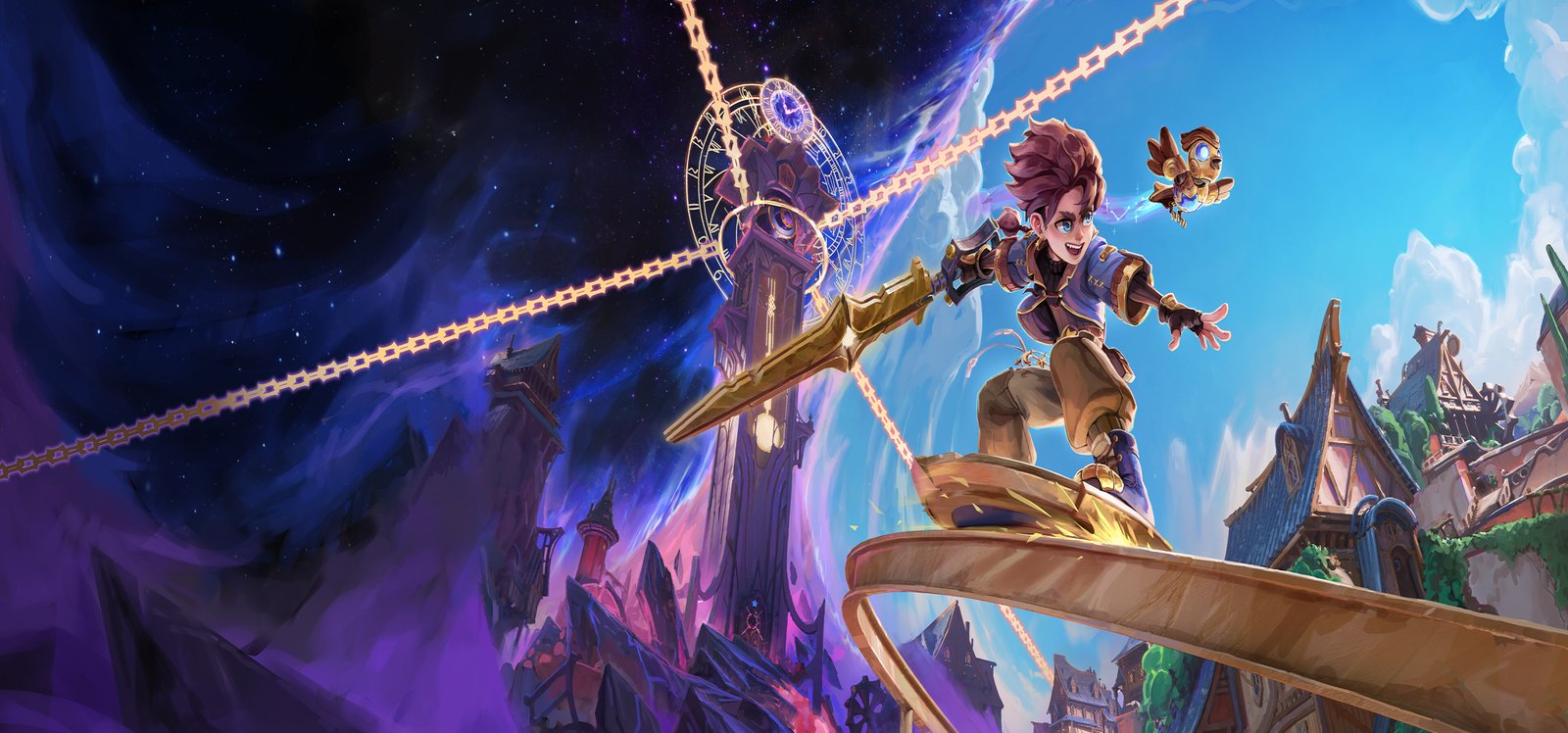
The PlayStation 2 era produced some of gaming’s most beloved 3D platformers — Jak and Daxter, Ratchet and Clank, Kingdom Hearts — and for years, the genre has been starving for a worthy successor. Duskfade from developer Weird Beluga arrives with the explicit ambition of filling that void, and for the most part, it sticks the landing. This is a game that understands exactly what made those classics work and doesn’t try to reinvent the wheel — it just polishes it until it gleams.
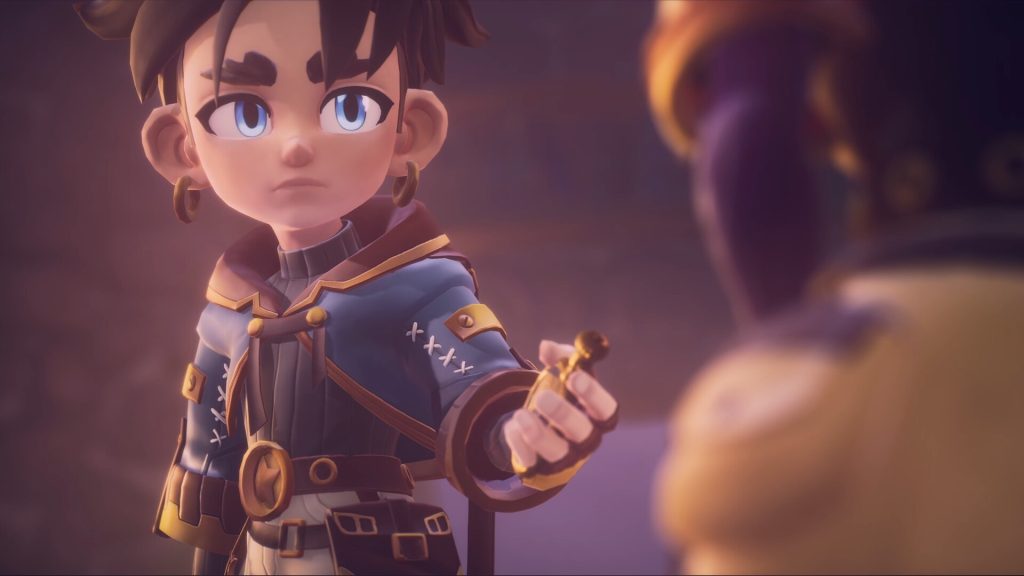
Released on August 13, 2026, Duskfade puts you in the boots of Zirian, a young protagonist on a quest to rescue his sister from an ancient Clock Tower that has plunged the world into eternal night. It’s a familiar premise executed with genuine warmth, backed by tight platforming and a world that practically begs to be explored. If you grew up holding a DualShock 2, this one’s going to hit different.
Game Overview
Duskfade is a 3D action platformer developed by Weird Beluga S.L. and published by Fireshine Games (the trading name of Sold Out Sales and Marketing). Available on Steam, Xbox, PlayStation, and Nintendo Switch 2, it’s priced at €29.99 with a launch discount bringing it to €23.99 — a price point that feels refreshingly honest for a game of this scope.
The core loop is straightforward: traverse beautifully designed biomes, engage in real-time combat against waves of enemies, collect upgrade materials and hidden items, and tackle boss encounters that punctuate each region’s progression. It’s a structure ripped straight from the PS2 playbook, and Weird Beluga clearly studied those games closely — not just their mechanics, but their feel. The double jump is available from the start. The movement is fluid. The world is wide open and full of secrets. This is a game that trusts its players to figure things out, and it’s better for it.
World, Story, or Central Premise
The land of Duskfade has been struck by an unnatural eclipse — a massive Clock Tower has materialized and frozen time across the world. Zirian’s sister has been taken, and it falls to him, accompanied by a mechanical Cuckoo companion, to unlink the Tower and restore the flow of time. The story unfolds through a series of visits to distinct biomes, each tied to one of the Master Clockmakers — ancient figures whose legacy Zirian is destined to confront.
It’s not a narrative that breaks new ground, but it doesn’t need to. The writing leans into the fairy-tale quality that defined the best PS2 adventures, and the world-building is genuinely engaging. Each biome — volcanic villages, sunlit dunes, ethereal forests, underwater realms — has its own personality, its own color palette, and its own secrets tucked into every corner. The game respects your curiosity with a steady stream of collectibles and optional content that rewards exploration without making it feel mandatory.
Gameplay and Combat
Platforming is where Duskfade shines brightest. Weird Beluga made the smart decision to give Zirian his full moveset from the beginning — double jump, dive, grapple, and glide are all available immediately. This means every biome is explorable the moment you arrive, and the level design takes full advantage of it. Paths branch, ledges call to you from across chasms, and verticality is used with confidence. It feels like playing a Jak and Daxter game that respects your time and intelligence.
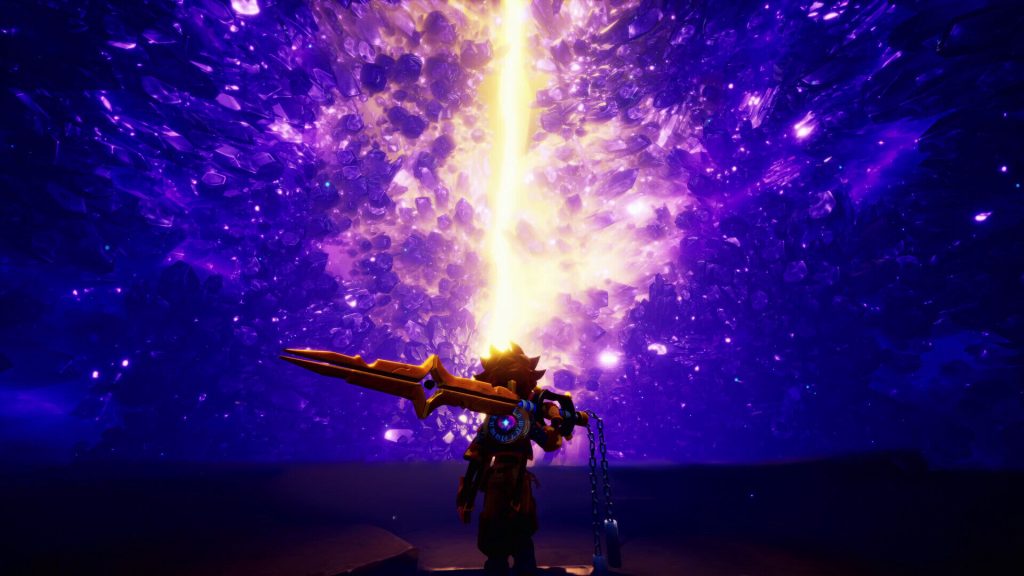
Combat, on the other hand, is where the cracks start to show. Zirian’s sword — the clockwork blade Minutero inherited from his grandfather — is functional but sluggish. Every swing commits to an animation, and the dodge windup feels a beat too long. In a genre where combat exists to complement movement rather than interrupt it, Duskfade’s encounters can feel like they’re working against the game’s own momentum. You often end up kiting enemies with Zirian’s run speed rather than engaging head-on, which is a shame because the enemy designs themselves are creative and varied.
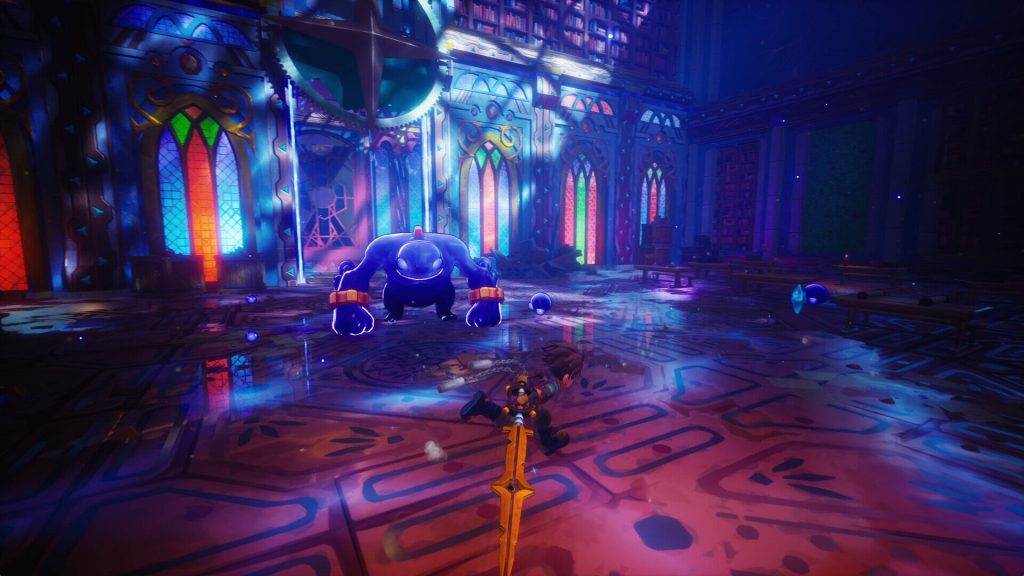
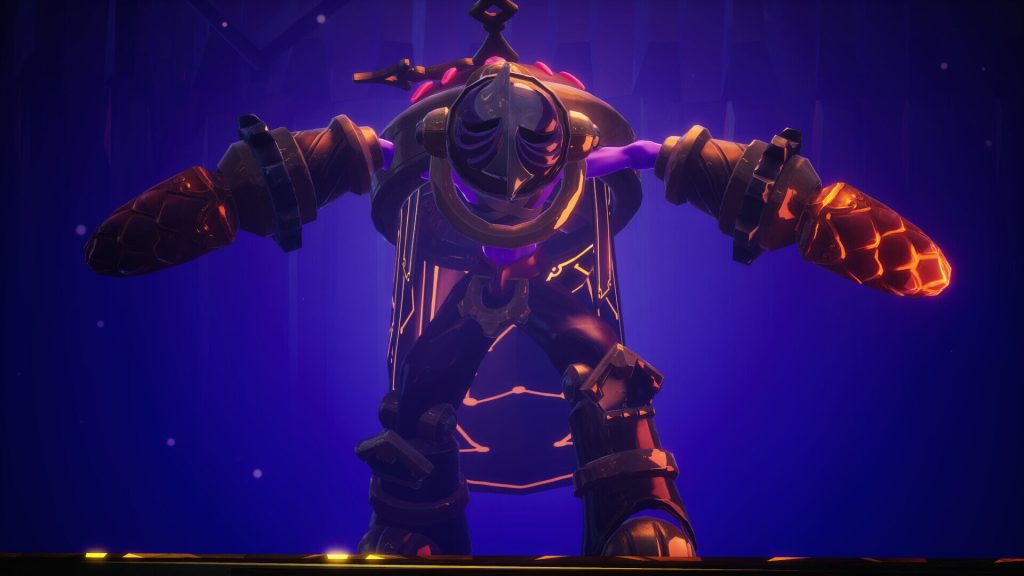
That said, the combat is far from broken. It’s serviceable and occasionally satisfying, especially when you’ve upgraded enough to feel the difference. The elemental enemy types add a layer of strategy, and the boss encounters — each one visually distinct and mechanically unique — elevate the combat encounters beyond their individual parts. The Cathedral boss in particular, a towering brute in a stained-glass arena, delivers a memorable fight that demands both platforming finesse and combat awareness.
Progression and Replayability
Duskfade’s progression follows a familiar template: defeat bosses to unlock new areas, collect upgrade materials to enhance Zirian’s abilities, and uncover hidden collectibles for cosmetics and extra content. The upgrade system is simple but effective — spending gathered resources at rest points to boost health, attack, or unlock new combat options keeps the loop satisfying without overwhelming you with skill trees.
The collectible structure is generous. Every biome hides optional items — music tracks, costume pieces, and small collectibles tied to mini-games that range from charming to skippable. It’s the kind of content that doesn’t gate the main experience but rewards thorough players with genuine extras. The total playtime for a focused run sits around 10-15 hours, with completionists looking at closer to 20. For a game at this price point, that’s solid value.
Replayability comes from the desire to revisit biomes with new abilities and find secrets you missed the first time. It’s not the kind of game that demands multiple playthroughs, but it’s the kind that invites them — which is arguably more important for a title in this genre.
Visuals, Audio, and Atmosphere
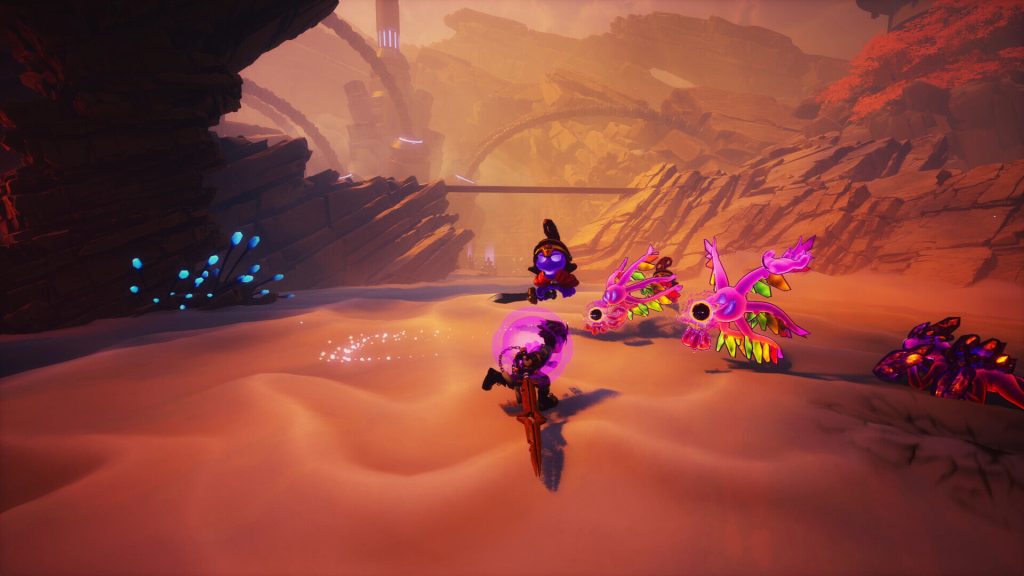
Duskfade is a gorgeous game. Weird Beluga has crafted a world that balances the vibrant color palettes of the best PS2 platformers with modern lighting and environmental design. Each biome has its own distinct identity — the volcanic village at the base of a mountain, with its warm glow and cascading waterfalls; the sunlit dunes that shimmer with heat haze; the ethereal forests where light filters through canopies in ways that genuinely take your breath away. It’s the kind of art direction that makes you stop playing just to look around.
The soundtrack deserves special mention. Composed with a clear understanding of what made PS2-era platformer music memorable, the score blends orchestral warmth with whimsical motifs that perfectly complement the game’s tone. Boss themes in particular are standout — dramatic without being overwrought, catchy without being repetitive. The overall audio design supports the atmosphere beautifully, from the satisfying crunch of a well-timed attack to the ambient sounds that bring each biome to life.
Performance and Technical Problems
On capable hardware, Duskfade runs well. Players with mid-range setups — think GTX 1660 or RX 580 — report smooth 1080p performance at high settings, and those with RTX 2060 or better can push 4K at 60fps on Epic settings without significant drops. The engine handles the game’s lush environments competently, with minimal pop-in and stable frame rates during combat.
However, the PC port has drawn criticism for its bare-bones graphics settings. Cutscenes are locked to 30fps, there’s no option to disable the yellow paint guidance system (a frustrating visual hand-holding mechanic), and the upscaling options are vague — “Native, Balanced, or Performance” without explaining what technology is being used. The lack of accessibility and graphics customization options feels like a missed opportunity, especially for a game that otherwise nails its presentation.
A handful of minor bugs have been reported — occasional geometry clipping and the odd soft-lock that resolves with a restart — but nothing game-breaking. For an indie release at this price, the technical state is acceptable, if not ideal.
Pros and Cons
Pros:
- Tight, responsive platforming that captures the spirit of PS2 classics
- Beautifully designed biomes with genuine variety and rewarding exploration
- Outstanding soundtrack that enhances every moment
- Boss encounters that are visually striking and mechanically distinct
- Honest pricing with a generous 20% launch discount
- Full moveset available from the start — no artificial ability gates for core traversal
Cons:
- Combat feels sluggish compared to the fluid platforming
- PC port lacks meaningful graphics and accessibility settings
- Yellow paint guidance cannot be disabled
- Cutscenes locked to 30fps
- Zirian’s protagonist characterization is more bland than charming
SteamGamer Verdict
Duskfade is the rare nostalgic throwback that earns its reverence rather than coasting on it. Weird Beluga has delivered a 3D platformer that captures the magic of the PS2 era while standing confidently on its own — and at €23.99 with the launch discount, it’s one of the better values in recent memory. The combat could use more polish, the PC port needs attention, and Zirian himself could use a bit more personality, but none of these issues dim the overall experience. This is a game made with genuine love for its inspirations, and it shows in every pixel, every melody, and every carefully placed collectible. If you’ve been waiting for a modern 3D platformer that understands what made the classics great, your wait is over.
Score: 8/10

Jordan Hayes covers PC gaming news, hardware, and the ever-changing Steam ecosystem for SteamGamer.net. He believes some of gaming’s biggest stories are hiding in patch notes, performance charts, and suspiciously quiet price changes. When he isn’t investigating what developers or GPU manufacturers are doing, he is probably starting another roguelike run he insists will be his last.

Comment here