
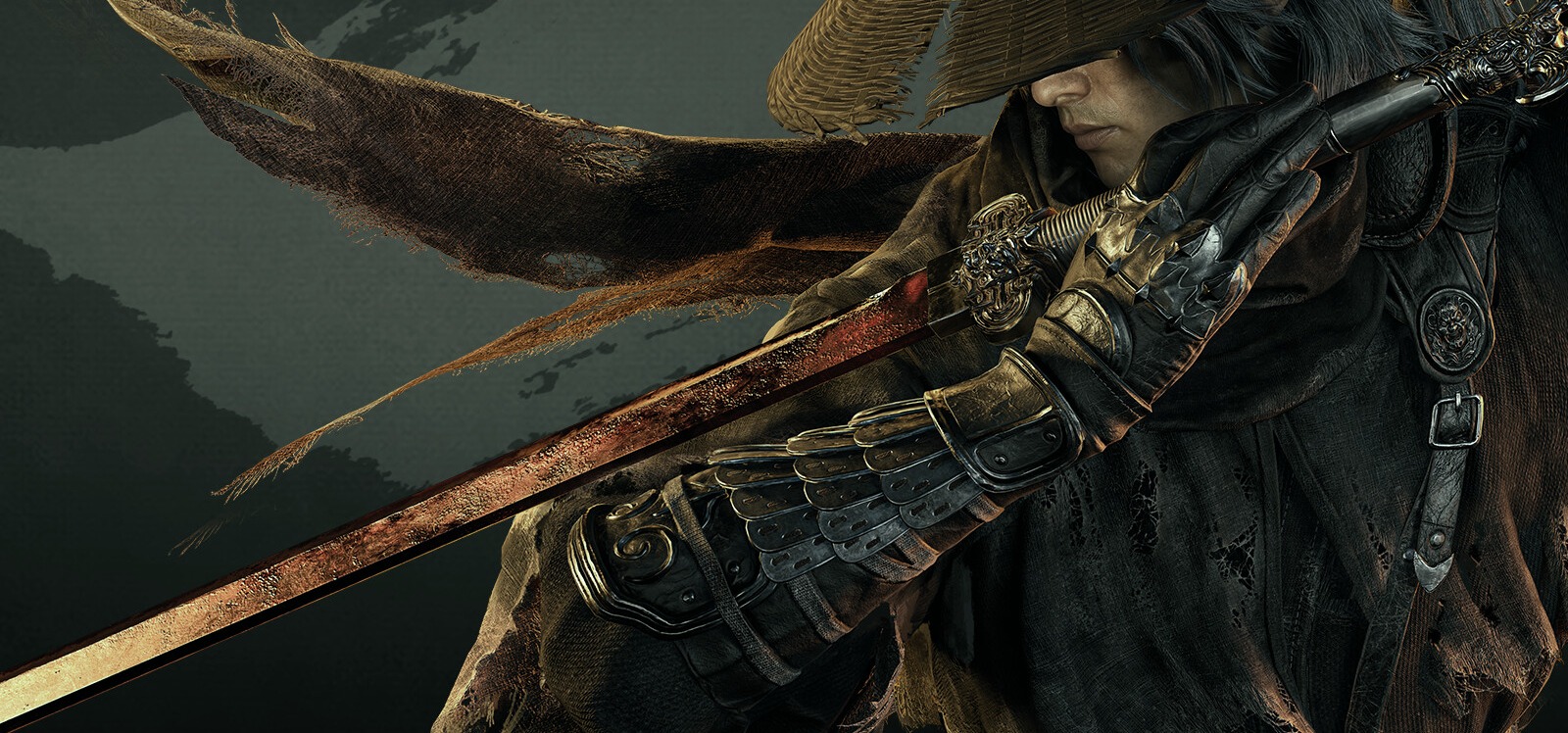
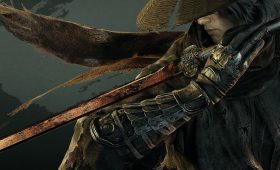
S-GAME’s Phantom Blade Zero has been building a strange kind of pressure since its first reveal — the suspicion that a game this lavish in motion must be all trailer, no teeth. It launched on Steam on October 28, 2026 at $59.99 USD, and the first thing worth saying in plain terms is that the trailer was honest. This is a wuxia action game about Soul, a warrior with sixty-six days left to live, and it plays like a martial arts film that actually hands you the choreography.
Fighting words: a combat system with its own grammar
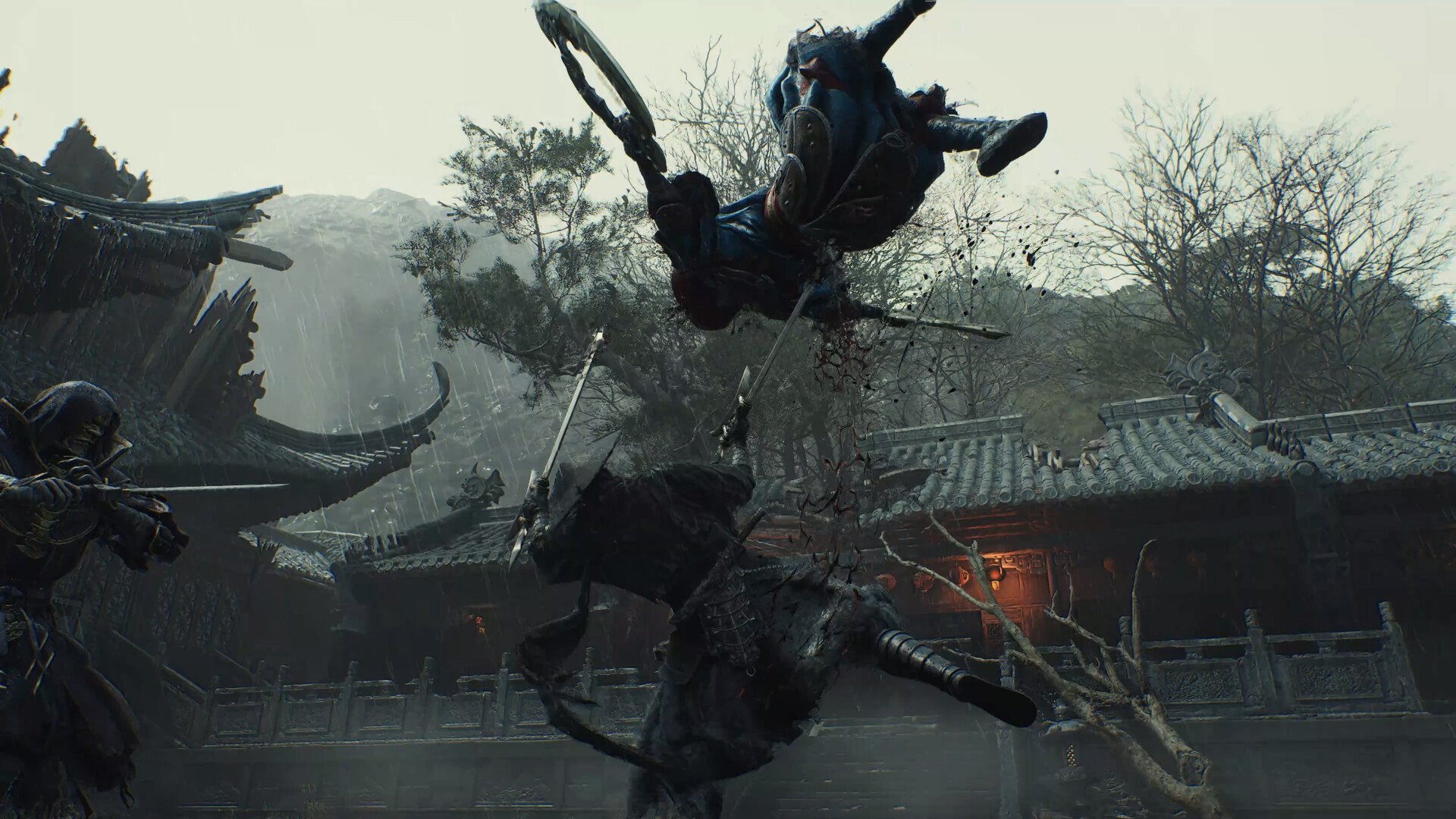
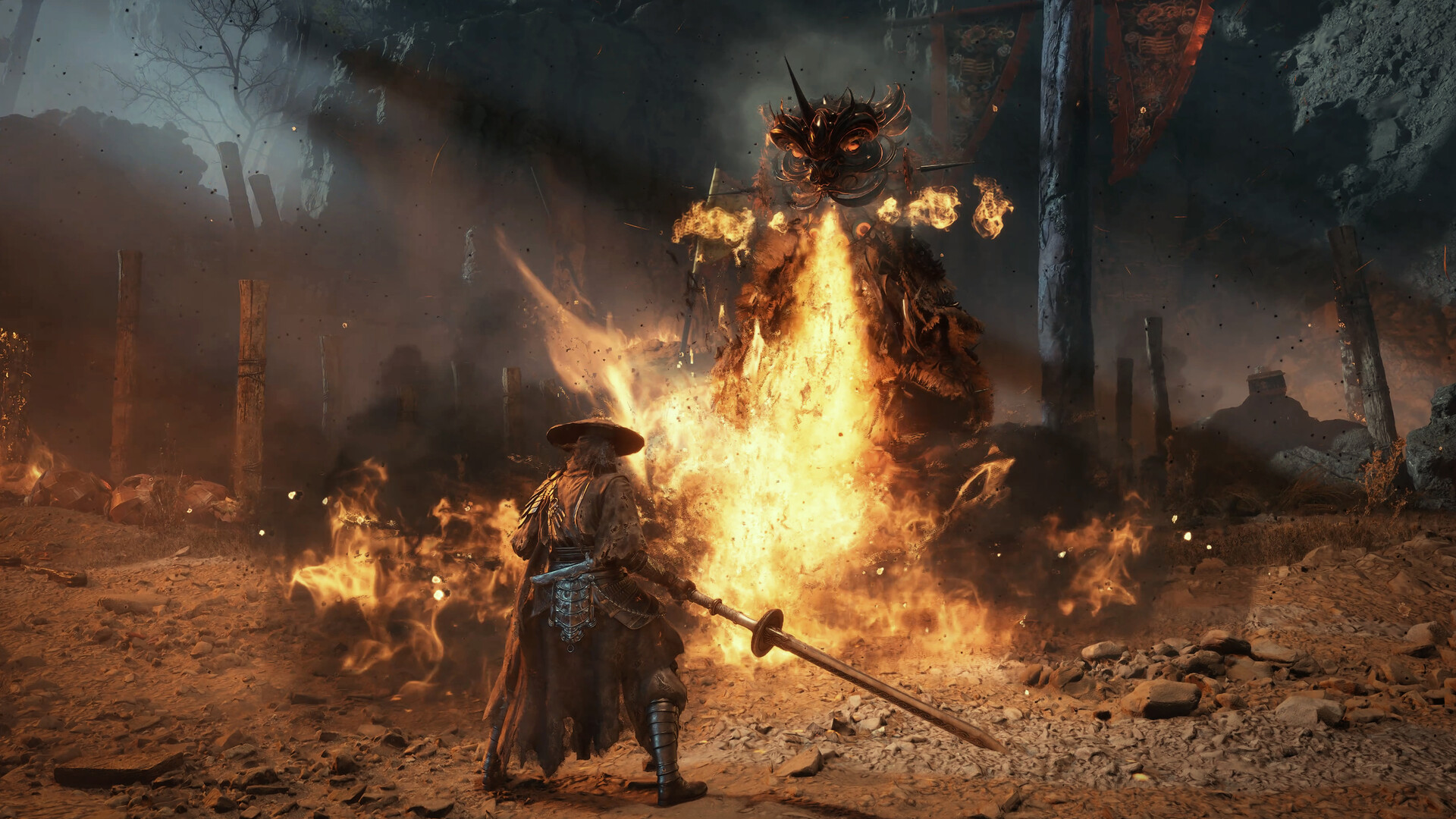
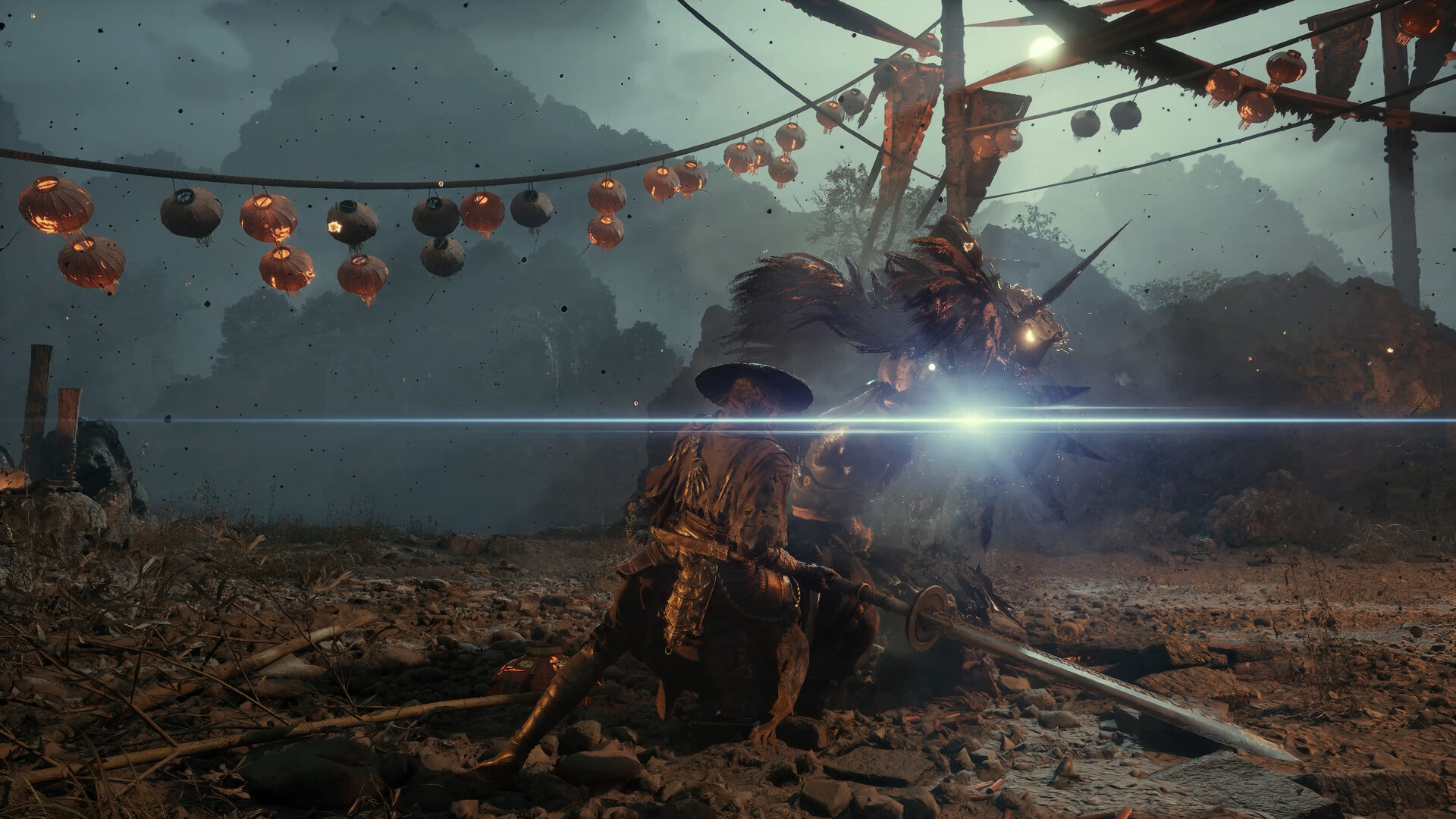
The moment-to-moment combat is the star of the show, and it earns that billing. Parries and dodges act as universal cancels, which means every attack you commit to is genuinely safe to throw out — and yet defense is where the game lives. Bosses spiral into attack chains bordering on the ludicrous, plenty of tougher enemies run near-constant hyperarmor, and the practical loop becomes perfect parries plus one or two light attacks in slivers of openings while you chip away at posture. It is demanding in a way that has almost nothing to do with the Souls template this game is constantly, and incorrectly, compared to.
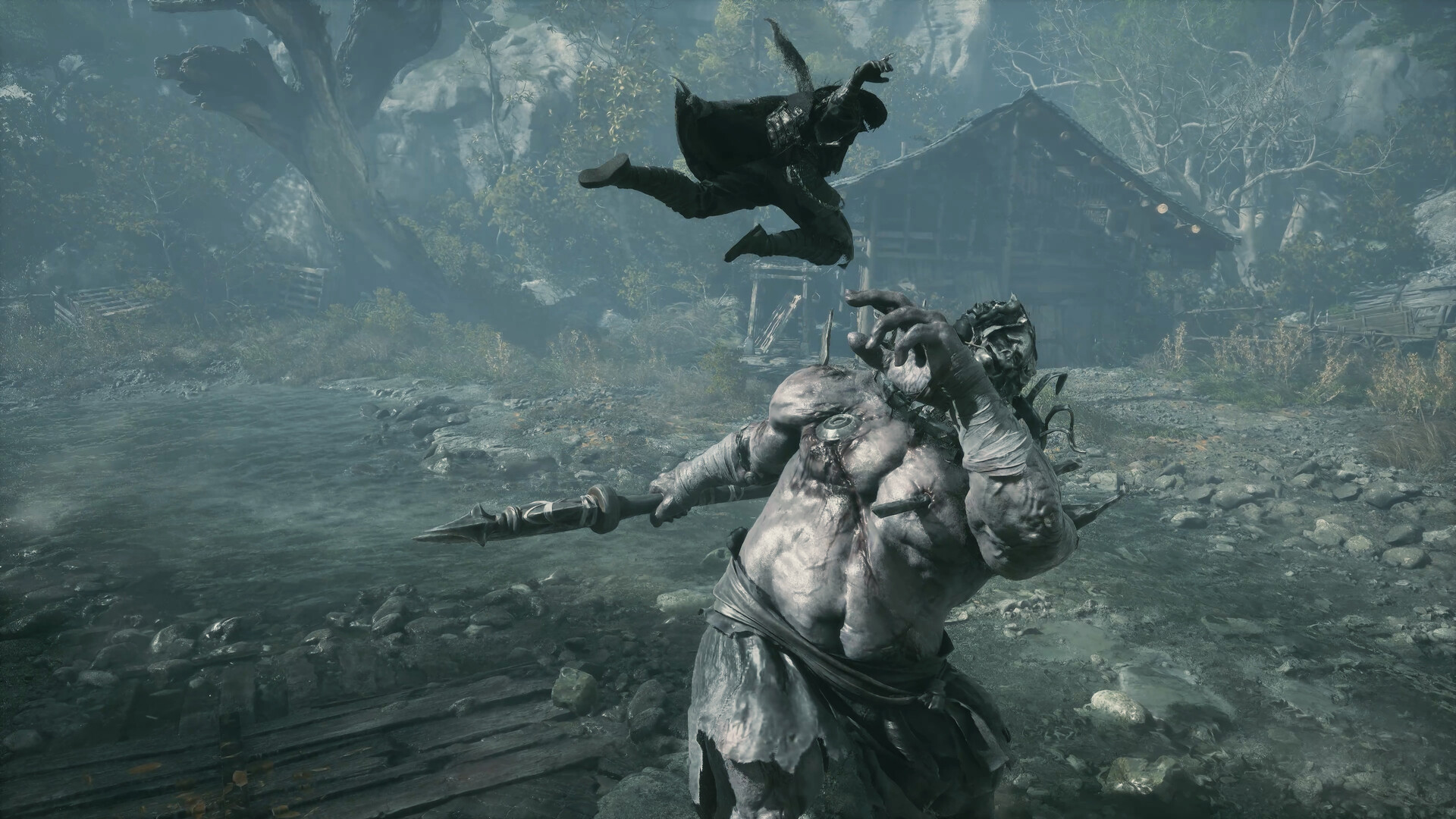
Where the depth really comes from is the arsenal. Weapons carry their own mechanics that unravel as you upgrade them, upgrades can be reset and reinvested if a particular tool stops clicking, and the variety keeps the back half of the game from calcifying into one optimal combo. The fights look choreographed — unique parry animations on certain boss attacks, follow-through that sells every hit — and once the patterns live in your fingers the back-and-forth is genuinely thrilling to execute and to watch.
There is a real counter-argument in the community, though, and it deserves to be repeated rather than buried. A vocal minority of players bounces off the presentation itself: one-button animations that unleash twenty flashy moves, auto-parries snapping into counters, the sense that the game is putting on a show and you are holding the controller but not conducting. Whether that criticism lands depends a lot on what you want from action games. On the game’s own terms the inputs are responsive and the frame data honest; judged as a pure expression game it can feel, to some players, like an elaborate performance happening next to your thumb. Two hours was enough for some people to decide they hated it — and enough for dozens of players logging twenty, thirty and sixty-plus hours to call it a masterpiece.
Bosses, pacing and the shape of the journey
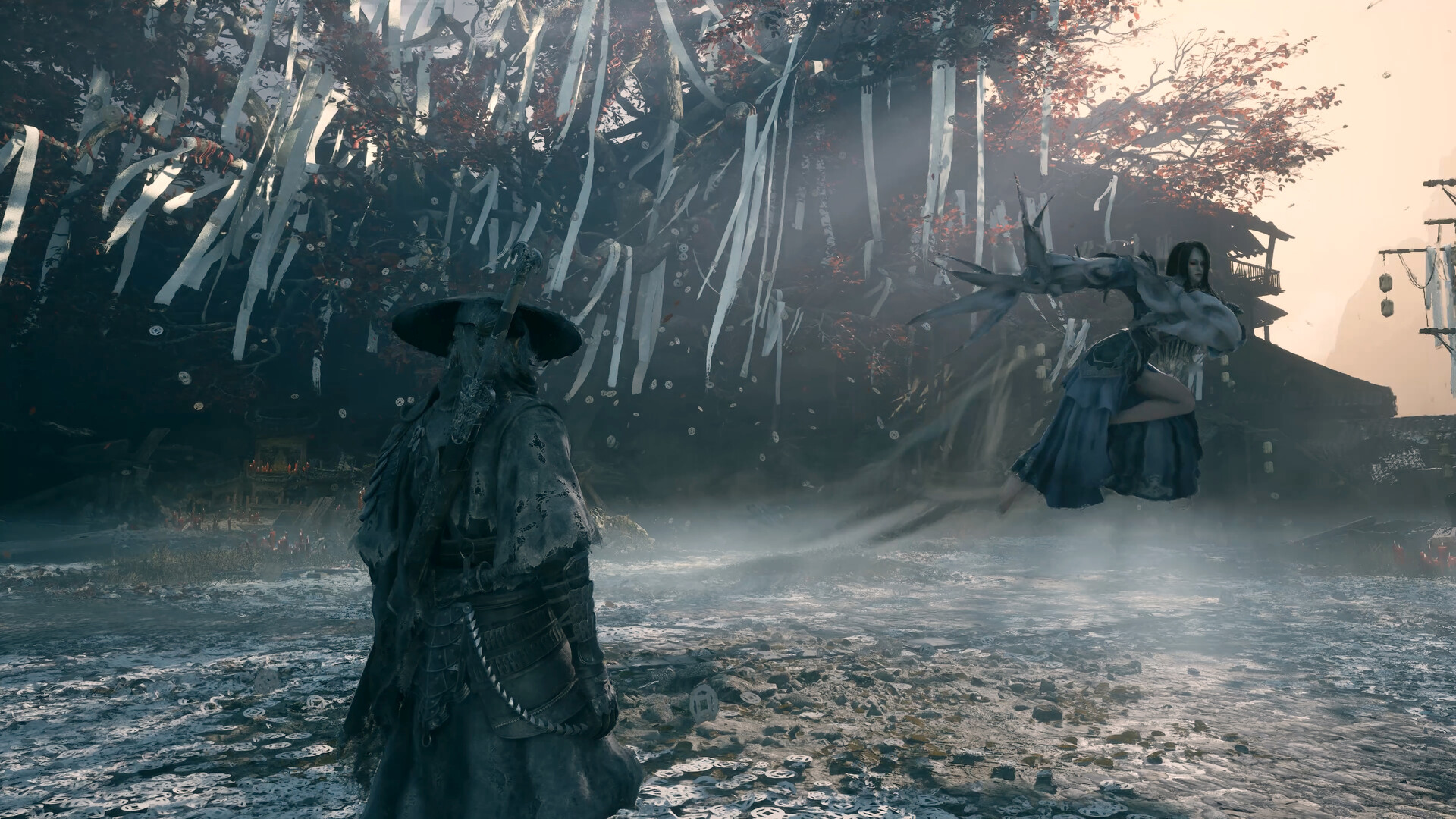
The boss roster is the other half of the pitch, and it delivers. Fights are distinct from one another, spectacle is doled out generously, and the game clearly wants you to keep playing rather than punish you for existing. Enemies do not respawn. There are no long runbacks. Areas you clear stay cleared, weapon investment is flexible, and the structure is linear with ability-gated backtracking that quietly respects your time. For players raised on runback-heavy games this is heresy; for everyone else it is the reason a forty-hour action game feels like thirty.
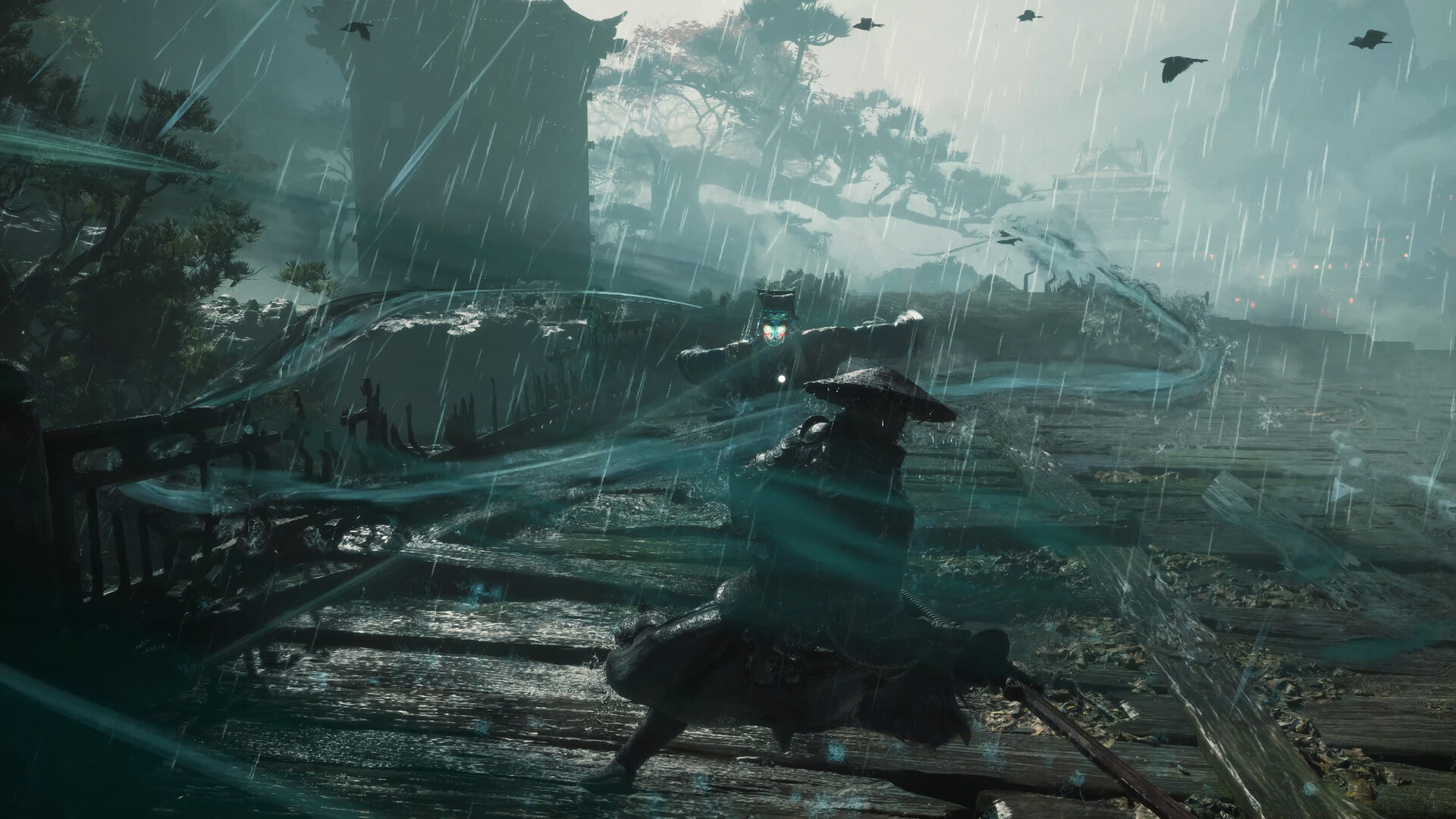
The level design underneath that structure is more modest than the combat deserves. Routes have some verticality and thought, but the environments rarely surprise you with an unexpected connection or a breathtaking vista opening up — most of what makes them impressive is art direction rather than layout. And the difficulty ceiling is real: on the highest settings bosses become posture-break puzzles where a whiffed parry costs you dearly, and some moves arrive with effectively zero startup, so the first pass on any boss is pure pattern acquisition.
When the steel meets the shader cache
The PC version is where Phantom Blade Zero’s polish visibly cracks, and no review of this game should tiptoe around it. First boot eats a lengthy shader compilation — one of the top-voted Steam reviews calmly notes a twenty-five-minute wait, and that is not an outlier. More seriously, frame generation is broken in ways that actively degrade the image, ray tracing and path tracing tank performance hard enough to be unusable for many rigs, and players across the hardware spectrum report stuttering on entering new areas or during heavy combat.
The worst stories come from AMD users: white squares blanketing the sky, hair clipping through faces in cutscenes, a hard crash that took one player’s whole system down and left the world invisible on relaunch. Cutscenes misbehave across configurations — black screens with audio still playing, skill tutorials rendered in a slideshow, whole scenes failing to play. None of this touches the combat design, and workarounds like borderless fullscreen, FSR on quality, frame gen off and a sensible FPS cap demonstrably help. But at $59.99 USD a game should not ship its first impression as a settings-screen puzzle.
A story you feel more than follow
Phantom Blade Zero is, unmistakably, a wuxia game — superhuman martial arts, wire-fu choreography, power and philosophy discussed in fragments, and a narrative revealed in pieces that resists being told straight. The sixty-six-days-to-live premise is a good hook, and the mystery around each boss does real work. But the writing is the softest element of the package. Flashbacks arrive out of order, the English-facing experience of the dialogue reads closer to pulp web fiction than considered drama, and the score — serviceable, loop-driven — never reaches the heights the art direction clears easily.
If you grew up inside wuxia’s conventions, this is the real article, delivered with rare craft. If you came for a character-action game in the Devil May Cry mold or a soulslike with a Chinese skin, you will be confused and possibly furious. It is neither. It is its own beast, and it asks to be met on its own terms.
The verdict
What Phantom Blade Zero gets right is not a small thing. It is the feeling at the center of the genre: that you, not the cutscene engine, are responsible for the choreography unfolding on screen. The parry-cancel backbone, the weapon-driven depth, the boss design and the anti-tedium structure decisions are all confident and mostly successful. This is one of the most mechanically assured action games of the year, and the player base — tens of thousands of recommendations in its first week — reflects exactly that.
It is also a game that hands new players a broken frame-gen toggle, an unskippable shader ritual and a PC build that can fall apart on AMD hardware, wrapped in a story that never quite explains itself in any language. Those are not dealbreakers for the combat-obsessed. They are, however, the difference between a masterpiece and what this actually is.
SteamGamer Score: 8.5/10 — A superbly animated, deep and demanding wuxia action game whose PC performance and storytelling friction keep it just short of the top tier. Buy it for the combat; forgive it the rest — or wait for the hotfix, but not too long.

Lena Nakamura begins every review with one question: what is this game doing that nobody else would attempt? She covers roguelikes, narrative experiments, striking art direction, and games willing to risk failure in pursuit of something original. Familiar ideas do not bother her, but safe execution does. If a game is beautiful, strange, and slightly impossible to explain, Lena is already interested.





Comment here