
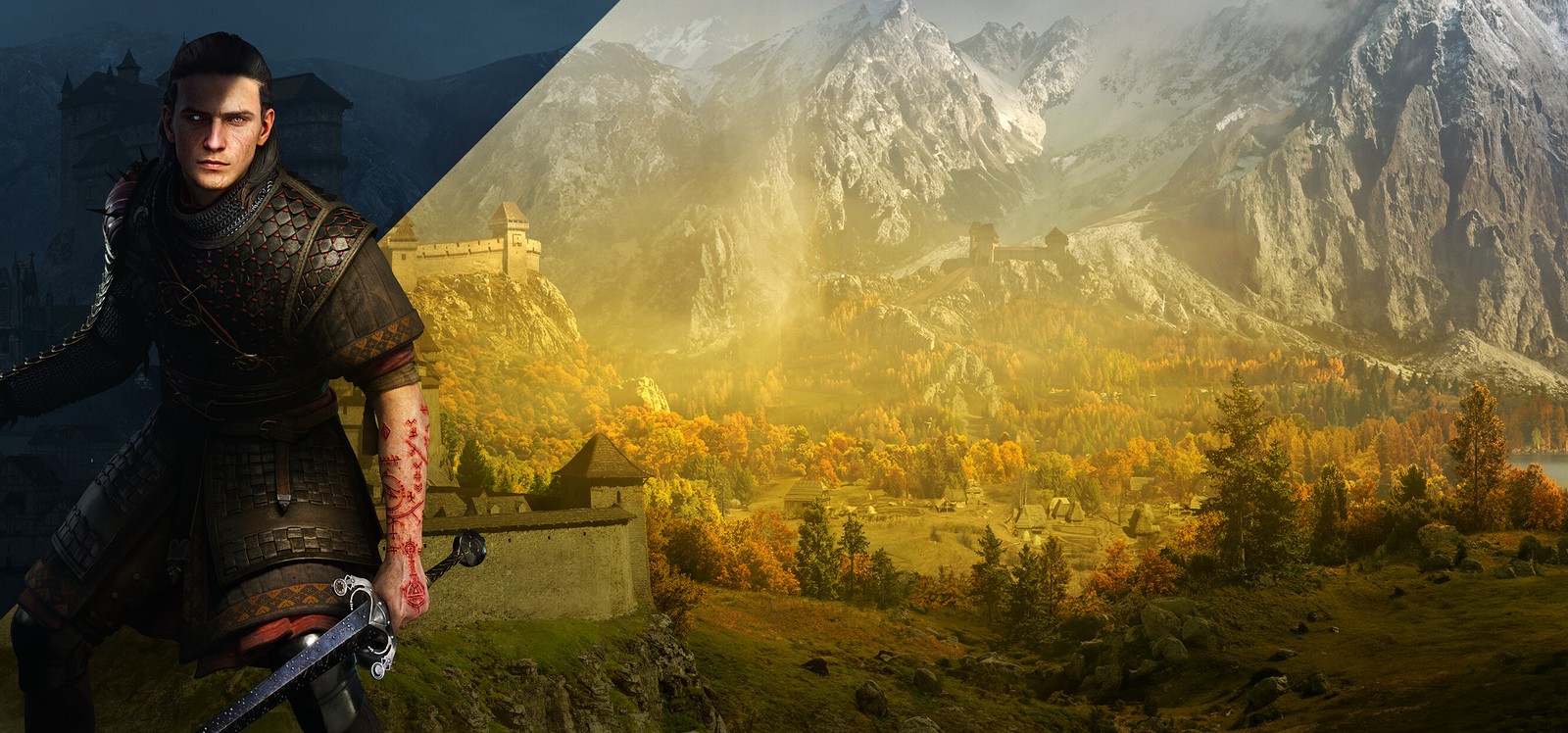
There’s a moment early in The Blood of Dawnwalker where you realize this isn’t going to play by the rules you expected. You’re Coen, a young man freshly turned into a vampire, standing in a 14th-century European village that’s teetering between plague and supernatural occupation. You have 30 days. Not 30 days of real time — 30 in-game days, each one ticking forward as you take on quests, make allies, and decide who lives and who dies. The clock doesn’t stop. It never stops. And that single design choice colors everything about the experience that follows.
Rebel Wolves, a studio founded by former CD Projekt Red veterans who cut their teeth on The Witcher series, has been quietly building toward this moment since the studio’s inception. Published by Bandai Namco Entertainment, The Blood of Dawnwalker is their debut — and it arrives with the ambition of a team that wants to prove it can stand alongside the very games its founders helped create. The question is whether ambition alone is enough.
Game Overview
The Blood of Dawnwalker is an action RPG set in a dark, plague-ravaged version of 14th-century Europe where vampires have emerged from the shadows to seize power. You play as Coen, a Dawnwalker — a vampire bound to serve a sire — who has 30 days to save his family before the time runs out. It’s single-player, controller-supported (though keyboard and mouse works fine), and carries a $69.99 USD price tag on Steam.
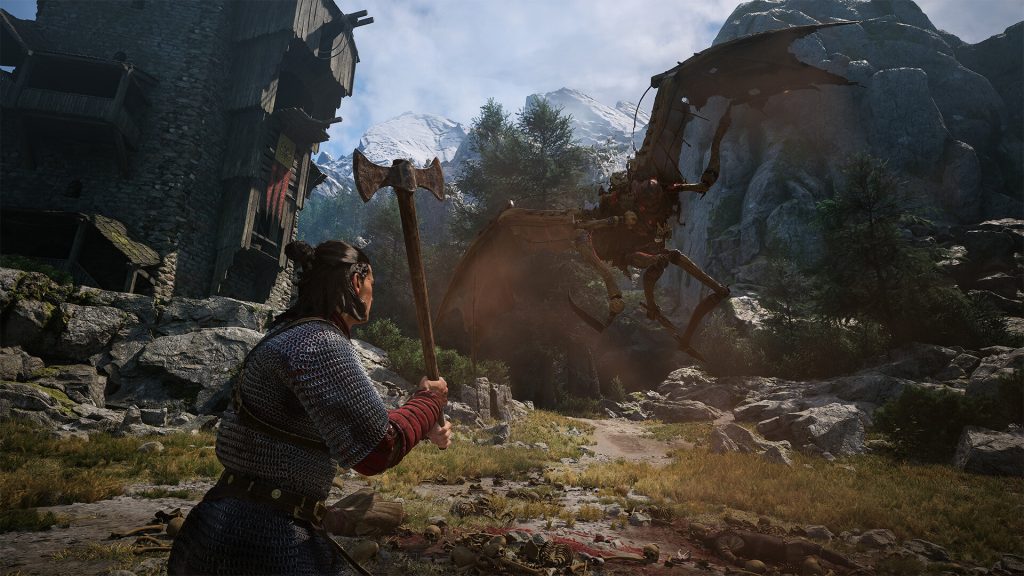
The game blends melee combat, magic, and supernatural vampire abilities across a hand-crafted open world. Day and night cycles aren’t just cosmetic — they fundamentally change how you play, shifting Coen between human and vampire forms with distinct movesets and weaknesses. It’s a system that sounds elegant on paper and mostly delivers in practice, even if the execution occasionally stumbles.
World, Story, or Central Premise
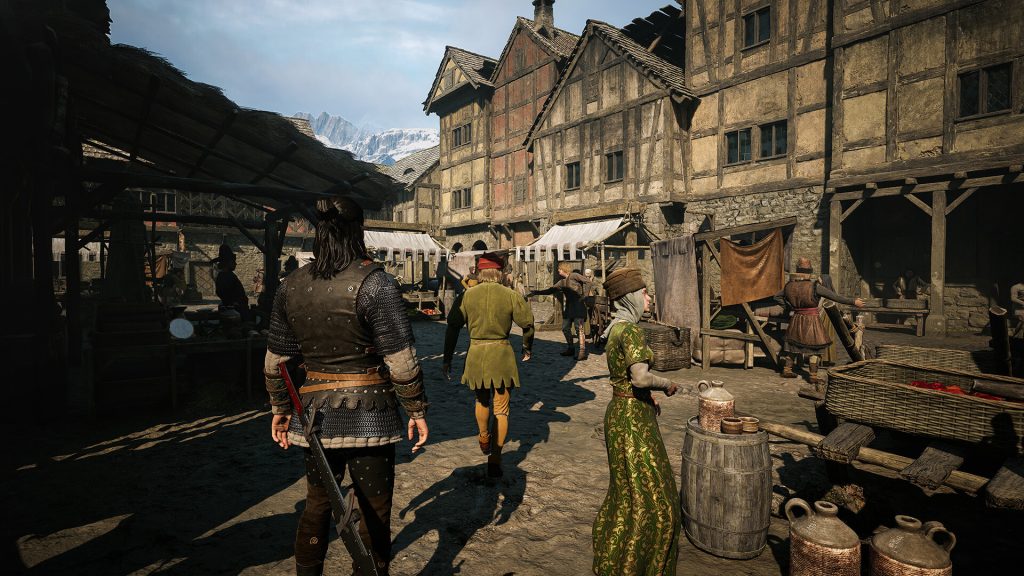
The setting is where The Blood of Dawnwalker most immediately distinguishes itself. This isn’t a generic fantasy world dressed up in medieval clothing — it’s a specific, grounded historical moment twisted by supernatural horror. The Black Death ravages the land while vampires exploit the chaos, emerging from centuries of hiding to claim territory and dominion. Towns feel lived-in and desperate, with NPCs huddled in plague wards and guards patrolling streets that reek of dread.
Coen’s personal story — a man cursed to serve a vampire sire, racing against a 30-day deadline to save his family — gives the narrative genuine urgency. Every quest you take on, every alliance you forge, every detour you pursue costs you time. The world doesn’t wait for you to explore every ruin or help every villager. Your family’s days are numbered, and that tension never lets up. It’s a design that forces meaningful choices in a way that few RPGs manage, and it works.
Gameplay and Combat
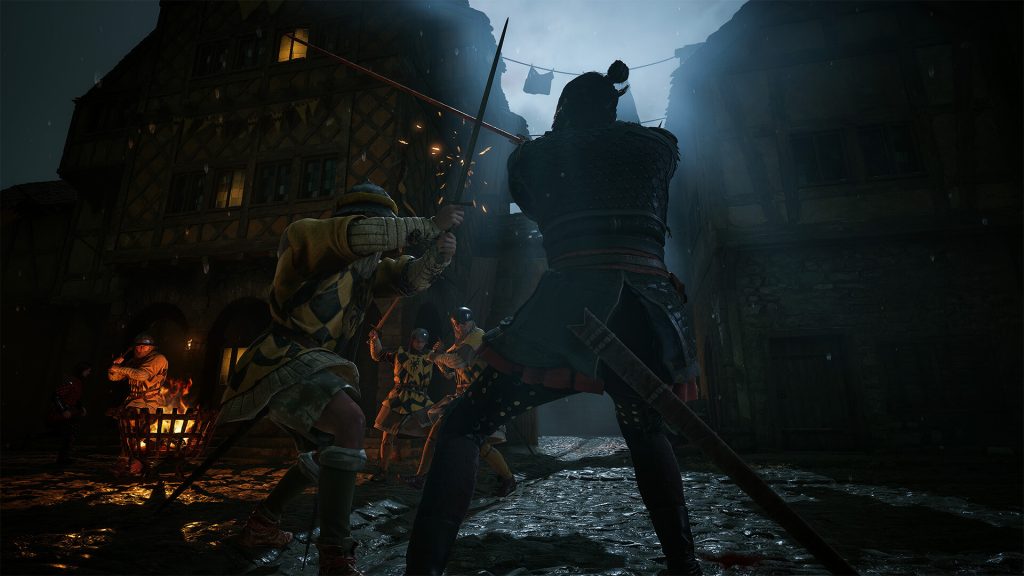
Combat in The Blood of Dawnwalker is a mixed bag that improves as you invest time into it. Early encounters feel sluggish — enemies barely flinch when you hit them, and the invisible battle boundaries can trap you when you’re trying to retreat from an overwhelming fight. There’s a deliberate weight to Coen’s movements that takes getting used to, and players expecting the snappy responsiveness of The Witcher 3’s later patches will need to recalibrate their expectations.
Where the combat finds its groove is in the dual-form system. As a human, Coen wields swords and magic with a more grounded, tactical feel. As a vampire, he becomes a gravity-defying predator — leaping across rooftops, slamming enemies with supernatural force, and exploiting weaknesses that human fighters can’t touch. The transformation between forms isn’t just a power-up; it’s a fundamental shift in how you approach every encounter. Mastering when to shift and when to stay grounded is the core skill the game asks you to develop.
The 30-day time mechanic adds another layer to combat decisions. Every fight costs time, and some encounters are optional — meaning you can choose to avoid a tough battle and spend those hours on something else. It’s a system that rewards strategic thinking over brute force, and it makes even minor skirmishes feel consequential.
Progression and Replayability
The skill tree offers enough variety to support multiple playthroughs, with distinct branches for human combat, vampire abilities, and hybrid approaches. The 30-day structure naturally limits what you can accomplish in a single run, which means there’s always a nagging sense of missed opportunities — quests you didn’t take, allies you didn’t help, secrets you didn’t uncover. That’s by design, and it’s effective.
New Game Plus isn’t available at launch, which is a notable omission for a game built around replayability. However, the branching narrative and the sheer number of choices you make mean that two playthroughs can feel dramatically different. The game tracks your decisions and reflects them in the world state, so there’s genuine reason to go back and try different approaches.
Visuals, Audio, and Atmosphere
The Blood of Dawnwalker is a gorgeous game when it decides to be. The open world is dense with detail — crumbling villages, fog-shrouded forests, gothic cathedrals looming over plague-ravaged countryside. The art direction leans heavily into the dark medieval aesthetic, and it works beautifully. Lighting and shadow play a crucial role, especially during the day-night transitions when the world shifts between warm sunlight and cold moonlight.
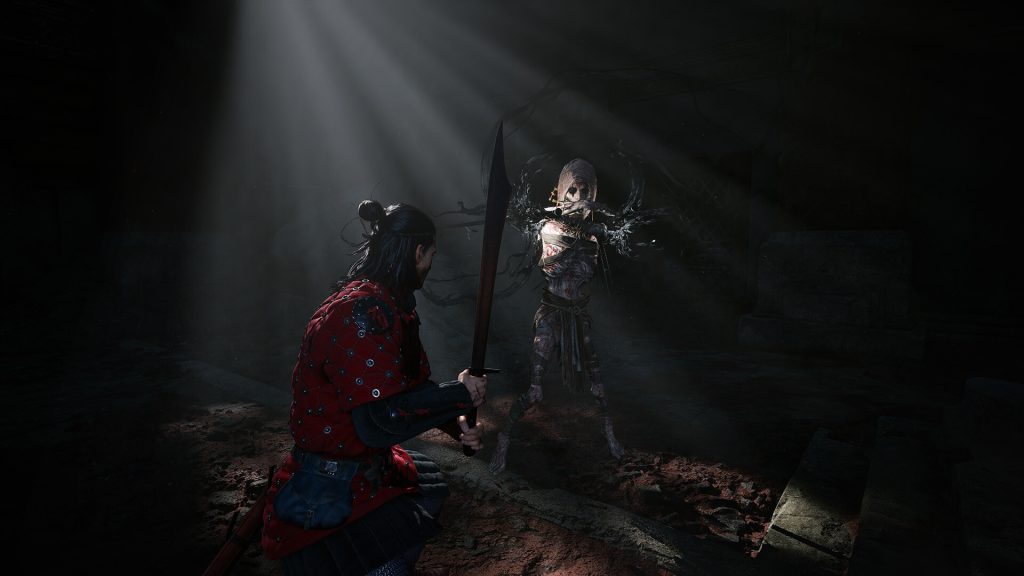
The soundtrack is appropriately atmospheric — somber strings during exploration, thundering percussion during combat, and haunting vocal motifs that underscore the supernatural horror elements. Sound design is equally strong, with the crunch of sword strikes, the whoosh of vampire abilities, and ambient environmental sounds that sell the world’s oppressive dread.
Where the atmosphere sometimes falters is in the cutscenes. The camera work is cinematic but occasionally breaks immersion with awkward angles and inconsistent lighting. Character models are generally good but can look stiff in certain lighting conditions. These are minor complaints in what is otherwise a visually and aurally impressive experience.
Performance and Technical Problems
Performance is the game’s most significant problem at launch, and it’s one that multiple reviewers have flagged. DLSS stability is inconsistent — cutscenes can disable it entirely, and restarting the game to re-enable it sometimes introduces new graphical glitches. Frame rate drops are common in dense areas, and there are reports of the game stuttering during transitions between interior and exterior spaces.
Controller support is present but buggy. Multiple players have reported controls randomly switching between keyboard/mouse and controller mid-gameplay, and characters occasionally stop responding to input during traversal and combat. These aren’t game-breaking issues, but they’re frustrating enough to warrant attention in upcoming patches.
The time mechanic, while innovative, has drawn criticism from players who feel it creates excessive anxiety. Every decision lingers over you, and even assigning skill points can eat into your precious 30-day budget. It’s a bold design choice that won’t work for everyone, and the game doesn’t offer a way to disable or adjust it.
Pros and Cons
Pros:
- Compelling 30-day time mechanic that forces meaningful choices
- Beautiful, atmospheric world with strong art direction
- Dual-form combat system with genuine depth
- Strong narrative with real urgency and consequence
- Excellent sound design and atmospheric soundtrack
- Hand-crafted open world dense with detail and secrets
Cons:
- Performance issues at launch, especially with DLSS
- Combat feels sluggish in early hours before abilities open up
- Controller input bugs and random control switching
- Invisible battle boundaries prevent tactical retreat
- Time mechanic may be too stressful for some players
- No New Game Plus at launch
SteamGamer Verdict
The Blood of Dawnwalker is the kind of game that demands your attention and doesn’t apologize for it. Rebel Wolves has crafted a dark, compelling world with a time mechanic that elevates every quest from optional content to critical decision. The combat takes time to grow on you, and the performance issues at launch are real enough to dampen the experience. But beneath the rough edges lies something genuinely special — a game that respects your time by making every moment of it matter.
For players who love The Witcher’s narrative ambition but want something with more mechanical bite, The Blood of Dawnwalker delivers. It’s rough around the edges, but the core experience is strong enough to carry it through. Give it a patch or two, and this could be something truly exceptional.
SteamGamer Score: 7.5 / 10

Jordan Hayes covers PC gaming news, hardware, and the ever-changing Steam ecosystem for SteamGamer.net. He believes some of gaming’s biggest stories are hiding in patch notes, performance charts, and suspiciously quiet price changes. When he isn’t investigating what developers or GPU manufacturers are doing, he is probably starting another roguelike run he insists will be his last.






Comment here