
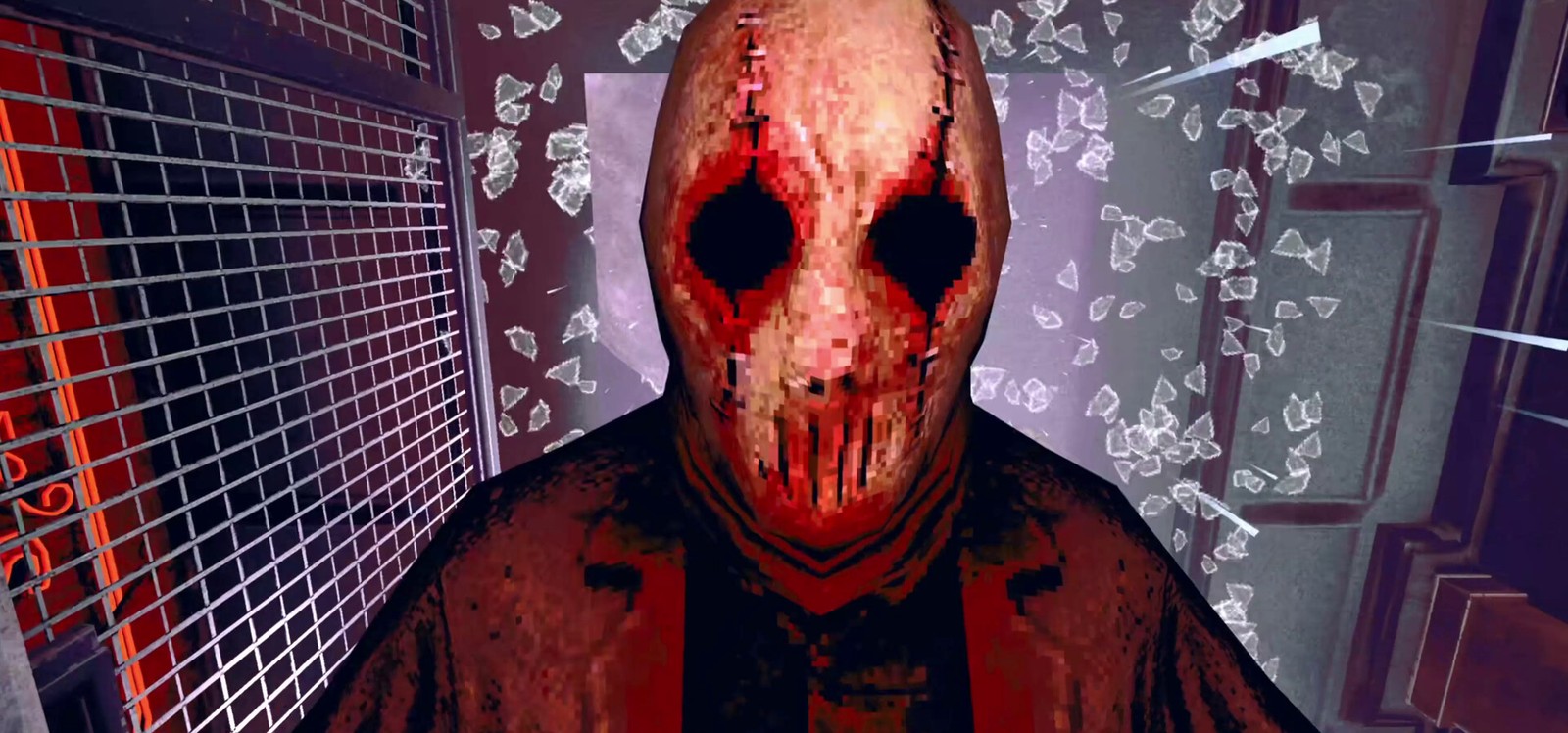
Carrion City doesn’t care about you. The neon flickers over dumpsters full of something that used to be alive, the fluorescent lights in the Wieners Mart hum like a headache you can’t shake, and somewhere out there, a man with a stapler is turning the streets into his own personal art gallery. The Skin Stapler is the kind of game that grabs you by the collar, drags you into its grime-coated world, and doesn’t let go until you’ve seen every last grotesque punchline.
From Tainted Pact Games — the solo developer behind Flesh Made Fear, Massacre at the Mirage, and Suffer the Night — comes a retro-styled PSX grindhouse horror adventure that feels less like a game and more like a VHS tape you found in the back of a Video Nasty rental shop. It’s crude, it’s violent, it’s frequently hilarious, and it’s one of the most unexpectedly entertaining indie horror releases of the year.
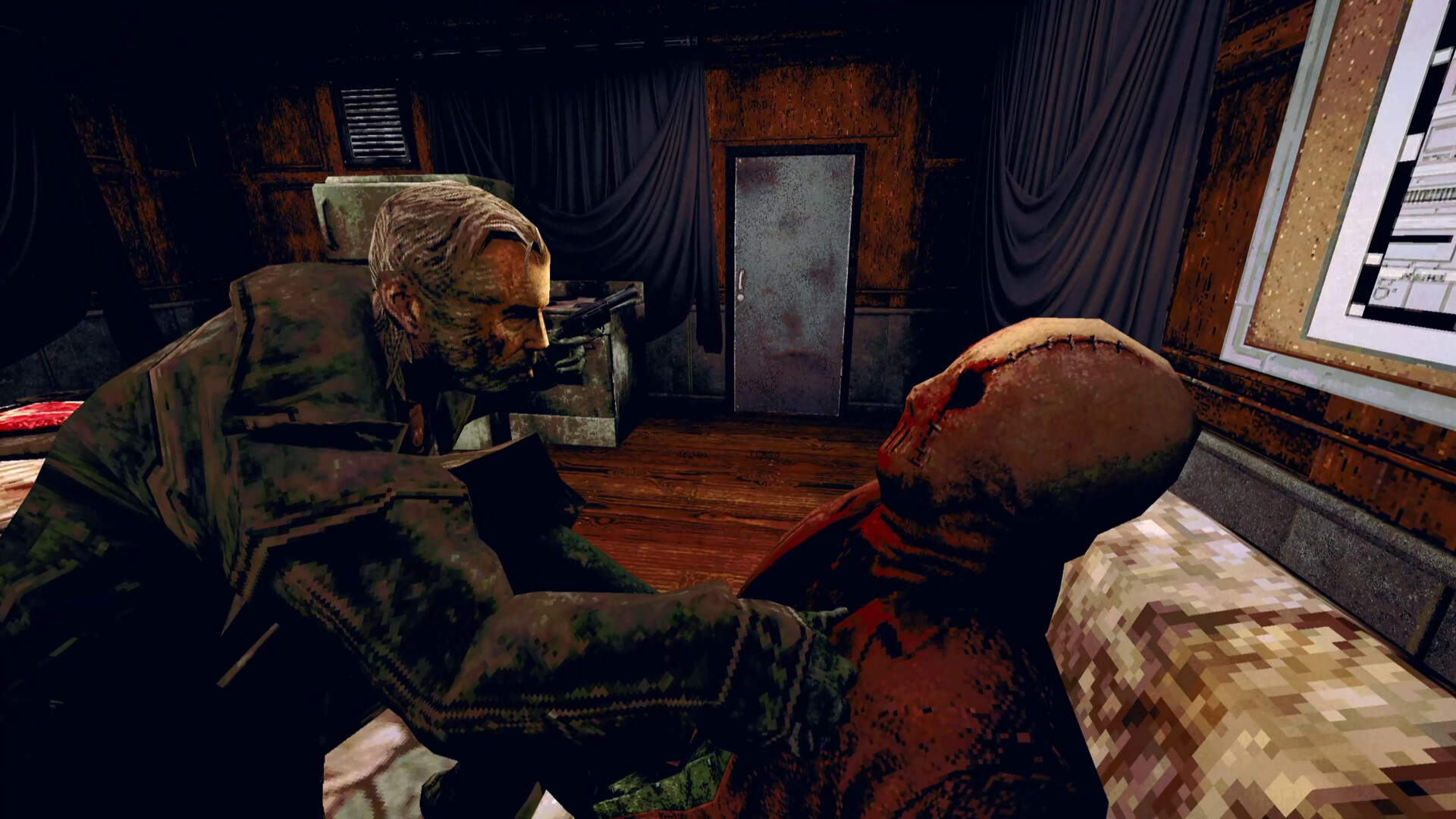
You play as burned-out detective Dick Slater and his eager rookie partner Robbie Knox, hunting a serial killer who skins his victims and staples their flesh to nearby walls. But the investigation is only half the story — as the body count climbs, you’ll slip into the shoes of other characters navigating the city’s rotting underbelly, each one fumbling through their own slice of nightmare before the credits roll.
Game Overview
The Skin Stapler is a short, story-driven horror game — expect around two to three hours for a full playthrough — that blends point-and-click investigation with survival horror and dark comedy. You’ll examine crime scenes, solve puzzles, survive stalked sequences, and piece together a mystery that goes deeper than the surface-level carnage suggests.
The game was released on August 6, 2026, for $14.99 (currently 20% off at $11.99), and is part of the Tiny Teams festival on Steam. It’s a single-player experience with full voice acting across its entire cast, Steam achievements, and a retro PSX aesthetic that deliberately embraces the low-poly, texture-warped look of 1990s PlayStation horror.
World, Story, or Central Premise
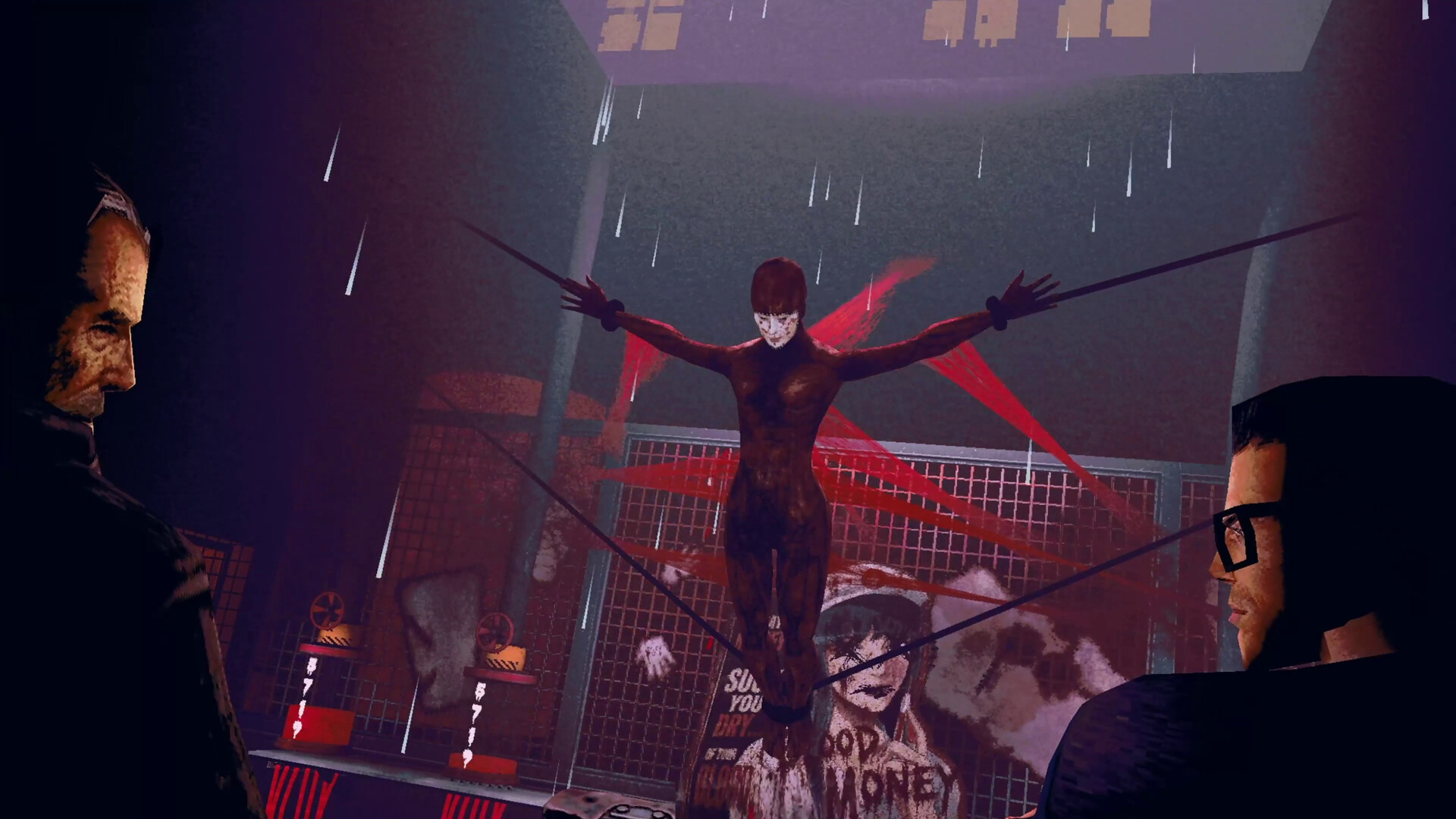
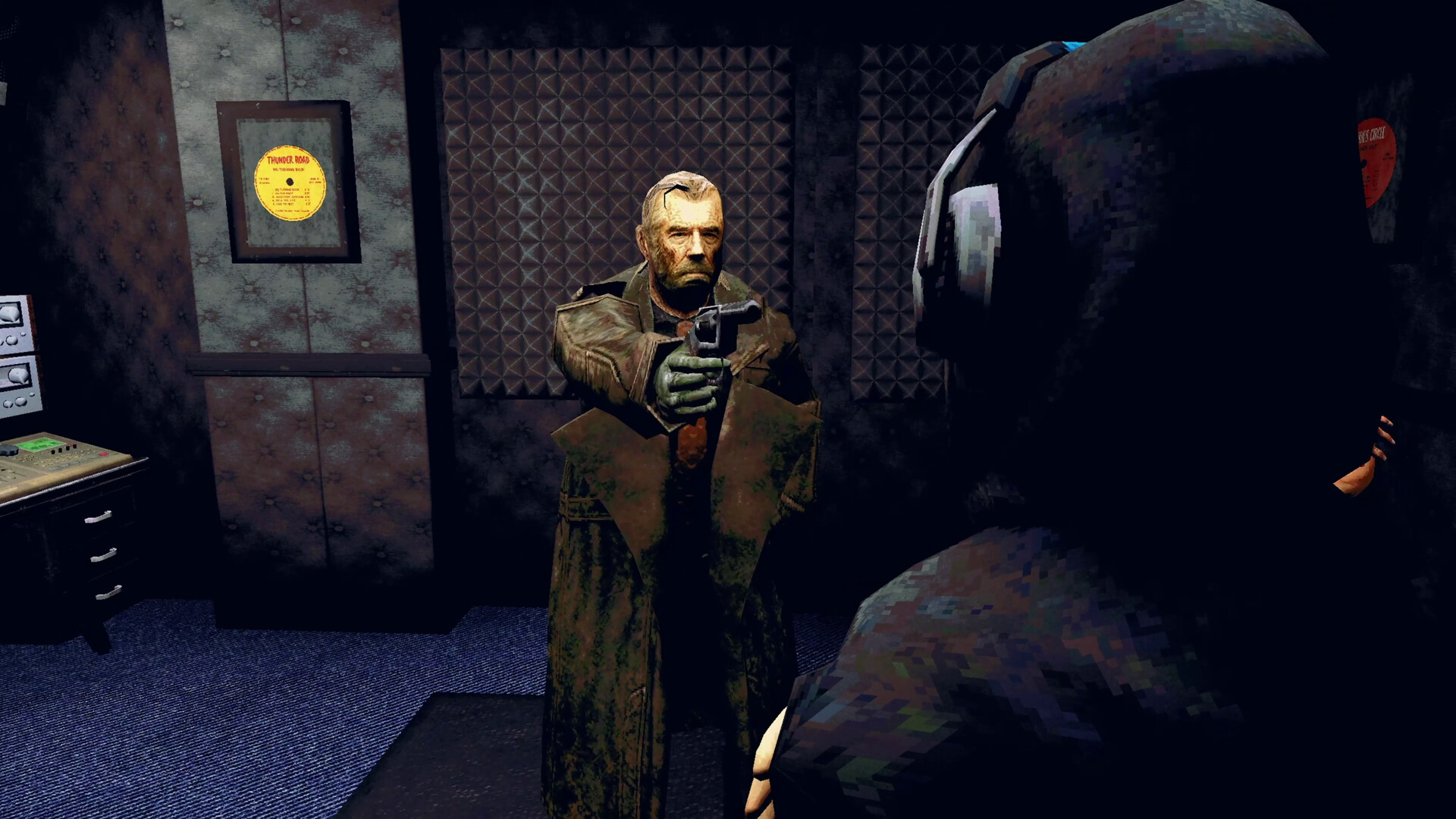
Carrion City is a masterclass in environmental storytelling. Every location — from the Wieners Mart to the bowling alley to the radio station — feels lived-in and deeply wrong in equal measure. The decaying streets are drenched in neon and grime, evoking the aesthetic of 1980s exploitation films filtered through a PlayStation-era lens. It’s the kind of setting where you can almost smell the mildew.
The story unfolds across multiple character perspectives, and this is where the game shines brightest. Each chapter shifts your viewpoint, building tension through dramatic irony — you know something terrible is coming for these characters, and the game milks that dread for every drop. The narrative crescendos in a finale that reviewers have called “amazing and well written,” tying the disparate threads together with genuine emotional weight.
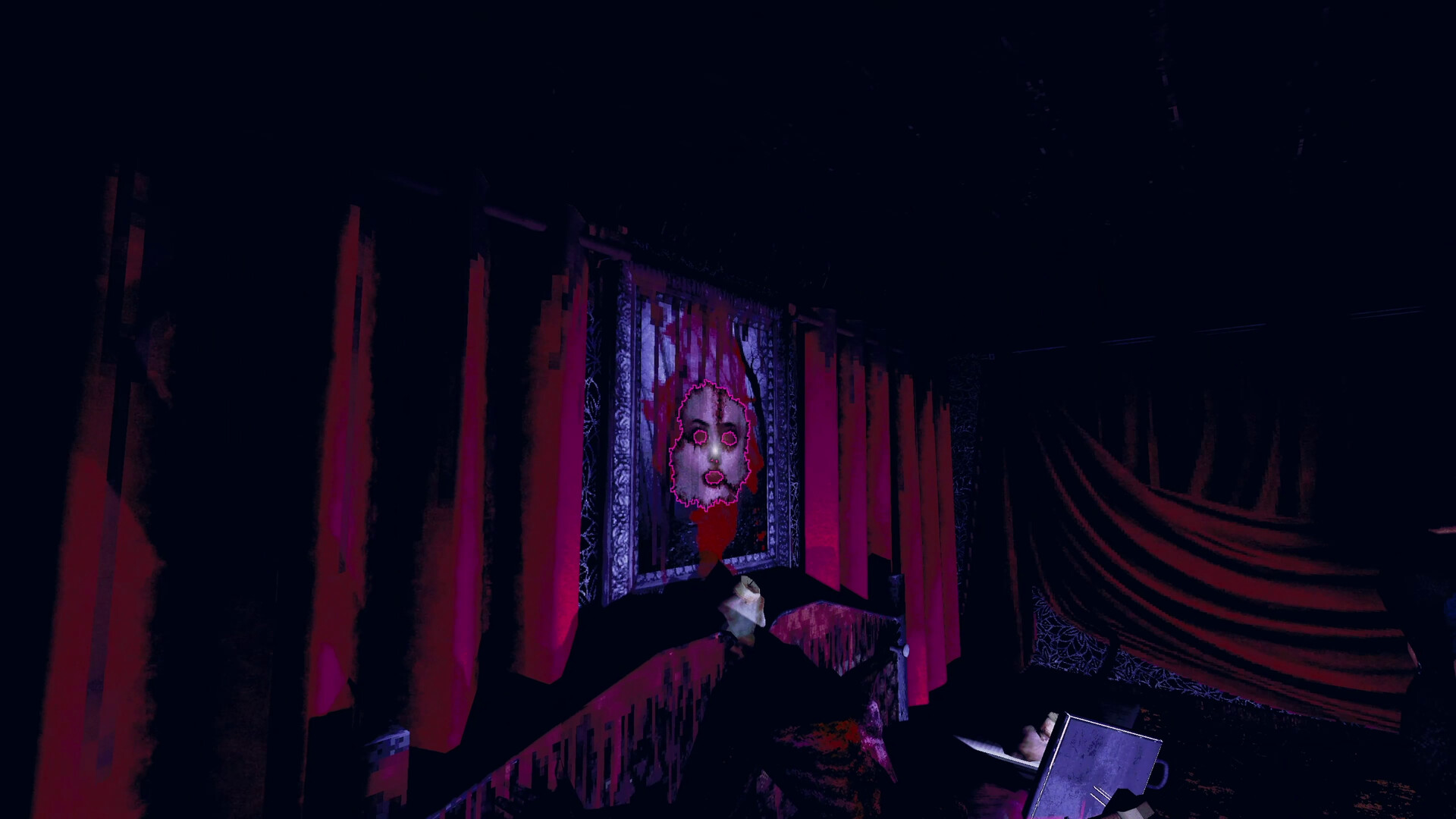
Underneath the crude humor and splatter, there’s a surprisingly cohesive mystery about corruption, obsession, and the darkness lurking beneath any city’s surface. The warped audio tapes scattered throughout add another layer of unease, dragging you deeper into the killer’s psyche as the investigation spirals.
Gameplay and Combat
The gameplay is deliberately simple — this isn’t a mechanics-heavy experience. You’ll investigate crime scenes by examining objects, taking photos of evidence, and solving environmental puzzles. The detective segments feel like a point-and-click adventure compressed into a first-person perspective, with enough interactivity to keep you engaged without overcomplicating things.
When the game shifts to non-detective characters, the gameplay changes tone. These segments lean more toward survival horror — navigating dark environments, avoiding threats, and trying to survive whatever nightmare shift you’ve been assigned. The variety between characters keeps the experience from feeling repetitive, even though each character’s arc follows a similar structure: go to work, encounter something terrible, barely escape with your life.
There’s no combat system to speak of — this is a game about investigation, observation, and occasionally running for your life. The puzzles are clever without being obtuse, and the investigation mechanics, while straightforward, create a satisfying sense of progression as you piece together the mystery.
Progression and Replayability
At two to three hours, The Skin Stapler is designed as a single-sitting experience — and it’s better for it. The pacing is tight, the story escalates methodically, and the game never outstays its welcome. Multiple reviewers noted they played the entire game in one sitting without it ever feeling boring or repetitive.
Replay value is limited by the linear structure, but the multiple character perspectives offer enough variety to warrant a second playthrough if you want to catch details you missed. Some players have expressed hope for multiple endings or the ability to go back and save characters after completing the game — features that would add replay depth but aren’t present in the current release.
Visuals, Audio, and Atmosphere
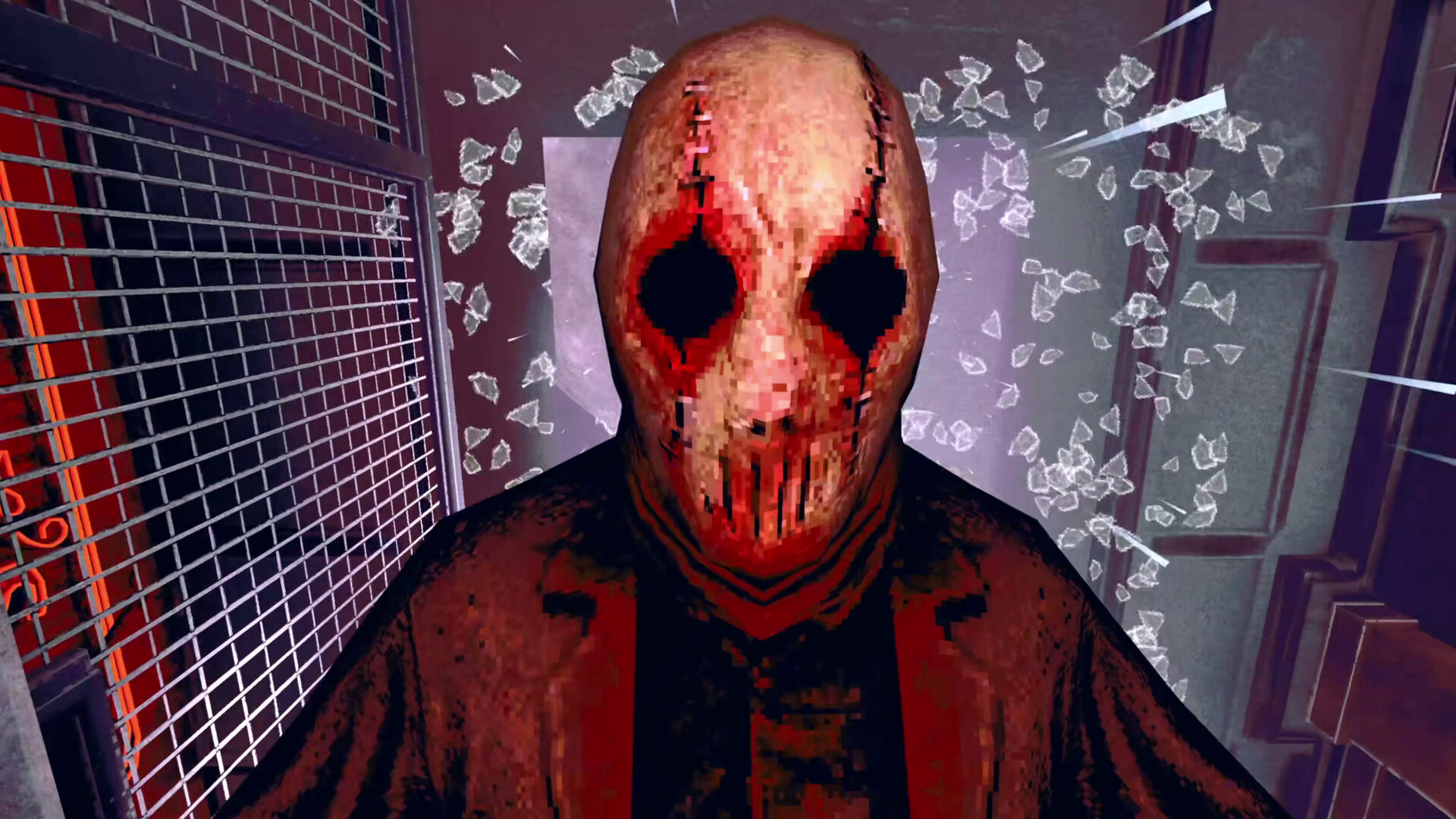
The PSX-style aesthetic is the game’s secret weapon. The low-poly models, warped textures, and deliberate visual degradation create an atmosphere that feels authentically grimy — like you’re playing a cursed VHS tape. The color palette leans heavily on sickly yellows, deep reds, and oppressive blacks, creating a visual identity that’s instantly recognizable and deeply uncomfortable.
The audio design is equally strong. Every character is fully voiced, bringing Carrion City’s killers, victims, and burned-out cops to life with performances that range from genuinely menacing to hilariously over-the-top. The sound design — dripping water, flickering neon hums, distant screams — sells the atmosphere in ways the visuals alone can’t.
Some players noted occasional visual murkiness that makes navigation tricky, and a few subtitle mismatches where the text doesn’t quite match the voice acting. These are minor issues in an otherwise atmospheric package.
Performance and Technical Problems
For a small indie release, The Skin Stapler runs remarkably well. Multiple reviewers reported silky smooth performance with no crashes, no game-breaking bugs, and no need to restart. Steam Deck compatibility is confirmed via Proton 10.4, making it a solid portable horror experience.
The few technical issues that have been reported are minor: occasional audio dropping out during cutscenes (fixable by alt-tabbing), and some subtitle timing inconsistencies. Nothing that significantly impacts the experience.
Pros and Cons
Pros:
- Outstanding atmosphere — the PSX grindhouse aesthetic is perfectly executed
- Multiple character perspectives keep the experience fresh and build dramatic tension
- Full voice acting across the entire cast elevates every scene
- Tight, well-paced 2-3 hour experience that never drags
- Dark humor that lands more often than it misses
- Surprisingly emotional finale that ties everything together
- Runs flawlessly on PC and Steam Deck
Cons:
- Crude humor may not land for everyone — some jokes feel repetitive
- Each character’s arc follows a similar structure (work, encounter horror, get killed)
- Visual murkiness occasionally makes navigation frustrating
- No branching paths or multiple endings limit replay value
- The radio station mini-game segment feels like filler
SteamGamer Editorial Verdict
The Skin Stapler is a passion project in the truest sense of the word. You can feel the love for 1980s VHS horror seeping through every pixel, every line of dialogue, every blood-splattered wall. It’s crude, it’s unapologetically sleazy, and it has more personality in its opening five minutes than most AAA horror games manage in their entire runtime.
The humor won’t be for everyone — if you can’t stomach jokes about hot dogs and cream-filled doughnuts doubling as phallic metaphors, this game will grate on you fast. But for players who appreciate campy horror done with genuine craft, The Skin Stapler delivers a tightly paced, atmospherically rich experience that earns every one of its jump scares and gross-out moments.
At two to three hours and currently $11.99 on sale, it’s an easy recommendation for anyone who enjoys indie horror with personality. Tainted Pact has done it again — another grimy, neon-lit nightmare that’s impossible to forget.
Score: 8.5 / 10

Sarah Chen searches the quieter corners of PC gaming for remarkable ideas that bigger releases leave behind. She covers indie games, platform updates, and overlooked releases for SteamGamer.net. If a strange little game has twelve reviews, an unforgettable mechanic, and absolutely no marketing budget, Sarah has probably already finished it—and is explaining why everyone else should care.





Comment here