
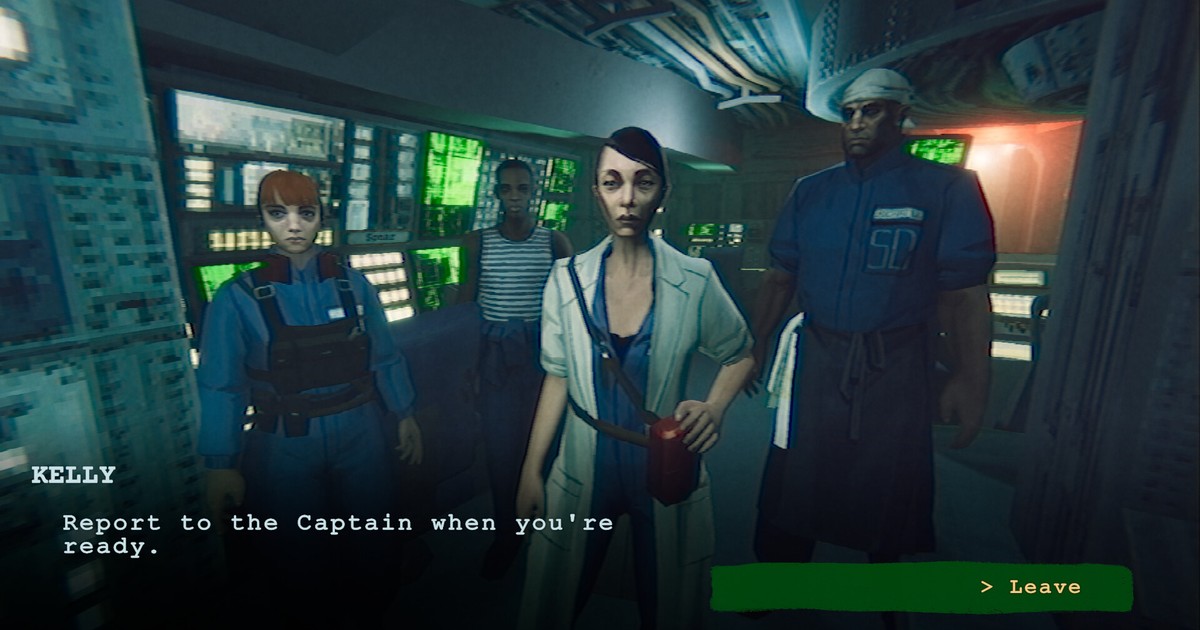
Static Dread: The Submarine launched on Steam yesterday, bringing a blend of Lovecraftian cosmic horror and military submarine simulation to PC. Developed by solarsuit.games and published by Polden Publishing, the title drops players into the role of a naval officer aboard a nuclear submarine trapped in the freezing depths of the North Atlantic, where ancient forces have begun stirring beneath the waves.
nn
The game follows a crew of ordinary people pushed to the brink of madness as contact with the surface is lost and something inhuman awakens in the ocean depths. Players must assign tasks to crew members, maintain discipline aboard the vessel, and make difficult choices between completing the military mission and preserving the crew’s humanity. Sonar scanning reveals threats lurking outside the hull, though not everything that shows up on the display follows military protocol.
nn
What makes Static Dread stand out from other submarine games is its emphasis on narrative-driven decision making. Every crew member has their own fears and psychological state, and the player must balance operational needs against the mounting mental toll of being trapped in a steel tube with Lovecraftian horrors pressing in from all sides. The game features multiple story branches shaped by the choices you make throughout the voyage.
nn
The title arrives with a 20% launch discount, bringing the price down to $9.59 USD from its regular $11.99. It supports full controller play, includes Steam achievements and cloud saves, and offers nine language options. Early reception on Steam has been positive, with reviewers praising the atmospheric tension and the way the game merges submarine management with psychological dread.
nn
For fans of titles like Iron Lung or other indie horror experiences that thrive on claustrophobia and the unknown, Static Dread: The Submarine offers a compelling new entry in the sub-genre. The game is available now on Steam.
n

Dan Kowalski reviews games by listening to what they do before believing what they promise. He cares about responsive combat, purposeful sound design, satisfying movement, and whether a game respects the player’s time. Dan will forgive technical roughness when the underlying experience is exceptional. He will forgive almost anything for a brilliant combat system—but never a tutorial that refuses to stop talking.













Comment here