

There’s a moment in Homura Hime where you parry a demon’s lunging attack, trigger a slow-motion counter, chain it into a spinning slash combo, then dodge out of a bullet hell barrage of purple projectiles—all in about four seconds. It’s the kind of sequence that makes you lean forward in your chair and forget you’re supposed to be writing about the game instead of playing it. Crimson Dusk’s debut title is an anime-style hack-and-slash that punches well above its weight class, delivering combat that genuinely rivals the genre’s heavyweights while wrapping it in a visual package that’s hard to look away from.
Released in March 2026 and published by PLAYISM, Homura Hime has quietly amassed a 94% positive rating on Steam across nearly 800 reviews. That’s not bad for a first-time effort from an indie studio tackling a genre dominated by Devil May Cry, Bayonetta, and NieR. But the numbers only tell part of the story—what makes Homura Hime worth talking about is how it earns every bit of that praise through its combat system, even as it stumbles in other areas.
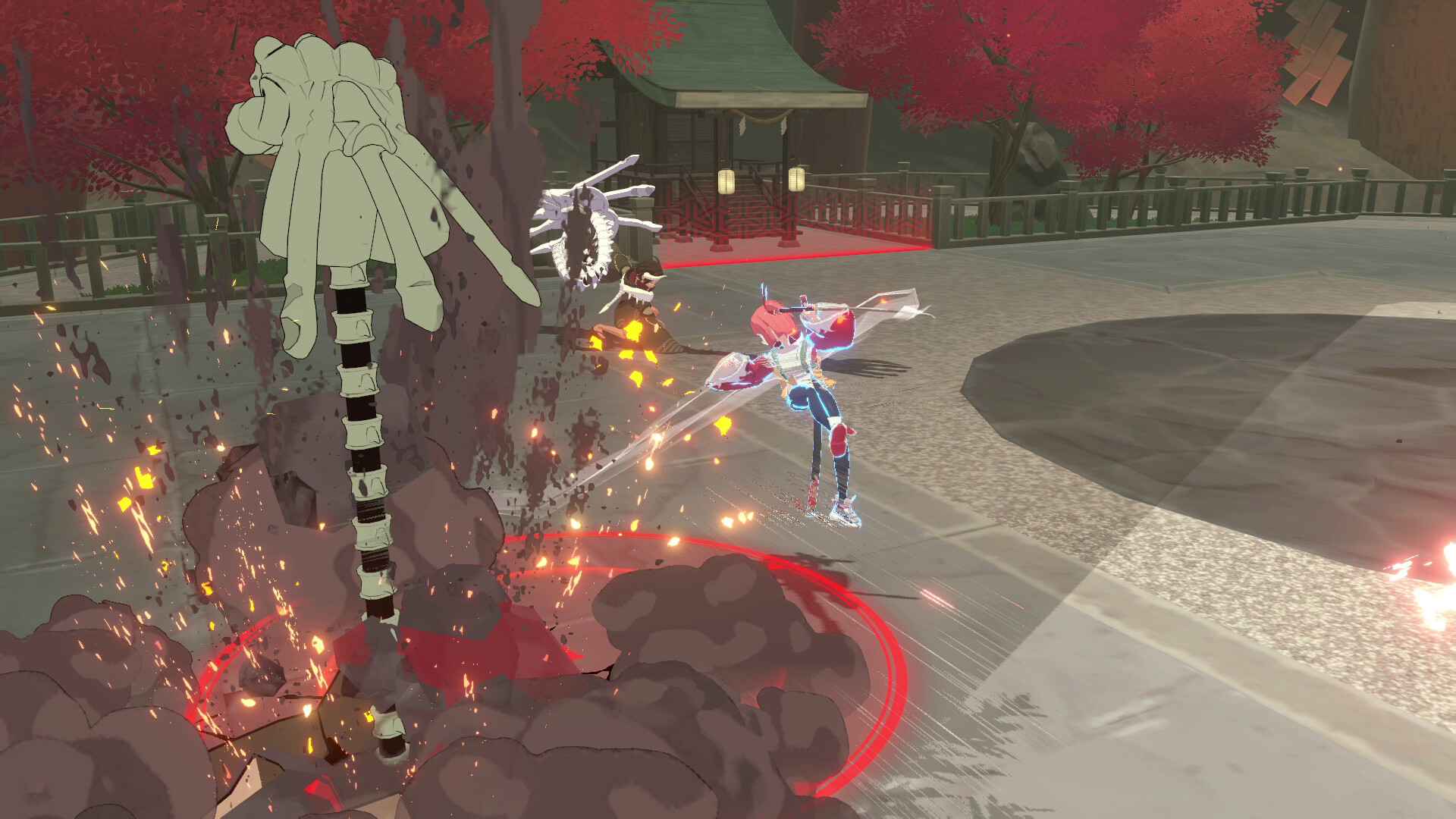
What Is Homura Hime?
At its core, Homura Hime is a 3D action game that blends traditional hack-and-slash combos with bullet hell mechanics. You play as Homura Hime—the “Flame Princess” and the world’s strongest exorcist—who’s been dispatched by the High Priestess to purify a world plagued by archdemons. Alongside her aide Ann, Homura battles through increasingly dangerous encounters against five powerful demon girls, unlocking new weapons and abilities as the story unfolds.
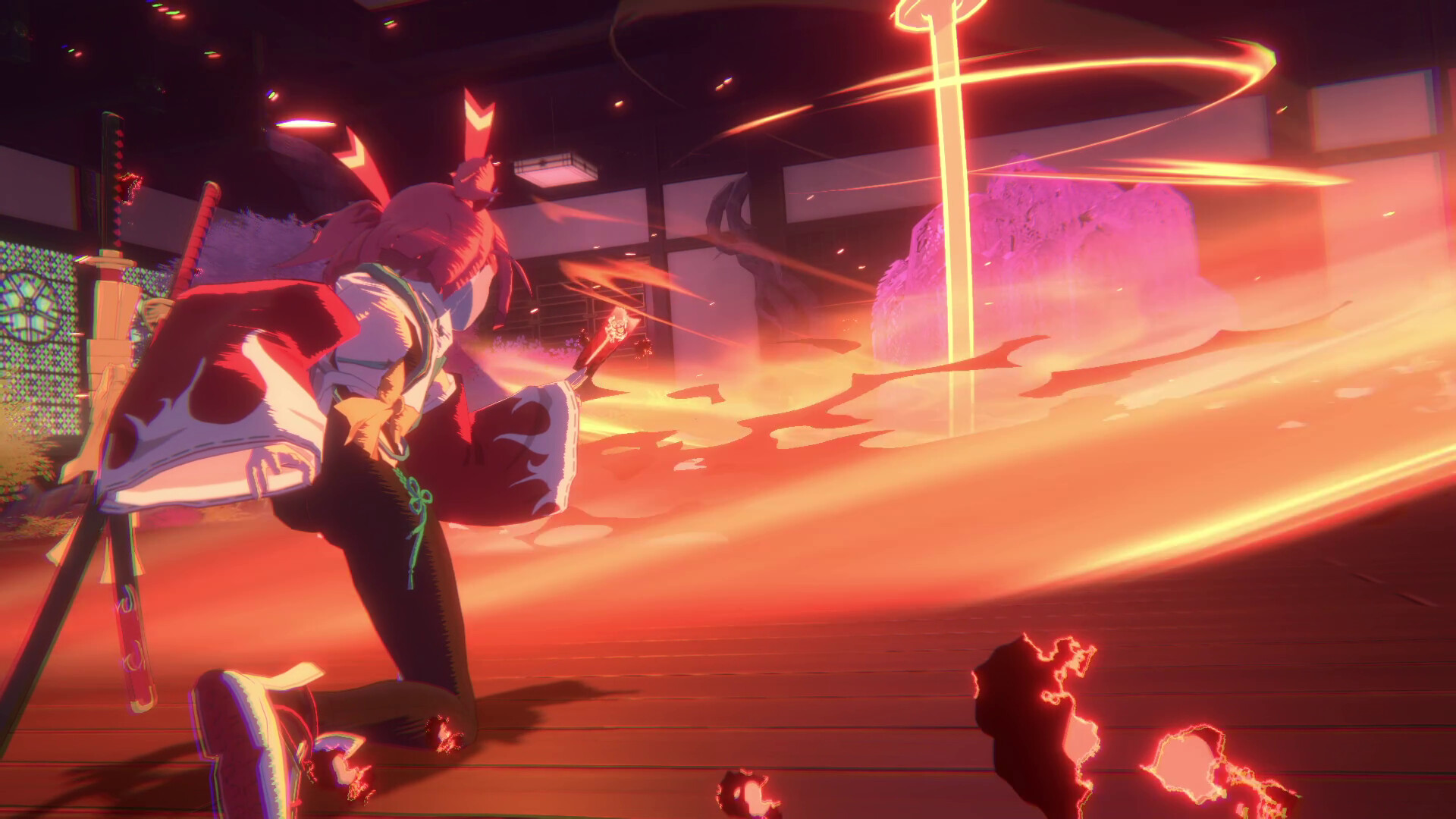
The premise leans into anime archetypes without apologize for it—humans and demons coexist, souls with strong emotions transform into archdemons, and it’s up to one girl with a sword to sort everything out. It’s familiar territory for anyone who’s watched a few dozen episodes of Bleach or played NieR, but the execution gives it enough personality to stand on its own.
World, Story, and Setting
The world of Homura Hime is one where demonic corruption twists the environment and its inhabitants. Lowly monsters roam the landscape, operating on pure instinct, while the archdemons—five powerful demon girls—threaten to corrupt the world’s very foundation. It’s a setup that gives the game a clear sense of purpose: hunt down the archdemons, purify the land, uncover the truth about this coexistence between humans and demons.
The story itself is… fine. Some players love it, particularly the ending, which apparently hits harder than expected. Others find it straightforward and lacking stakes—more of a vehicle to move you between boss fights than a narrative that demands your attention. The game clearly invested in A-list Japanese voice talent, and that shows. The voice acting elevates material that might otherwise feel like boilerplate anime plot.
The bigger narrative problem is pacing. Multiple reviewers flagged the same issue: Homura Hime has a cutscene problem. Basic enemies get their own introduction sequences. Bosses trigger cutscenes for every colored aura. Tutorials explain themselves twice. The game stops you constantly, and when the combat is this good, every interruption feels like someone pulling you away from the thing you actually want to be doing.
Gameplay and Combat
Let’s talk about the part everyone agrees on: the combat is excellent. Homura Hime delivers a combo system that’s easy to learn but rewarding to master, with button combinations that chain into devastating AoE attacks or focused single-target bursts. The parry window is generous enough to feel accessible without being trivial, and mastering the timing transforms encounters from tense survival into stylish domination.
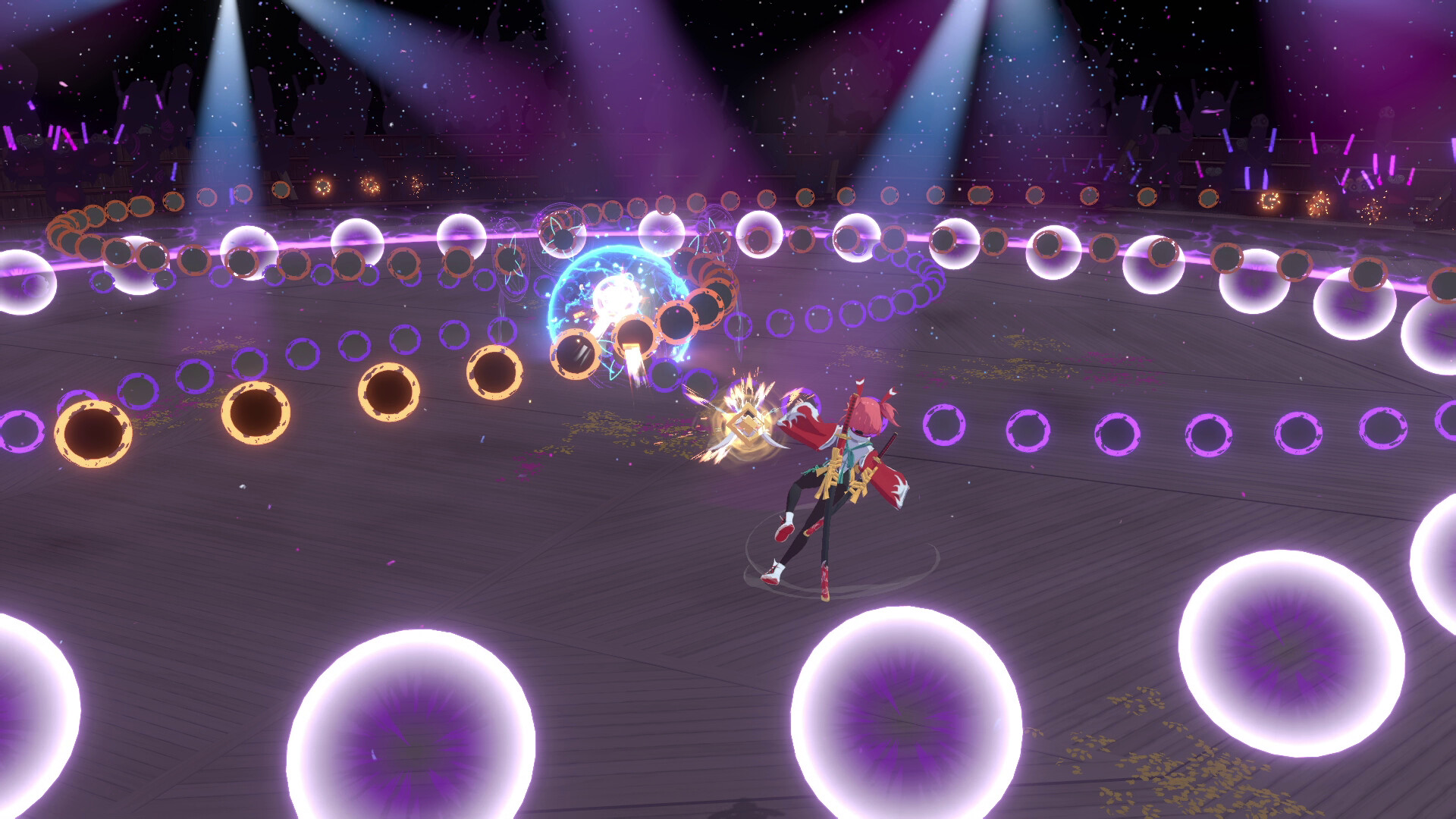
What sets Homura Hime apart from pure hack-and-slash fare is the bullet hell integration. Certain combat phases shift the perspective and flood the screen with projectile patterns you need to navigate while still dealing damage. It’s a mechanic that could feel forced, but here it blends naturally with the melee combat—dodging a barrage of purple orbs while positioning for a counterattack creates a rhythm that’s genuinely thrilling.
The boss fights are the highlight. Each archdemon girl brings a distinct combat pattern, and the variety keeps encounters fresh across the game’s runtime. Players consistently praised the boss design as the game’s strongest element, with some describing the fights as some of the most gripping experiences they’ve had in the action genre. Defeating bosses also unlocks new weapons and equipment, giving you a tangible reward that feeds back into the combo system.
The moment-to-moment gameplay feels great when the game lets you play. The issue, as many reviewers noted, is that it doesn’t always let you play. Between combat encounters, you’re often walking to the next waypoint, watching another cutscene, or sitting through a tutorial that over-explains a mechanic you already figured out. The combat encounters themselves are too short—by the time you’ve settled into the rhythm, the fight’s over and it’s back to exposition.
Progression and Replayability
Homura Hime keeps things moving by constantly introducing new mechanics and combo options. Purchasable upgrades expand your moveset, and the variety of combat abilities ensures that your fifth hour feels different from your first. Several reviewers reported putting 50-100+ hours into the game, which speaks to genuine replay value—whether through difficulty settings, achievement hunting, or simply revisiting favorite boss fights.
The game’s adjustable difficulty settings make it accessible to both action game veterans and newcomers. If you’re coming from DMC or Bayonetta, you’ll find familiar territory. If you’re new to the genre, the forgiving parry window and clear visual feedback give you room to learn without feeling punished.
Visuals, Audio, and Atmosphere
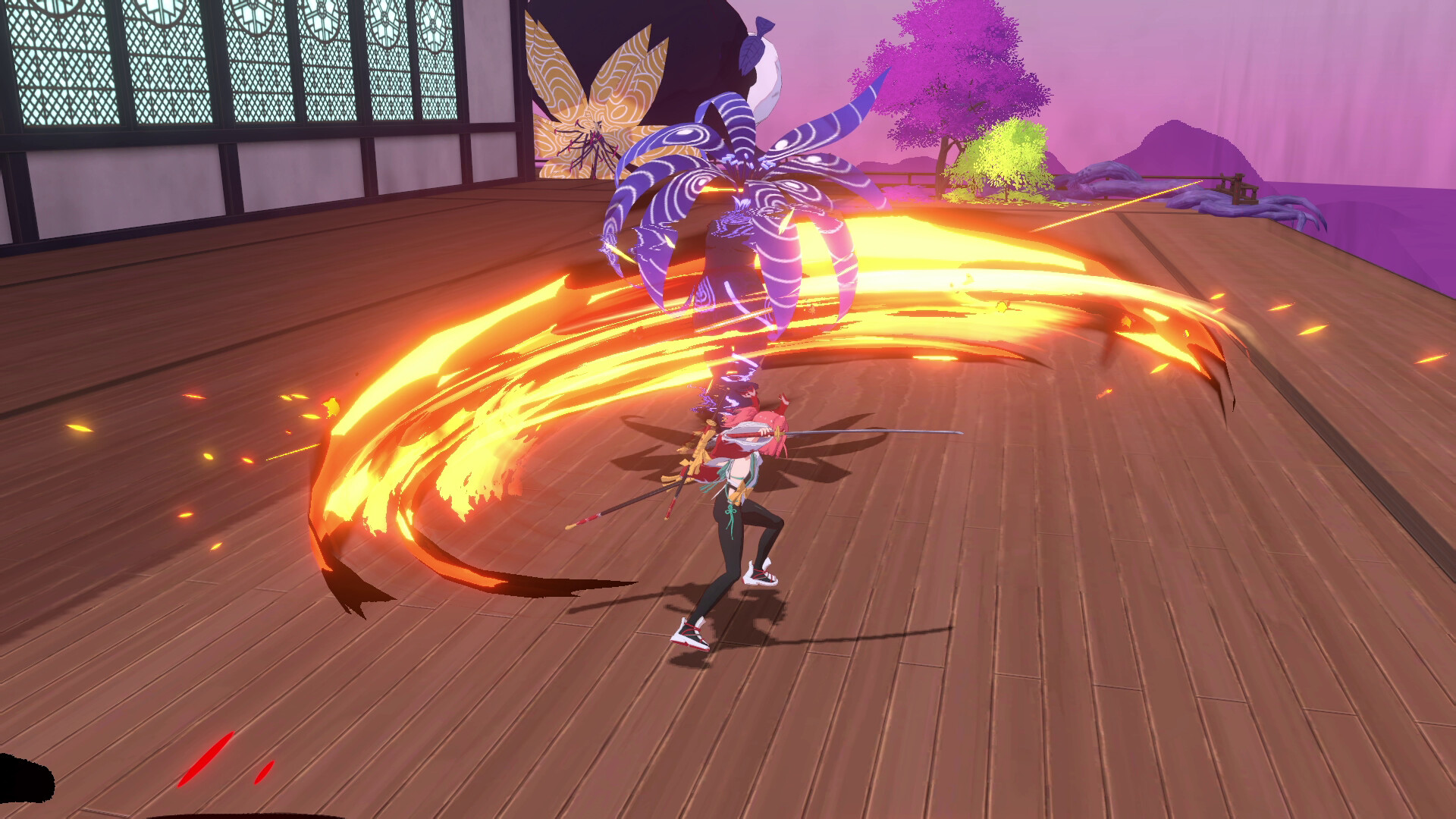
Visually, Homura Hime is striking. The cel-shaded anime art style is consistently gorgeous, with character designs that clearly resonated with the audience. The environments range from traditional Japanese architecture to abstract demon realms, and the visual variety keeps the world feeling alive. Particle effects during combat—orange slash trails, purple projectile patterns, glowing counter triggers—create a visual spectacle that reinforces the power fantasy.
The soundtrack divides opinion. Some players found it solid and fitting for the action; others described it as middling. What’s not in question is that the audio design during combat—the clash of weapons, the impact of parries, the eruption of combo finishers—contributes significantly to the game’s feel. The sound design makes every hit land with weight.
Character animations could be smoother in places, but the overall presentation punches above what you’d expect from an indie studio’s first outing. The art direction carries a lot of the game’s identity, and it succeeds admirably.
Performance and Technical Issues
Not everything is polished. Some players reported significant lag and optimization issues, particularly on hardware that meets the minimum requirements but falls short of recommended. The game’s 34 GB install size is substantial, and performance can dip during the most visually intense bullet hell sequences. It’s not a dealbreaker for most, but it’s worth noting if you’re running older hardware.
The more common complaint isn’t technical—it’s design. The cutscene frequency and tutorial pacing feel like a game that doesn’t trust its own gameplay to hold your attention. It’s a frustrating irony: the combat is so good that the constant interruptions feel like self-sabotage.
Pros and Cons
Pros:
- Combat system that genuinely rivals DMC and Bayonetta in style and satisfaction
- Generous parry mechanics that feel rewarding without being punishing
- Bullet hell integration adds a unique layer to standard hack-and-slash gameplay
- Striking anime art style with memorable character designs
- Boss fights are varied, challenging, and the clear highlight of the experience
- A-list Japanese voice acting elevates the presentation
- Strong combo variety and progression system
- Accessible difficulty options for newcomers and veterans alike
Cons:
- Excessive cutscenes interrupt the flow of gameplay constantly
- Tutorials over-explain mechanics and double up on information
- Combat encounters often end too quickly, leaving you wanting more
- Story pacing can feel flat between major set pieces
- Performance issues on some hardware configurations
- Linear level design between boss fights lacks variety
SteamGamer Editorial Verdict
Homura Hime is a game at war with itself. The combat is exceptional—fast, stylish, and mechanically satisfying in a way that few indie games manage. The anime art direction is gorgeous, the boss fights are memorable, and the parry-and-combo system creates those “one more fight” moments that keep you playing way past when you meant to stop. But the game wrapped around that combat doesn’t always trust it to shine. The constant cutscenes, over-eager tutorials, and short encounter design undermine the very thing that makes Homura Hime special.
It’s the kind of game where you’ll spend 70% of your time wishing they’d just let you play, and 30% of your time absolutely electrified by what they built. That ratio is frustrating because the highs are genuinely high—this is combat that stands shoulder-to-shoulder with the genre’s best. For fans of hack-and-slash action who can tolerate the pacing issues, Homura Hime is an easy recommendation. Just be prepared to earn your boss fights.
Score: 7.5/10
Homura Hime is available now on Steam for $19.99 (currently 20% off). Reviewed on PC.

Zoe Mitchell writes about games that start arguments. At SteamGamer.net, she covers gaming culture, unexpected indie hits, controversial design decisions, and releases that send the internet into a collective meltdown. She is most interested in the moment a game stops being entertainment and becomes a conversation. If everyone is asking, “Who thought this was a good idea?” Zoe wants to play it.






Comment here