
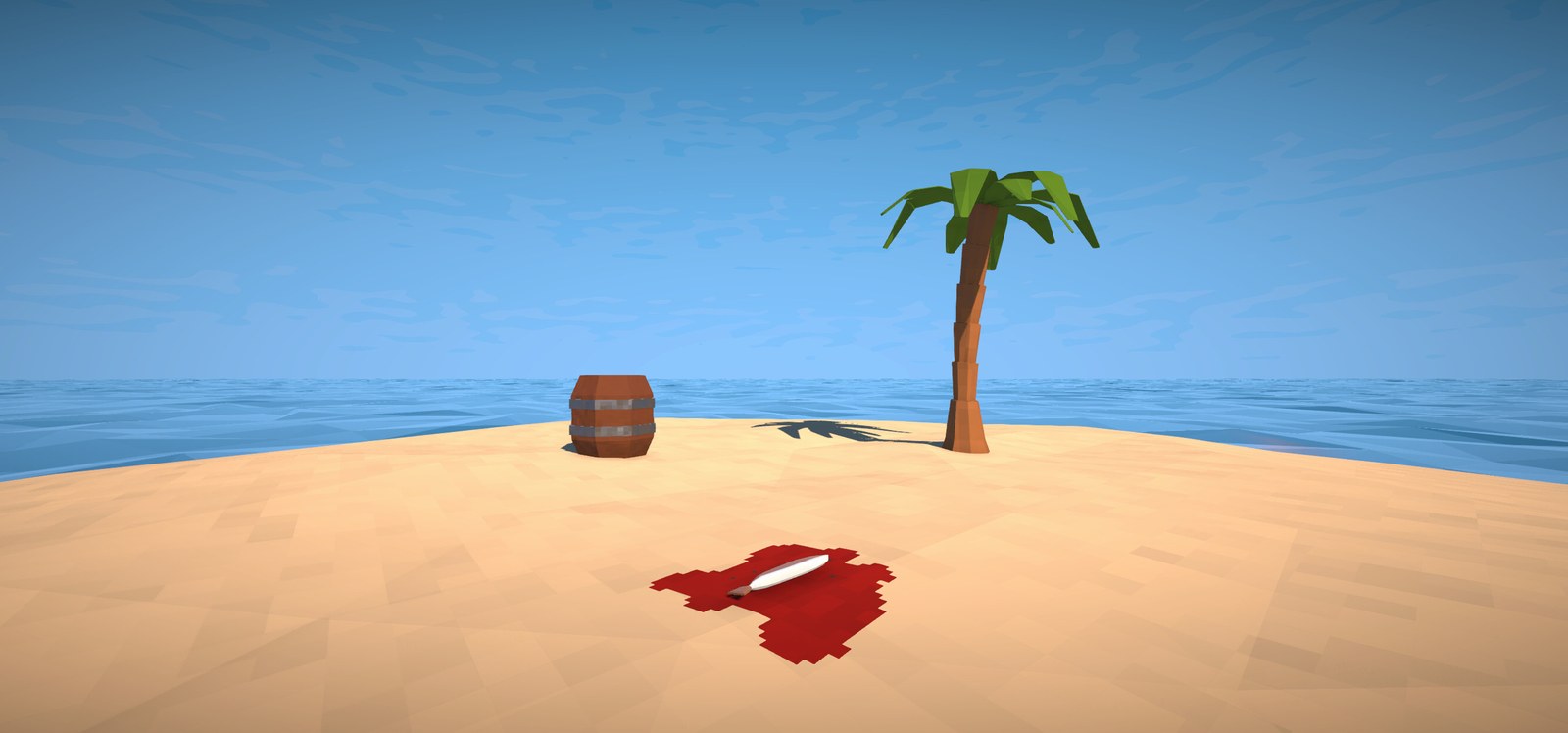
There are fishing games, and then there is How to Fish — a game that asks you to forget everything you know about the genre, crack open a cold one, and then immediately crash your boat into a deserted island. That is the tutorial. There is no hand-holding, no gentle onboarding, no soothing narration about the art of angling. You wake up on a beach with nothing, and the ocean has decided to become your personal enemy. What follows is one of the most unexpectedly chaotic and hilarious co-op experiences of the year.
Dazed Games, a two-person Swedish indie studio, has somehow crafted a game that is equal parts Animal Crossing fishing minigone, DOOM on a tropical island, and a casino simulator — all wrapped in a charming low-poly art style that belies the absolute carnage underneath. With nearly two thousand Steam reviews already stacking up an Overwhelmingly Positive rating within a single day of launch, How to Fish is one of the rare titles that proves a great concept, tight execution, and a $7.99 price tag can still set the internet on fire.
What Is How to Fish?
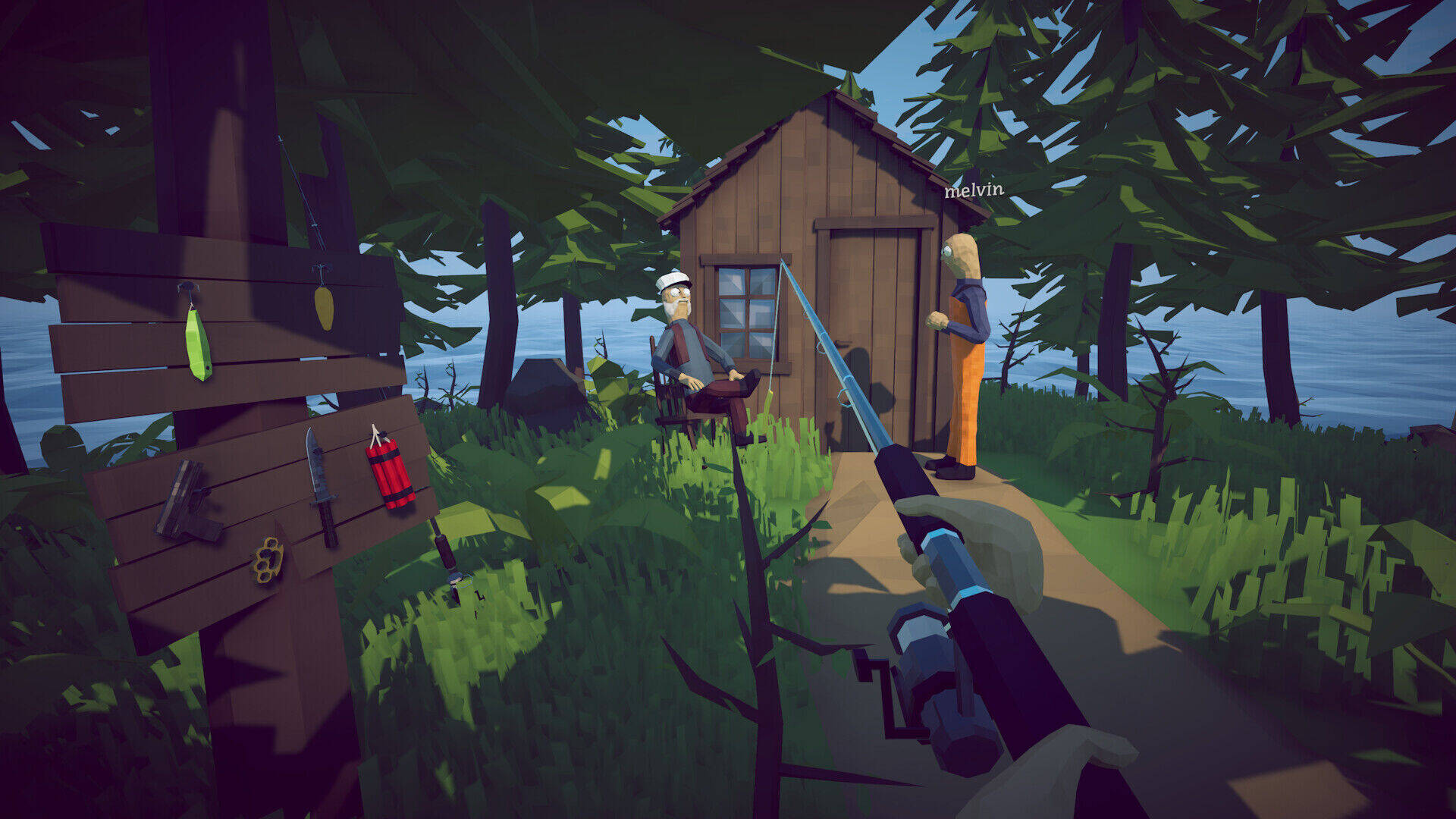
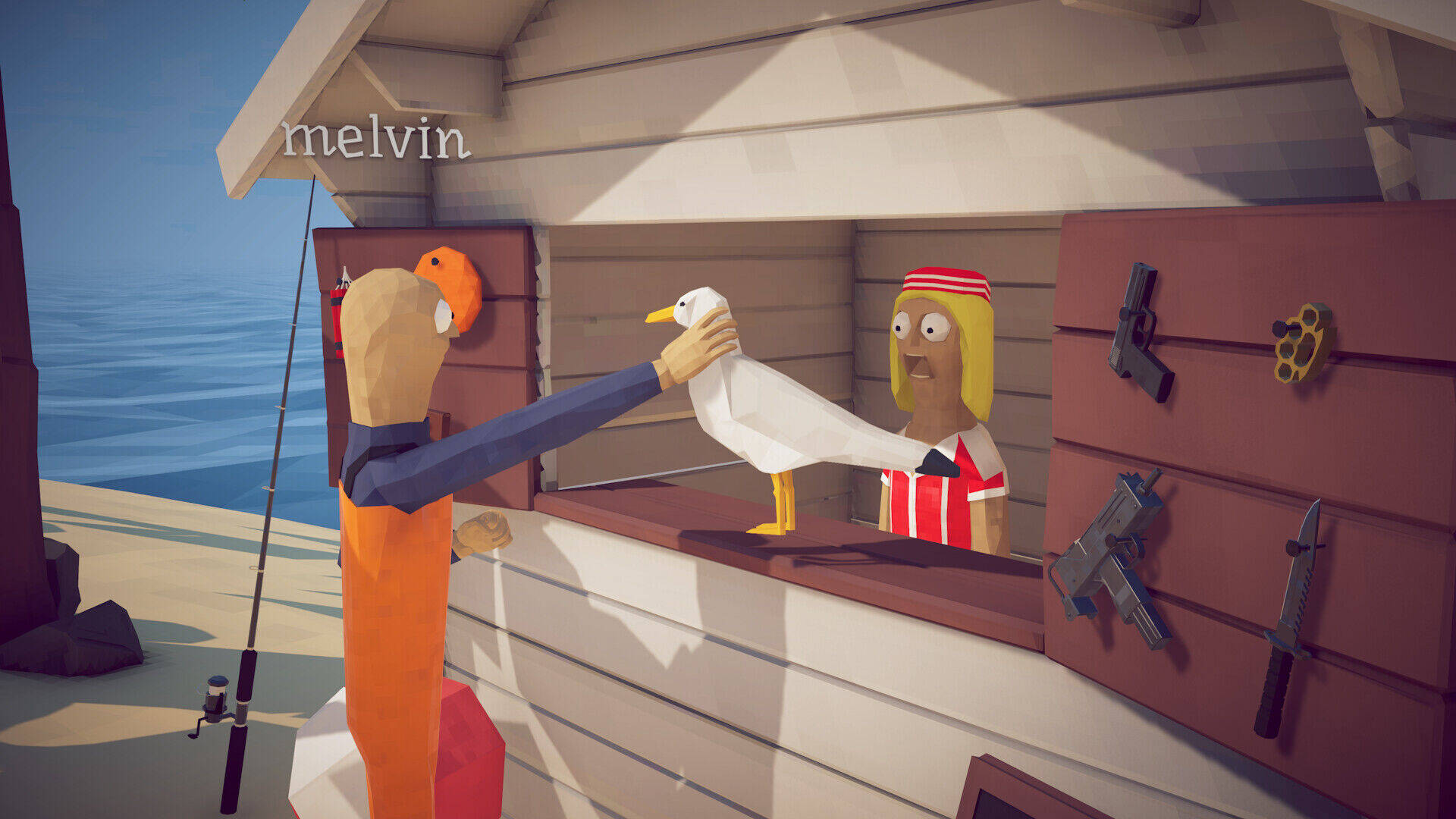
At its core, How to Fish is a 1-4 player physics-based co-op game where you fish, fight, gamble, and stumble your way across a chain of increasingly dangerous islands. The setup is simple: while drinking and boating, you crash into a small island. To work your way back home, you have to learn how to fish. But “learn how to fish” is doing a lot of heavy lifting in that sentence. What it actually means is: catch fish with a rod, sell them for cash, buy weapons and gear from island merchants, fight increasingly absurd boss creatures, unlock new islands, and repeat — all while your teammates shoot you in the back of the head because friendly fire is absolutely, gloriously enabled.
The game is built on ragdoll physics that would make a Garry’s Mod veteran weep with joy. Characters stumble, flop, and ragdoll at the slightest provocation. Picking up a fish sends it flailing wildly in your character’s grip. Climbing a palm tree involves wrestling with physics that seem to have a personal vendetta against your dignity. It is the kind of game where the comedy comes not from scripted gags but from the emergent chaos of systems interacting in absurd ways.
World, Story, or Central Premise
How to Fish does not care about narrative in the traditional sense, and that is entirely the point. The “story” is your journey across a chain of islands, each more hostile than the last, as you try to find your way home. There is a loose progression framework — you start on a relatively safe island, work your way through increasingly dangerous territories, and eventually face off against endgame bosses — but the real narrative emerges from your sessions with friends.
Island one is your safe haven, a tropical paradise where you learn the basics: catch fish, sell them, buy a rod. Island two introduces more dangerous sea creatures and steeper prices. Island three is where things get genuinely hectic, with aggressive fish that fight back and bosses that demand real coordination. The world-building is minimal but effective — each island has its own ecosystem, its own set of creatures, and its own merchant with unique stock. The environments range from sunny beaches to dense forests to murky underwater areas, all rendered in that distinctive low-poly style that somehow makes every blood splatter look simultaneously adorable and horrifying.
Gameplay and Combat
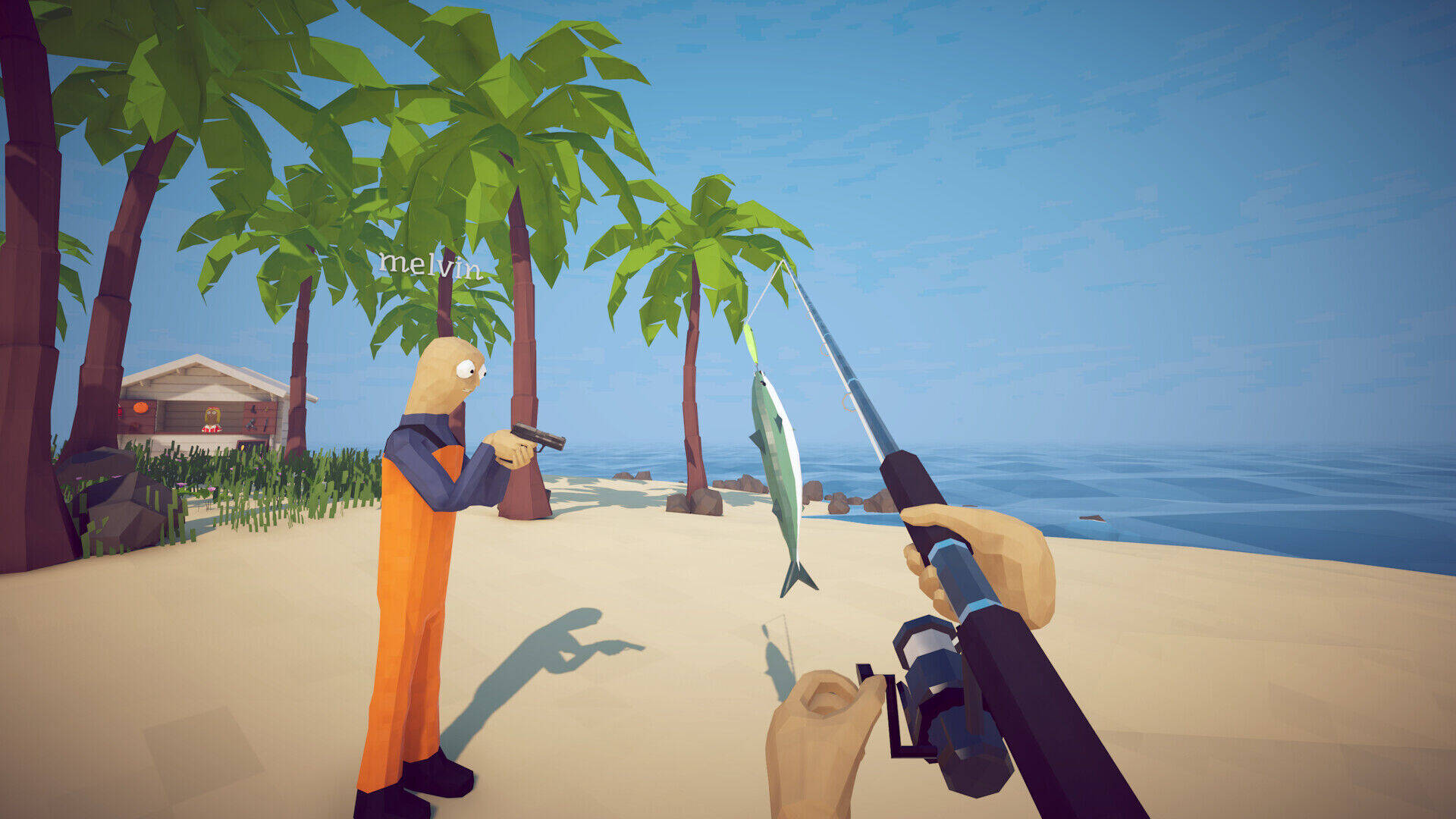
The moment-to-moment gameplay of How to Fish is a beautiful contradiction. You start by doing the most peaceful thing imaginable — standing on a beach, casting a line, waiting for a fish to bite. The fishing mechanic itself is surprisingly satisfying, with a physics-based system that requires you to manage tension on the line and time your reeling. But then a seagull swoops down and steals your catch. Or your teammate shoots you. Or a giant crab boss materializes from the depths and starts charging at you.
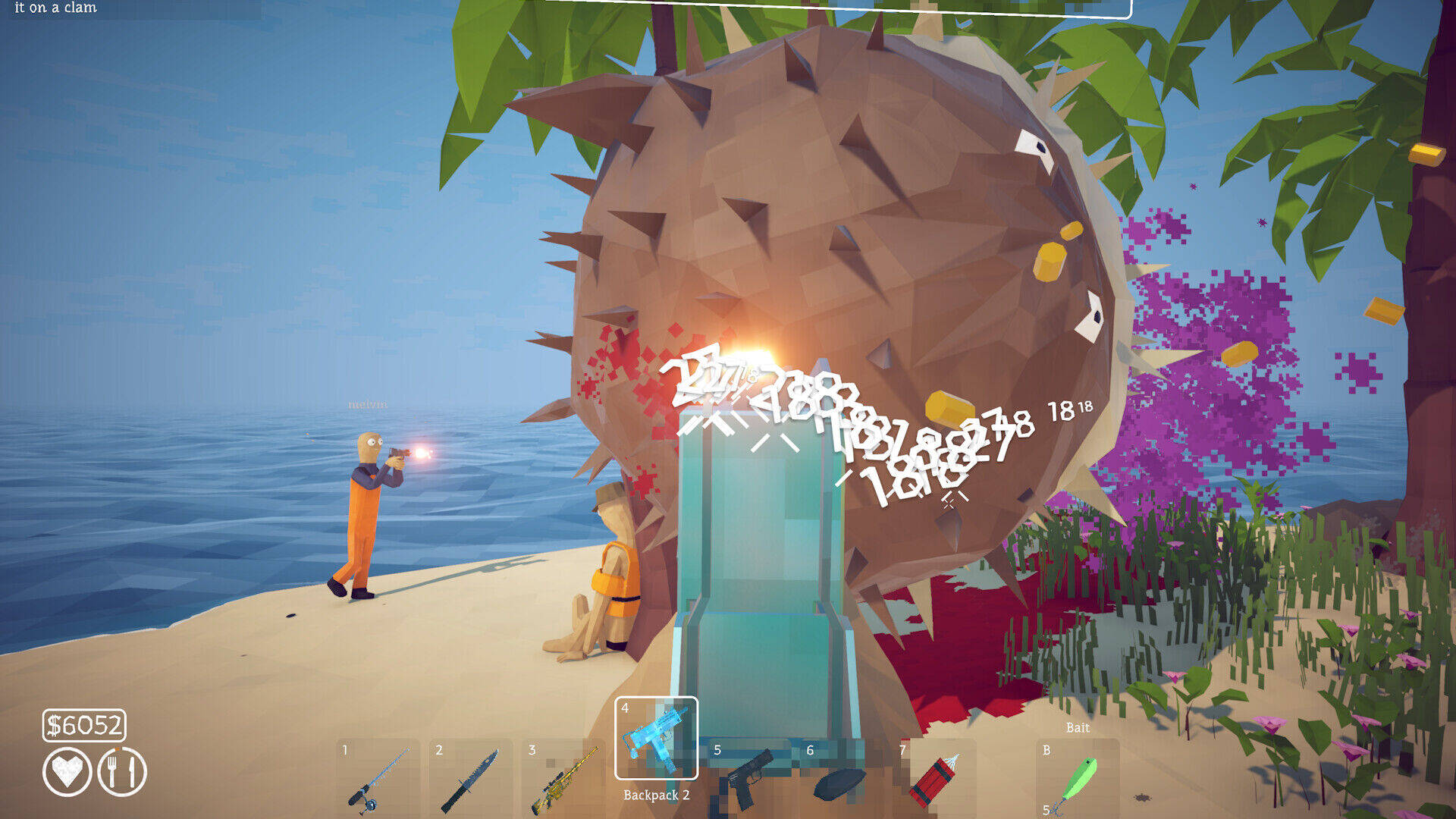
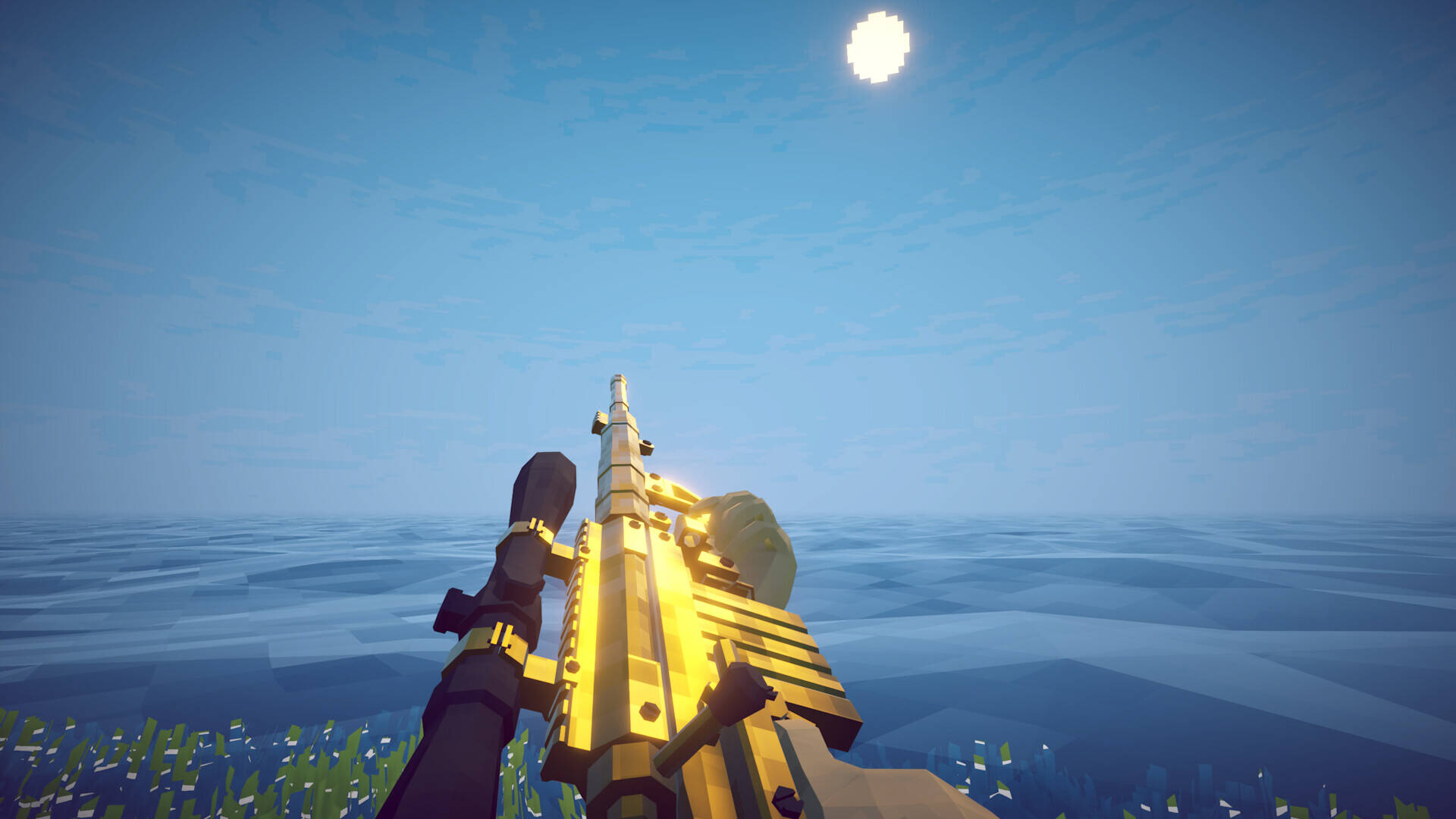
The combat system is where the game truly shines. You progress from basic fishing rods and knives to shotguns, SMGs, dynamite, and eventually weapons that would make a Far Cry villain jealous. Each weapon feels distinct — the shotgun has satisfying spread, the SMG shreds through fish clusters, and dynamite turns the ocean into a war zone. The physics engine means that explosions send fish, debris, and teammates flying in all directions. Boss fights are genuinely challenging spectacles, with massive sea creatures that require real strategy and teamwork to defeat — though “strategy” in this context often means “everyone scatter and hope for the best.”
The friendly fire is not a bug; it is a feature. It transforms every fishing expedition into a test of trust and spatial awareness. Your friends are just as dangerous as the giant mutant tuna, and the proximity voice chat ensures that every accidental betrayal is met with the appropriate level of screaming.
Progression and Replayability
The progression loop in How to Fish is deceptively compelling. You fish, sell, buy better gear, fight tougher enemies, unlock new islands, and repeat. The weapon upgrade path keeps things interesting — you start with a basic fishing rod and a knife, and gradually unlock increasingly ridiculous arsenal options. Each island introduces new creatures, new challenges, and new merchant stock that keeps you pushing forward.
Replayability comes from several sources. First, the co-op experience is inherently replayable — different group compositions create different dynamics, and the physics-based chaos ensures no two sessions play out the same way. Second, there are collectible rare fish variants to find, adding a completionist layer. Third, the gambling system — yes, you can gamble your hard-earned fish money at a casino — provides a genuine sink for excess cash and a source of much-needed entertainment between boss fights. The game also supports Steam Achievements, giving completionists additional incentive to explore every island and defeat every boss.
However, the game is not without its length concerns. Some players have noted that the core content can be completed in a single extended session, particularly with a competent group. The game is best experienced as a series of shorter sessions with friends rather than a single marathon, and the charm lies more in the journey than in the destination.
Visuals, Audio, and Atmosphere
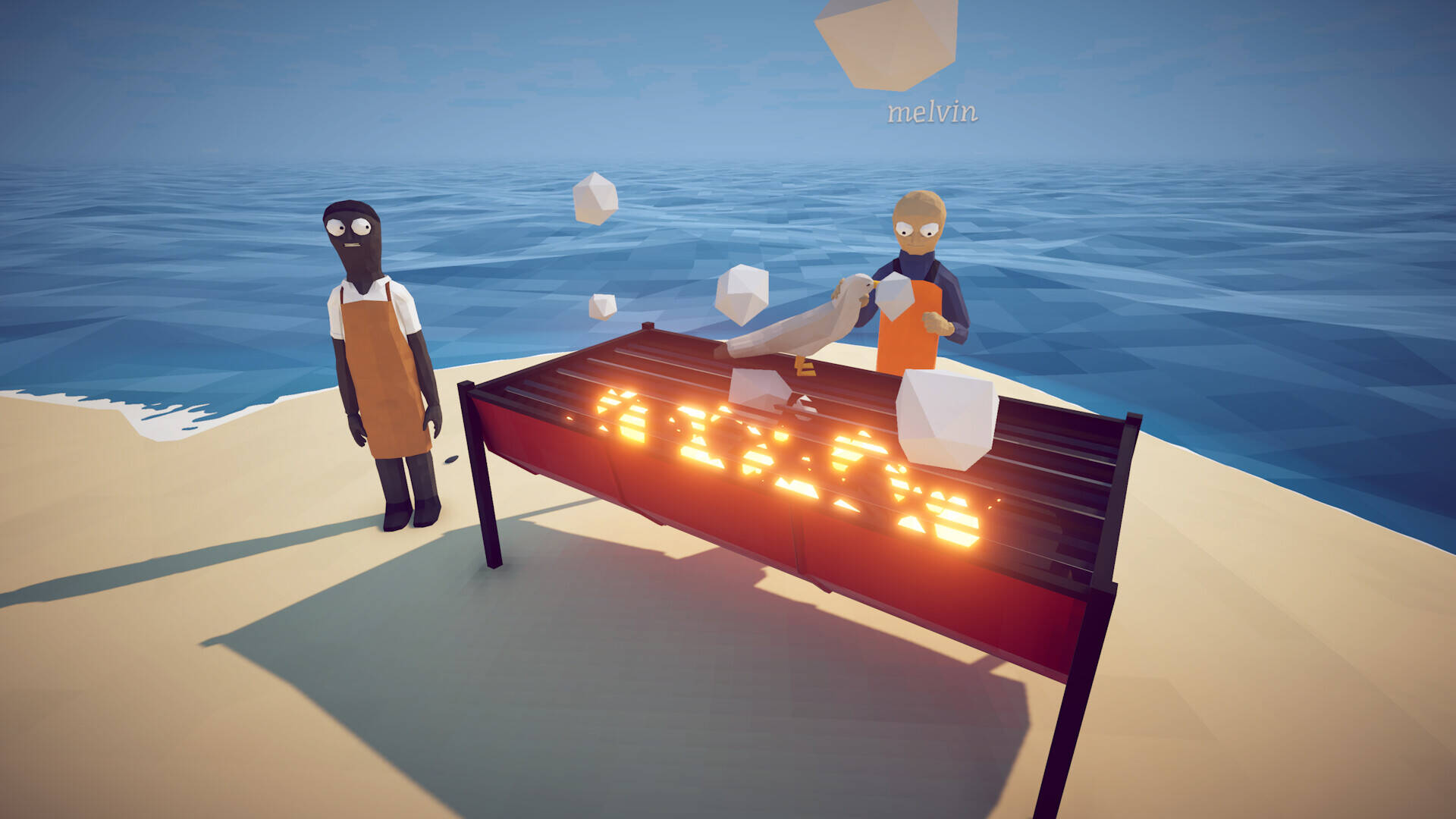
The visual style of How to Fish is a deliberate choice that works perfectly for the tone. The low-poly aesthetic gives everything a toy-like quality that makes the violence feel cartoonish rather than graphic. Water effects are surprisingly beautiful, with clear oceans that let you spot fish swimming beneath the surface. The lighting engine handles sunsets and underwater environments with real artistry. It is not pushing any hardware boundaries, but it nails the aesthetic it is going for.
The audio design deserves special mention. The ambient ocean sounds create genuine atmosphere, and the weapon sound effects have real punch. But the music is where things get interesting — the boss music, in particular, has been a point of discussion among players. It is energetic and fitting for the action, though some have noted that it does not always stop gracefully when you die. The proximity voice chat integration is seamless and adds an irreplaceable layer to the co-op experience.
Performance and Technical Problems
No game this chaotic is without its rough edges, and How to Fish is no exception. The most commonly reported issue is performance degradation when things get particularly explosive — specifically, detonating large quantities of dynamite in the water can tank frame rates to single digits for extended periods. Some players have reported full game crashes and items glitching through the map, resulting in lost gear. The final boss in particular has been criticized for feeling overtuned, with some solo players finding it nearly impossible due to the combination of high health, limited cover, and aggressive attack patterns.
There are also reports of NPCs being difficult to locate — one merchant on the third island is reportedly tucked in a corner that many players simply never notice. These are not game-breaking issues, but they are the kind of rough edges that a small team will likely polish over time, especially given the developers’ stated commitment to community feedback.
Pros and Cons
Pros:
- Incredibly fun co-op experience that thrives on chaos and emergent gameplay
- Satisfying physics-based mechanics that make every moment feel dynamic
- Excellent price point at $7.99 ($4.95 during launch discount)
- Full release from day one — rare for an indie title in 2026
- Strong weapon progression and satisfying combat
- Charming low-poly art style with genuine atmosphere
- Proximity voice chat integration enhances the social experience
- Gambling system adds genuine replayability and entertainment
Cons:
- Performance issues with heavy explosives and large-scale chaos
- Final boss feels overtuned for solo play
- Can be completed relatively quickly with a competent group
- Some items can glitch through the map, causing permanent loss
- Boss music does not always stop gracefully on death
- NPC placement on later islands can be confusing
SteamGamer Verdict
How to Fish is the kind of game that reminds you why co-op gaming exists. It is not trying to be the next great narrative experience or the most mechanically complex simulator. It is trying to be the most fun you can have with three friends while fishing, shooting, and gambling on a tropical island — and it succeeds spectacularly. The physics-based chaos creates moments that no scripted event could match, the weapon progression keeps you engaged, and the sheer absurdity of the premise ensures that every session ends with stories worth telling.
At $7.99 (currently discounted to $4.95), it is almost absurdly good value. The two-person team at Dazed Games has delivered a polished, complete product on launch day — a rarity in today’s gaming landscape — and the overwhelmingly positive reception from nearly two thousand players within the first twenty-four hours speaks for itself. If you have friends and a tolerance for friendly fire, How to Fish is an easy recommendation.
Score: 8.5 / 10

Sarah Chen searches the quieter corners of PC gaming for remarkable ideas that bigger releases leave behind. She covers indie games, platform updates, and overlooked releases for SteamGamer.net. If a strange little game has twelve reviews, an unforgettable mechanic, and absolutely no marketing budget, Sarah has probably already finished it—and is explaining why everyone else should care.






Comment here