
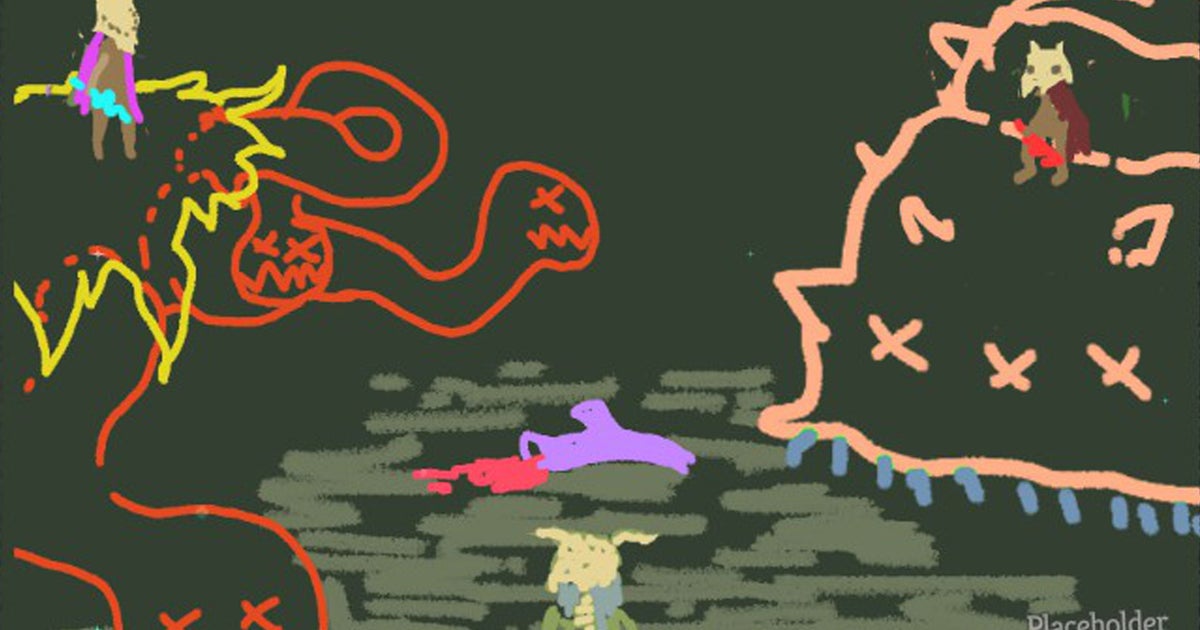
There is a quiet rebellion happening in the early access space, and it starts with some genuinely terrible-looking MS Paint scribbles. Mega Crit Games, the studio behind the genre-defining deckbuilder Slay the Spire, has made a deliberate choice with its sequel: placeholder art that looks unfinished, because it actually is unfinished. And they want you to notice.
In a recent interview with GameSpot, co-founder Casey Yano laid out the reasoning with unusual transparency. The rough placeholder illustrations in Slay the Spire 2 exist not as a shortcut or a budget decision, but as a signal. “I wanted to set the precedent that some of the stuff is incomplete, and I wanted to make it obvious,” Yano explained. “I think things being obviously incomplete is actually pretty important for early access.”
This is a notable departure from the current industry trajectory. As early access has matured as a business model, studios increasingly feel pressure to present polished, near-final experiences from day one. The expectation has shifted: players now treat early access as a launch in all but name, scrutinizing rough edges the way they would a full release. Mega Crit is pushing back against that assumption entirely.
But the more revealing part of Yano’s comments concerns what happens when you fill those gaps with AI-generated art. His argument is both practical and philosophical. From a practical standpoint, generating art that approximates a studio’s existing style defeats the purpose of having a distinctive visual identity in the first place. “The game is in our style, so I don’t know why we’d need AI to mimic our own style,” Yano noted. If your team already has a coherent aesthetic, outsourcing that aesthetic to a model trained on external data is redundant at best and dilutive at worst.
The philosophical dimension cuts deeper. Yano pointed to the human cost: “Anybody who has gone through the artistic process… I wouldn’t say they would feel cheated, but they would feel a kind of sadness, right?” He is describing something specific to creative communities — the sense that AI-generated work collapses the visible journey of an artist developing their craft. You see the destination without the path, and something feels hollow about that.
This is not a blanket indictment of generative AI tools, and Yano does not frame it as one. Studios working with artists who specialize in style imitation have existed long before machine learning entered the picture. The distinction Mega Crit draws is about internal consistency: if you already know what your game should look like, the gap should be filled by your people, not a prompt.
For the early access model specifically, there is a strategic benefit. Obvious placeholder art communicates honesty about development status. It tells players exactly what they are paying to support, without the ambiguity that comes with AI-polished stand-ins that could be mistaken for final assets. In a market increasingly skeptical of overpromising, that kind of transparency has real value.
Slay the Spire 2 remains in early access on Steam, and Mega Crit continues to iterate on both its design and its visual presentation the old-fashioned way — one deliberately rough sketch at a time.

Sarah Chen searches the quieter corners of PC gaming for remarkable ideas that bigger releases leave behind. She covers indie games, platform updates, and overlooked releases for SteamGamer.net. If a strange little game has twelve reviews, an unforgettable mechanic, and absolutely no marketing budget, Sarah has probably already finished it—and is explaining why everyone else should care.







Comment here