
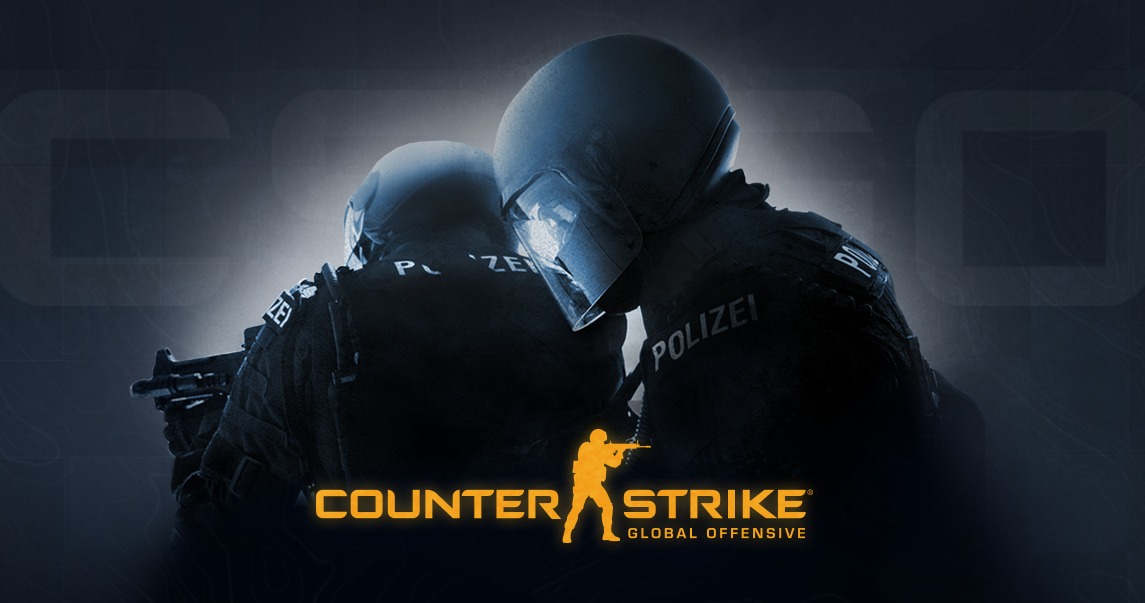
Counter-Strike: Global Offensive has always had a complicated relationship with its successor. When Counter-Strike 2 launched, it wasn’t just an upgrade — it was a replacement. CS:GO vanished from the store, and players were funneled into the new engine whether they liked it or not. Most did. But not all.
Now, almost two years later, CS:GO has quietly resurfaced on Steam with its own dedicated store page. It’s unlisted — you won’t find it through the search bar — but it exists, and at the time of reporting, over 26,000 players had already tracked it down. That’s not a rounding error. That’s a community that never stopped wanting what was taken from them.
The practical setup hasn’t changed much. You could always access CS:GO through CS2’s legacy branch in your Steam library properties. What’s different now is visibility and separation. Having its own store page means Valve can actually track how many people are returning to the old game, which in turn gives them data on whether investing in legacy support makes business sense.
The catch is that this is currently a skeleton. There are no official servers, no matchmaking, no community server browser, and no achievements. You can load into classic modes like Danger Zone, but the experience is bare-bones. Think of it as Valve testing the waters rather than committing to full restoration.
The speculation — and it’s educated speculation — is that Valve separated CS:GO from CS2 for a reason. You don’t create a standalone store page for a game you intend to let die quietly. The most likely next step is mod support, which would give the community tools to rebuild what was lost. Community servers, custom game modes, the whole ecosystem that made CS:GO a cultural institution.
For competitive players, CS2 remains the clear choice. But there’s a significant portion of the playerbase that preferred CS:GO’s movement mechanics, its weapon feel, and its general vibe. Whether Valve caters to that sentiment remains to be seen. For now, the return itself is the story — a reminder that in gaming, “legacy” doesn’t have to mean “abandoned.”

Sarah Chen searches the quieter corners of PC gaming for remarkable ideas that bigger releases leave behind. She covers indie games, platform updates, and overlooked releases for SteamGamer.net. If a strange little game has twelve reviews, an unforgettable mechanic, and absolutely no marketing budget, Sarah has probably already finished it—and is explaining why everyone else should care.











Comment here