
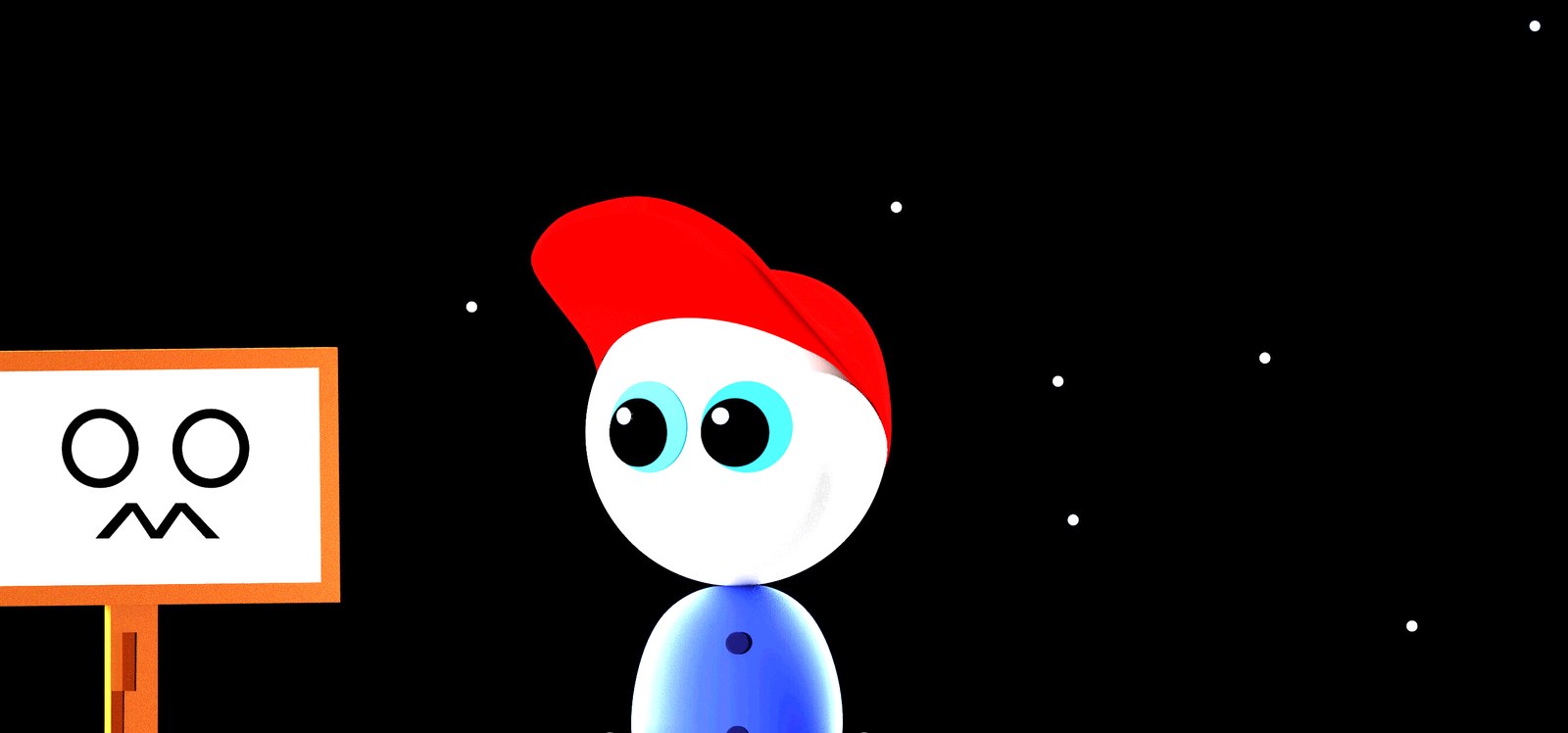
There’s a specific kind of game that lingers in your memory long after the credits roll—not because it dazzled you with spectacle, but because it made you feel something you didn’t expect. Endacopia is one of those games. Developed entirely by one person—Andrés Guerrero, working under the Andyland banner—this point-and-click adventure looks like a forgotten edutainment CD-ROM from 1997 and plays like nothing you’ve ever encountered.
You play as Mellow, a small, round-headed kid who’s lost all his senses and needs to escape a house that doesn’t want to let him go. What starts as a simple premise spirals into one of the most inventive, strange, and unexpectedly moving adventure games of the year. At $16.50 USD, it’s one of the best values on Steam right now—and with a 99% positive rating from over 6,400 reviews, the crowd has already spoken.
A World That Runs on Its Own Logic
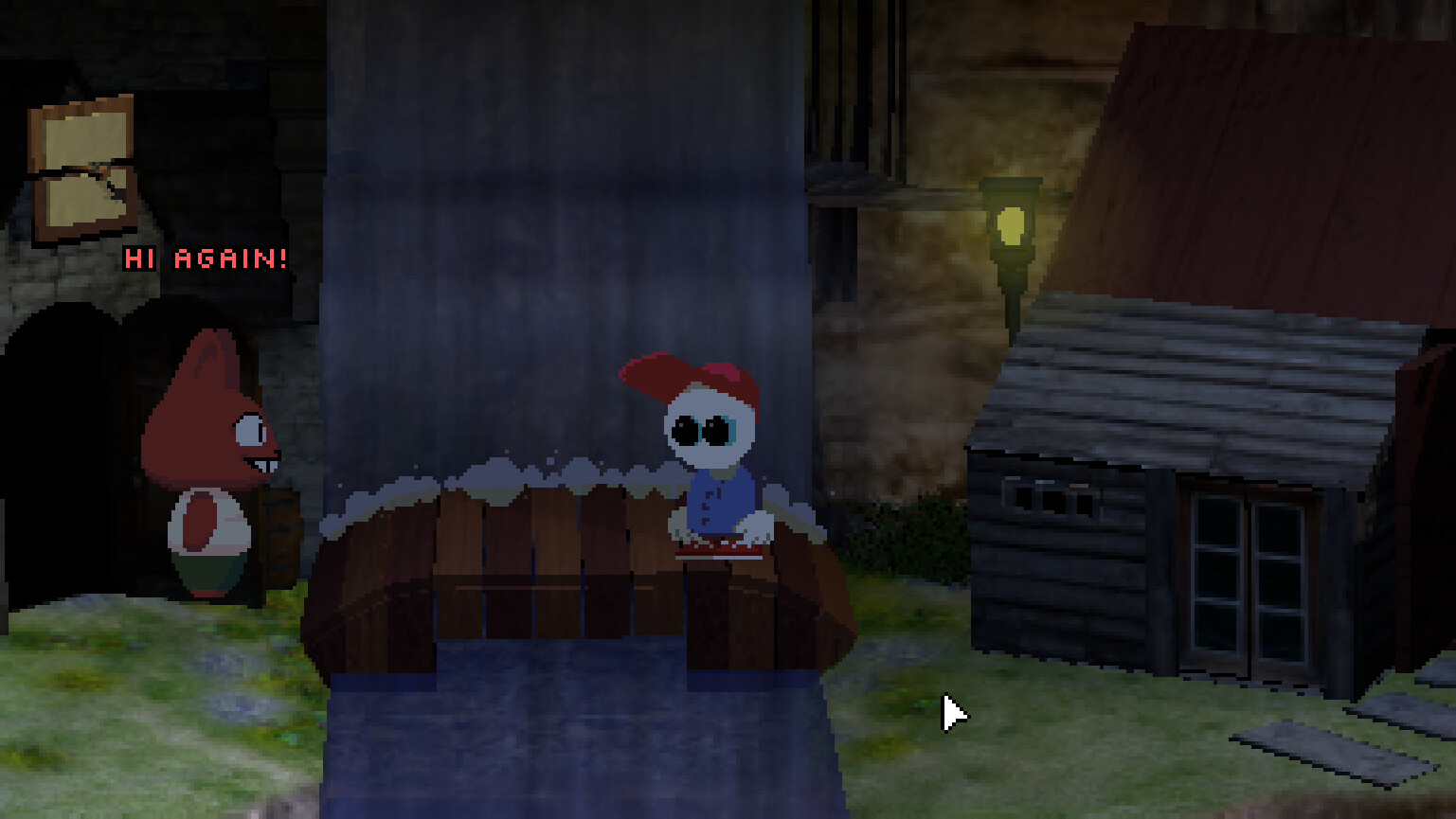
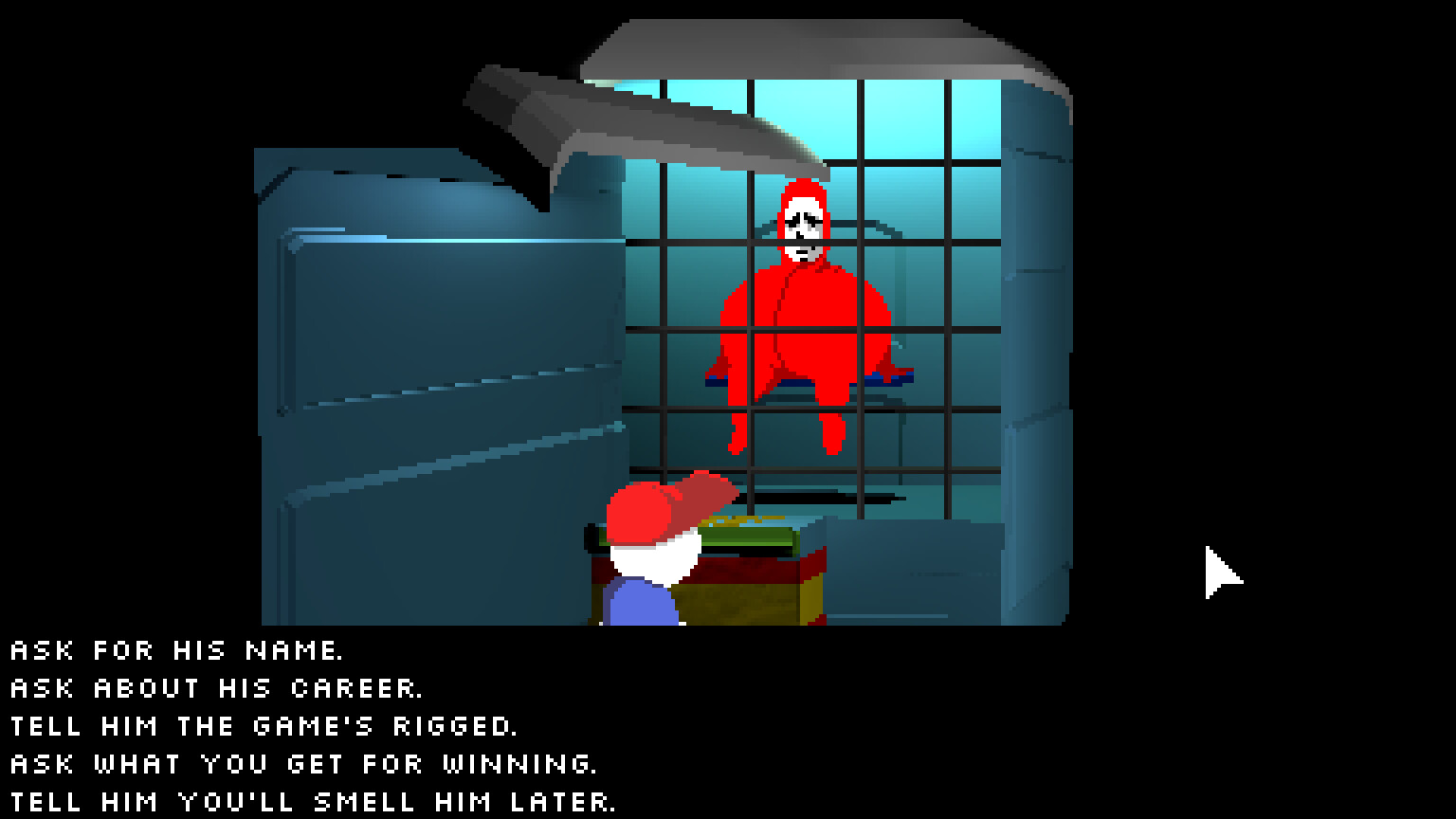
Endacopia’s world doesn’t operate on the rules you’d expect. It looks like a children’s game—the kind with bright colors, simple shapes, and characters that could star in a PBS show. But underneath that veneer, something is deeply, deliberately wrong. The house Mellow wakes up in is alive in ways that aren’t immediately obvious. Rooms shift. Objects watch you. The neighbors have opinions about your choices that range from mildly unsettling to genuinely disturbing.
The game gives you an open structure: explore areas in whatever order you want, talk to strange inhabitants, collect tools and junk, and uncover secrets that were probably better left hidden. There’s no hand-holding here. No quest markers, no objective log telling you exactly what to do next. You get a direction, a vague sense of what might help, and your own curiosity. It’s the kind of design that trusts the player, and it’s refreshing.
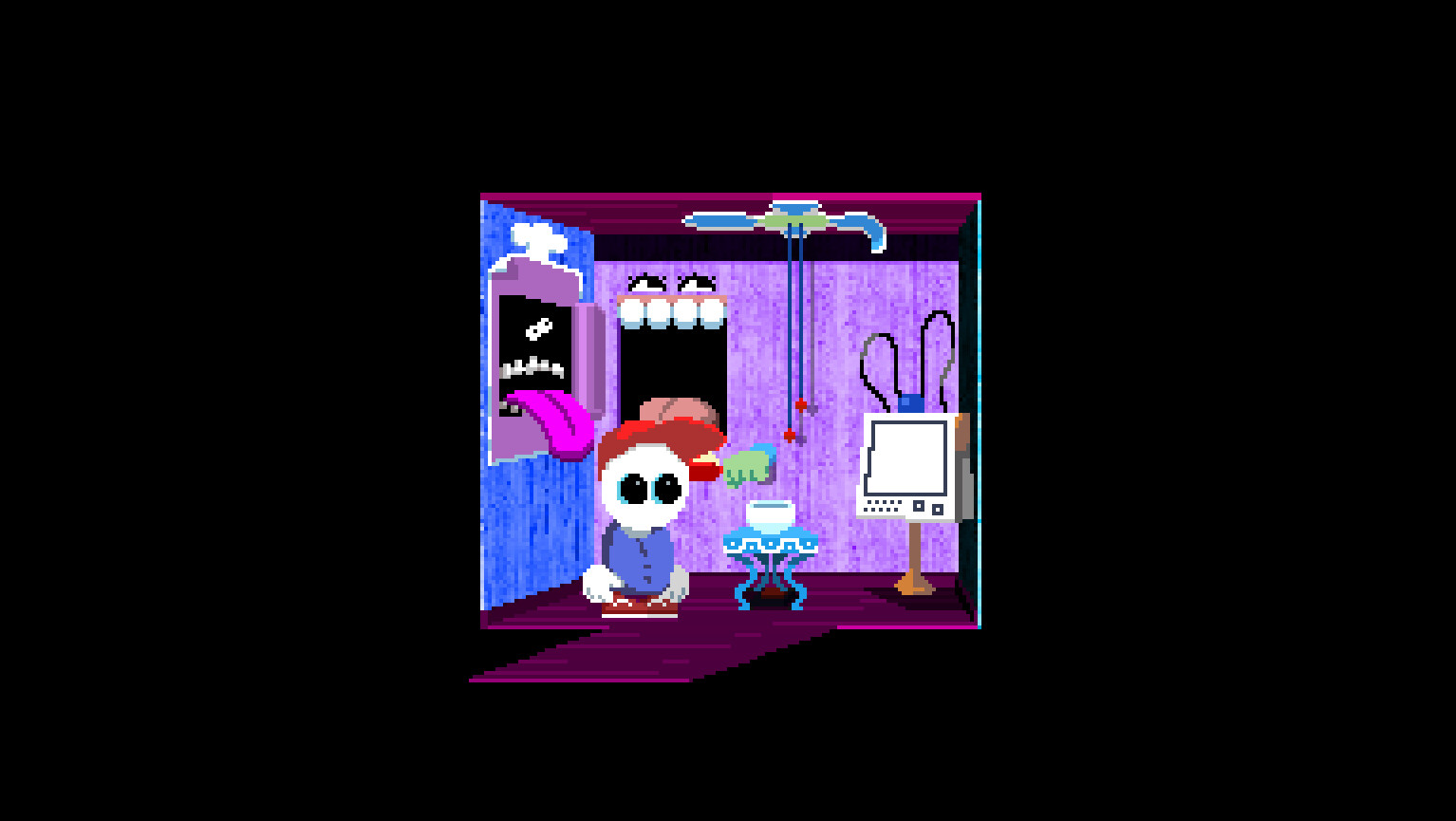
Guerrero’s background in animation shines through in every corner of the world. Background gags reward careful observation—a character doing something odd in the distance, a detail that only makes sense if you’ve been paying attention to the environment. The world feels alive not because it’s big, but because it’s dense with personality. Every room has something to discover, and the game never stops surprising you with what it’s hiding in plain sight.
Gameplay: Point, Click, and Survive
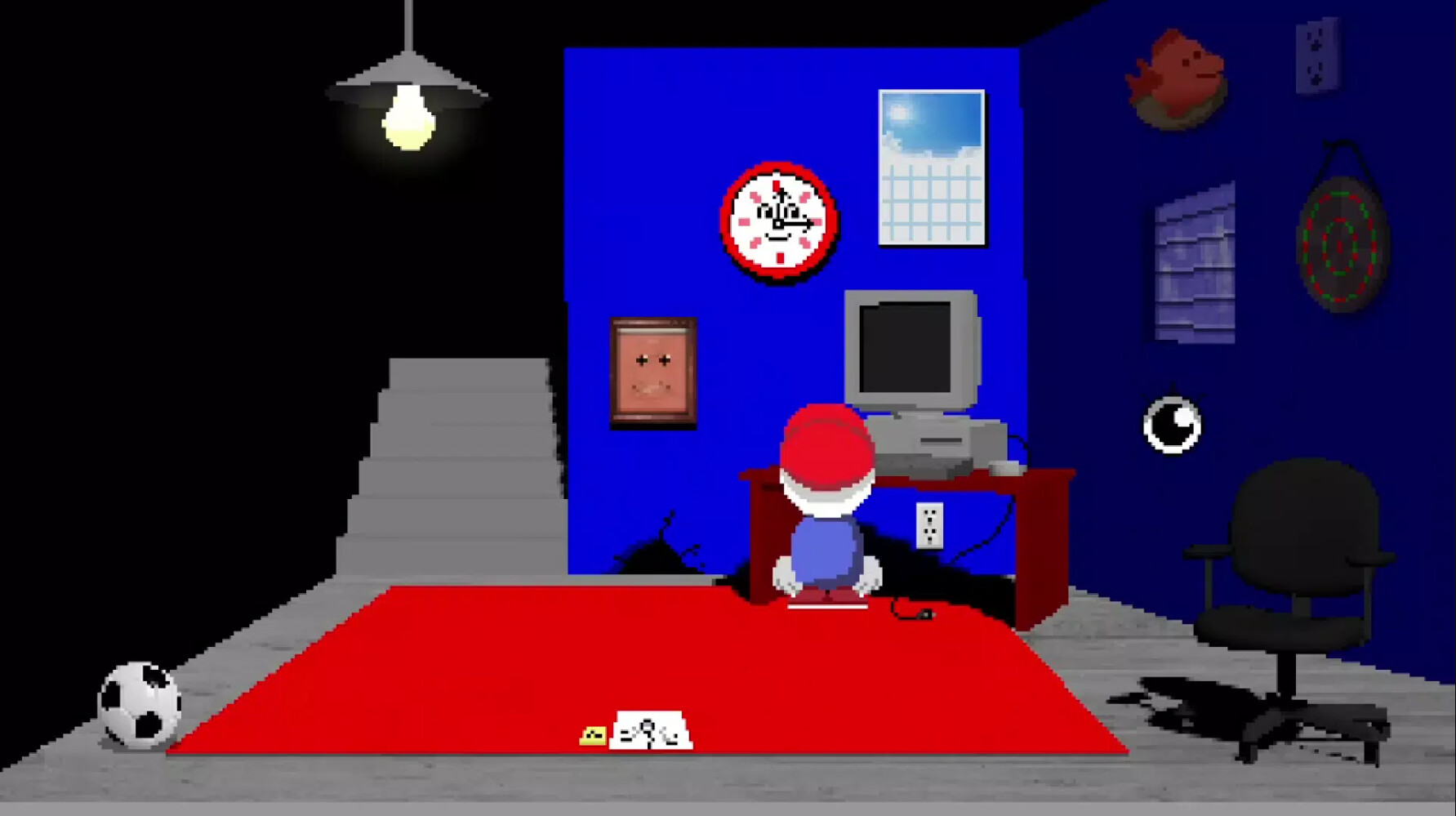
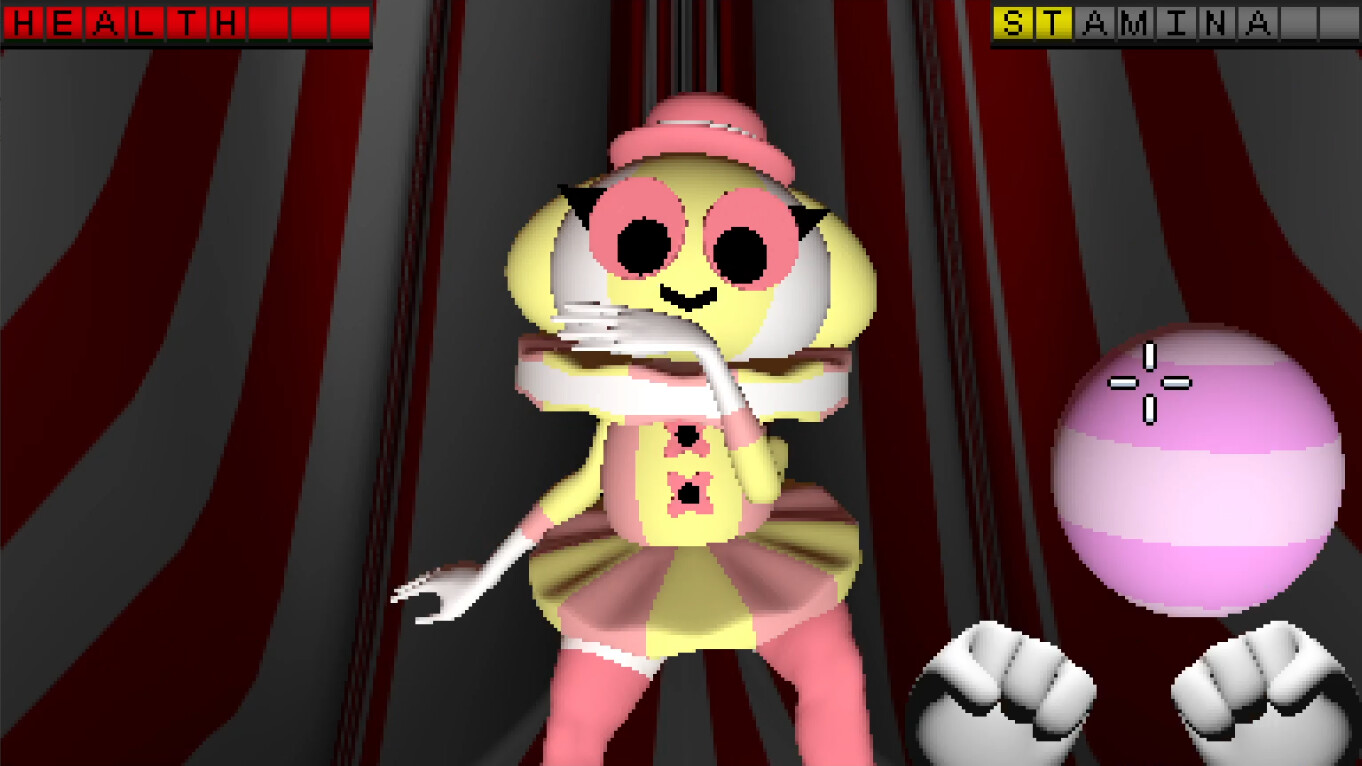
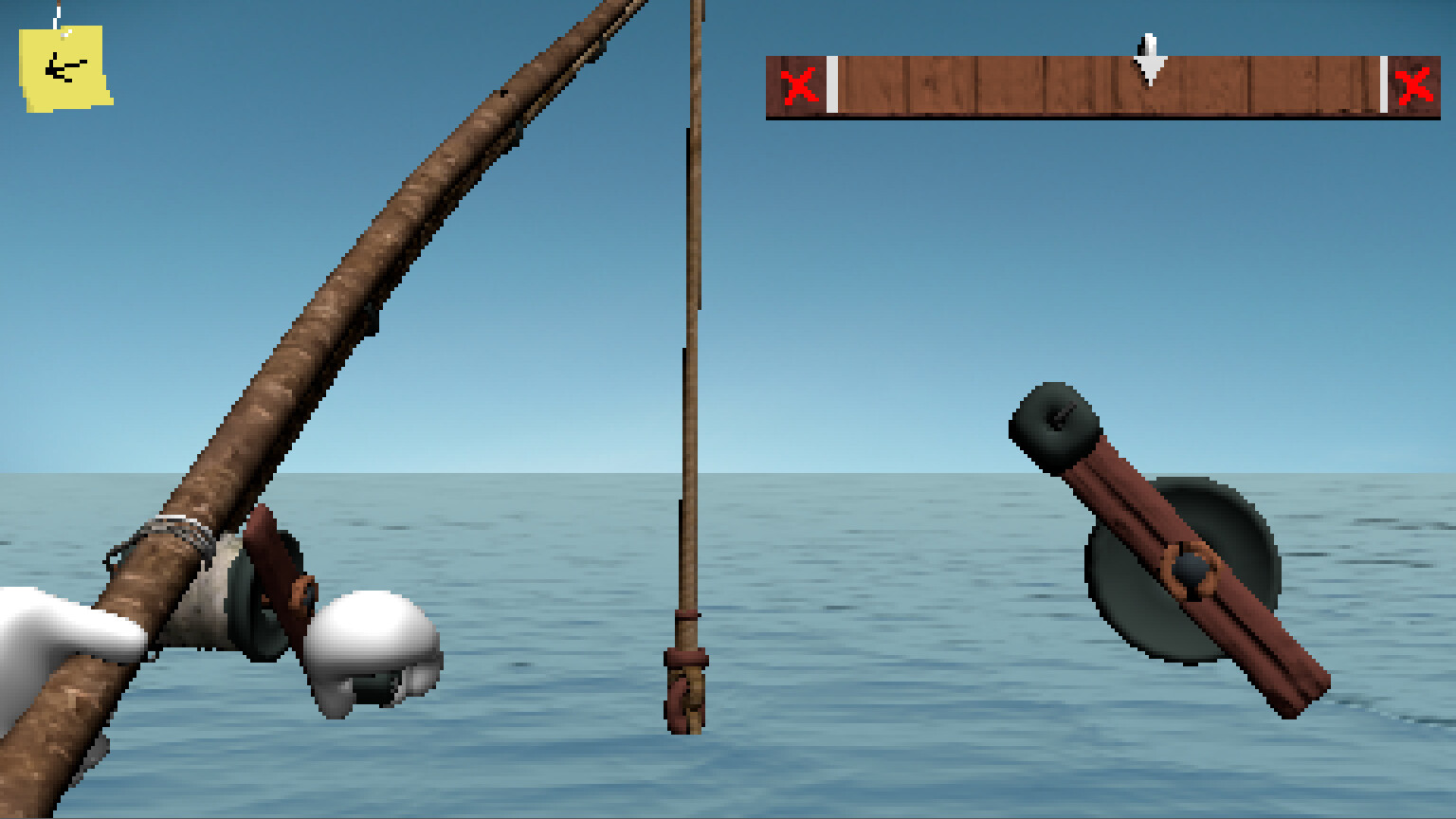
Calling Endacopia a “point-and-click adventure” is accurate but incomplete. Yes, you’ll spend a lot of time examining objects, combining items, and solving puzzles that require genuine lateral thinking. But the game also throws you into first-person combat encounters where you block, dodge, and punch monsters with your bare fists. It’s jarring in the best possible way—like a game that refuses to be just one thing.
The puzzle design is where Endacopia truly excels. The genre has always struggled with difficulty calibration: too easy and it feels patronizing, too hard and you’re reaching for a guide. Endacopia threads the needle. Most puzzles are solvable through observation and experimentation rather than obscure moon-logic. You’ll feel clever when you solve them, not frustrated. And when a puzzle does stump you, it’s usually because you haven’t explored somewhere else yet—the solution is hiding in another room, waiting for you to find the right tool or piece of information.
The combat, while simpler than the puzzle design, serves its purpose. It adds tension to exploration and gives weight to the game’s horror elements. You’re not a superhero here—you’re a kid with fists, and the things you’re fighting are bigger, faster, and meaner than you. Health and stamina bars appear at the top of the screen, and managing them becomes second nature after a few encounters. It’s not the deepest combat system, but it doesn’t need to be. It exists to keep you on edge, and it works.
Horror That Creeps Up on You
Endacopia doesn’t rely on jump scares—though it has a few. The real horror comes from atmosphere and implication. The game’s body horror, psychological tension, and disturbing imagery build slowly, layer by layer, until you realize you’re in something much darker than the cheerful visuals suggested. One moment you’re chatting with a friendly NPC, the next you’re staring at something that makes your skin crawl.
The contrast is the point. The game knows exactly what it’s doing when it pairs adorable character designs with genuinely unsettling content. It’s the same trick that makes mascot horror work, but executed with more intelligence and restraint than most games in that space. The horror never feels gratuitous—it serves the story and the world. You’re uncovering secrets that were meant to stay hidden, and the game makes you feel the weight of that discovery.
As one Steam reviewer put it: “Endacopia is a game where you walk through a bunch of interesting enough but barely connected set-pieces and sometimes there is a scare or two.” That’s a fair criticism from someone who didn’t connect with it—but for most players, those set-pieces are exactly the point. Each area is a self-contained experience with its own tone, puzzles, and surprises. The connections between them are thematic rather than mechanical, and that’s by design.
A One-Person Masterclass in Charm
It’s worth emphasizing what Endacopia represents: one person made this. Andrés Guerrero handled art, programming, sound design, and writing. Packtion composed the music. That’s it. And yet Endacopia has more personality, more visual inventiveness, and more genuine charm than games made by teams ten times the size.
The hand-drawn art style is gorgeous in its simplicity. Characters are expressive despite their minimal designs. Environments are packed with animated background details that reward careful observation. The lo-fi soundscapes create an atmosphere that’s equal parts cozy and creepy—you feel safe until you realize you shouldn’t. The writing is sharp, funny, and occasionally genuinely disturbing, hitting tonal shifts that more experienced studios would fumble.
This is the kind of game that makes you believe in the indie scene. Not because it’s trying to be the next big thing, but because it’s confidently, unapologetically itself. Endacopia doesn’t follow trends. It doesn’t chase market appeal. It exists because one person had a vision and the skill to execute it, and the result is something genuinely special.
Minor Bumps in the Road
No game is perfect, and Endacopia has a few rough edges. The opening hour is deliberately slow—some players have bounced off the game before it reveals its hand. The combat, while functional, can feel imprecise in tight spaces. A handful of players have reported performance issues on lower-end hardware, though the system requirements are minimal. And the game’s willingness to let you wander without clear direction means you might occasionally feel lost in a way that’s more frustrating than atmospheric.
These are real issues, but they’re minor in the context of what the game achieves. The slow start is intentional—it’s building atmosphere and teaching you how the world works. The combat is a supporting element, not the main attraction. And the freedom to explore is part of what makes the game special, even when it occasionally leaves you wondering where to go next.
Pros and Cons
Pros
- Brilliantly creative puzzle design that rewards observation and experimentation
- Gorgeous hand-drawn art with incredible attention to detail
- Atmosphere that builds from charming to genuinely unsettling
- Impressive variety—combat, puzzles, mini-games, and exploration all feel distinct
- One of the most unique and original games of 2026
- Incredible value at $16.50 USD
Cons
- Slow opening may lose impatient players before the game reveals its depth
- Combat can feel imprecise in enclosed spaces
- Open structure occasionally leads to aimless wandering
- Some minor performance issues on older hardware
SteamGamer Verdict
Endacopia is the kind of game that reminds you why you fell in love with video games in the first place. It’s weird, it’s creative, it’s scary when it wants to be, and it’s made with a level of passion and craft that puts most AAA releases to shame. Andrés Guerrero didn’t just make a game—he built a world that feels alive, unsettling, and utterly unique.
The point-and-click genre has been experiencing a quiet renaissance, and Endacopia is one of its finest entries. It takes the fundamentals of the genre—exploration, puzzle-solving, narrative discovery—and adds combat, horror, and a level of visual invention that elevates everything. It’s not for everyone—the slow start and open-ended structure will test some players’ patience—but for those who click with it, it’s an unforgettable experience.
At $16.50 USD, with a 99% positive rating from thousands of players, Endacopia is one of the easiest recommendations of the year. This is what indie games are supposed to be: personal, bold, and completely unlike anything else. Don’t let the cute visuals fool you. Endacopia has teeth.
Score: 9/10

Jordan Hayes covers PC gaming news, hardware, and the ever-changing Steam ecosystem for SteamGamer.net. He believes some of gaming’s biggest stories are hiding in patch notes, performance charts, and suspiciously quiet price changes. When he isn’t investigating what developers or GPU manufacturers are doing, he is probably starting another roguelike run he insists will be his last.






Comment here