
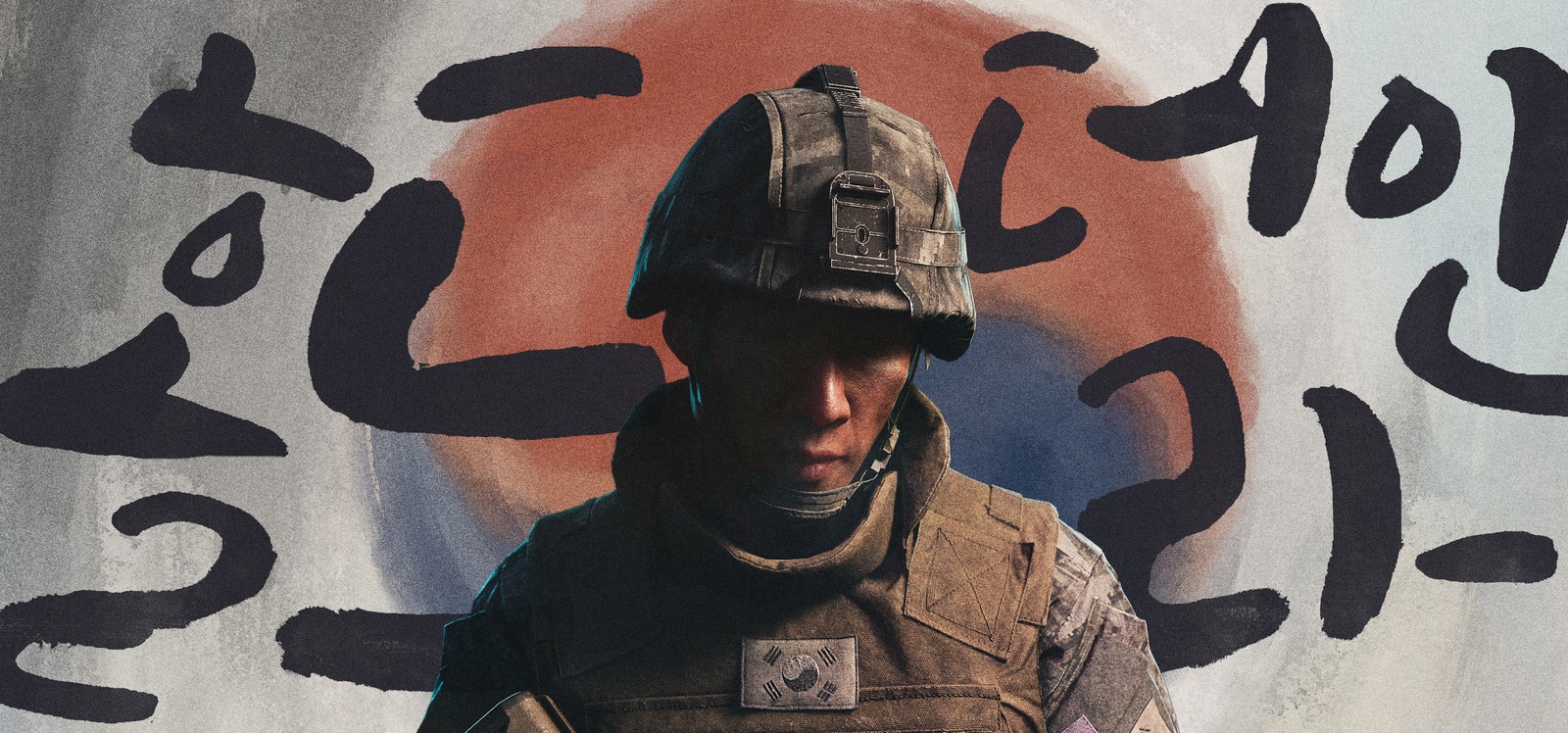
Two days after launch, Call of Duty: Modern Warfare 4 sits at Very Positive on Steam, with roughly 81% of its some 4,262 English-language user reviews recommending it — and the shape of that reception is already crystal clear. Players are calling the campaign the best the series has produced in years, and they are torching everything wrapped around it. That split is the whole story of this game. Infinity Ward and its partner studios have made a genuinely excellent military blockbuster that repeatedly trips over its own boots before you reach the good part, and at $69.99 USD the friction is part of the bill.
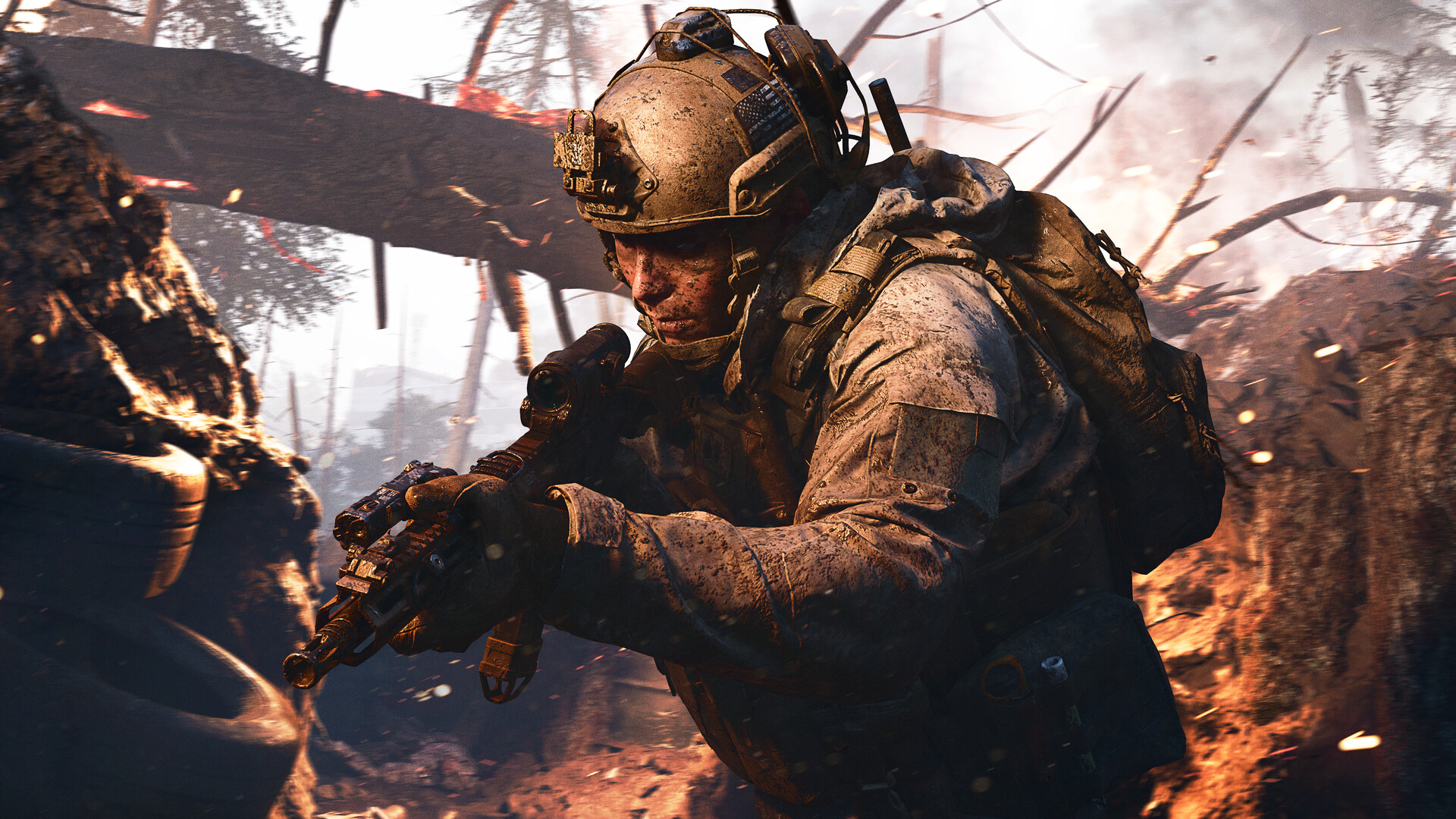
The premise is the rebooted Modern Warfare saga pushed toward its breaking point: war erupts on the Korean Peninsula as North Korea launches a full-scale invasion, a young squad of South Korean soldiers fights to survive on collapsing front lines, and half a world away a vengeful Captain Price wages a personal war from the shadows. The campaign drops you into trench warfare in Korea, close-quarters combat in New York, high-octane chases through Paris, SAS night raids in Mumbai, and city-wide assaults to reclaim occupied territory. What makes it land is the doubled perspective: you play Private Park, a rookie facing live combat for the first time, and Operator-turned-outlaw Price, and the seams where those two wars collide carry the drama.
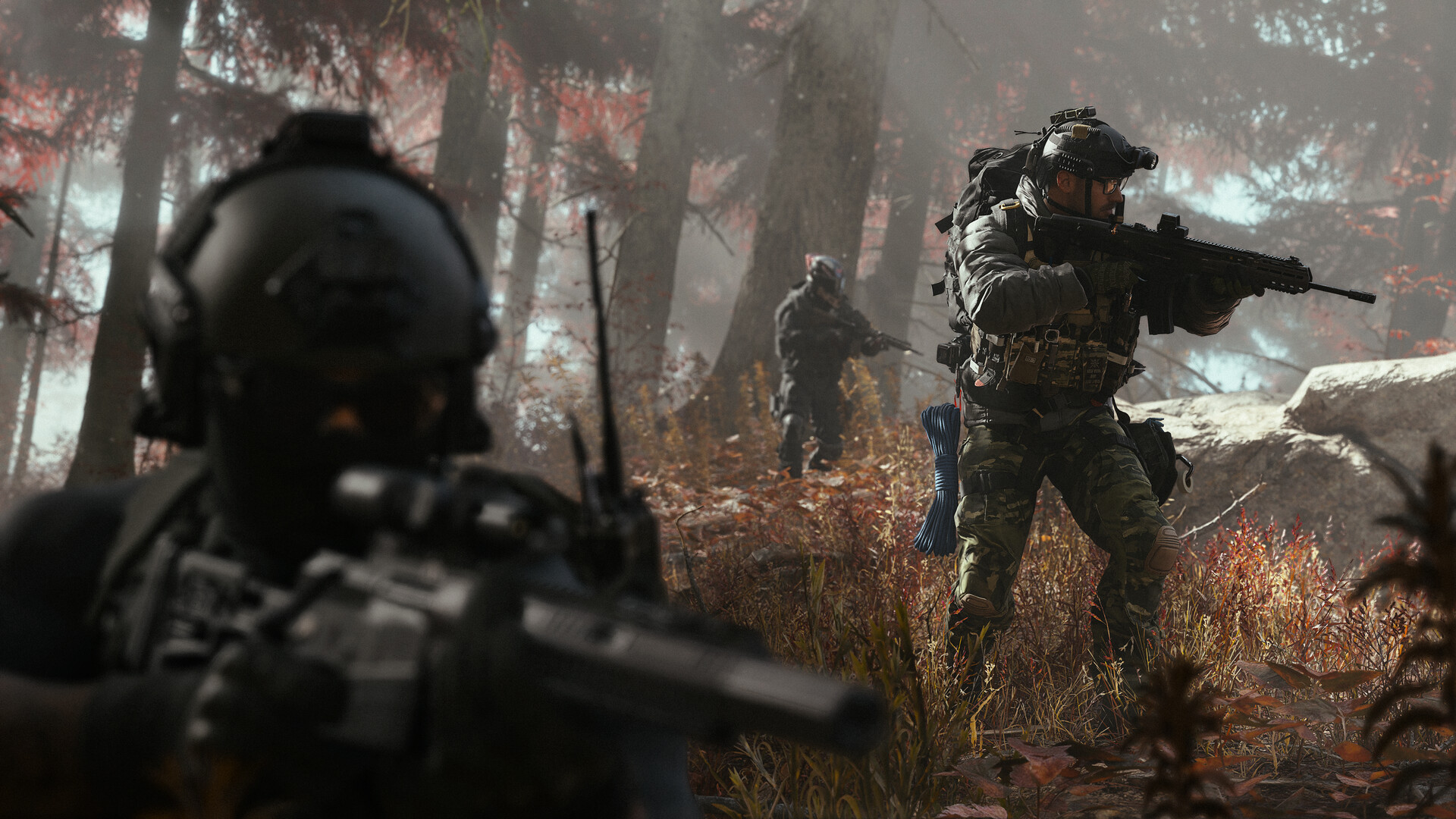
The early missions play like a deliberate throwback, and the community has noticed. The most-upvoted praise of launch week reads like a sigh of relief: “First good cod in a decade,” one returning player writes, calling out the frontline missions where “you’re just a regular private” alongside the operator missions as Price. The new faces work — squadmates like Cpl. Dunn and Reggie feel like soldiers with personalities rather than exposition kiosks, and the invasion’s staging grounds give the series a visual identity it has coasted without for a while. Mission design keeps re-rolling its dice: quiet recon, armored pushes, night infiltration, and a steady drip of set pieces that escalate without dissolving into noise.
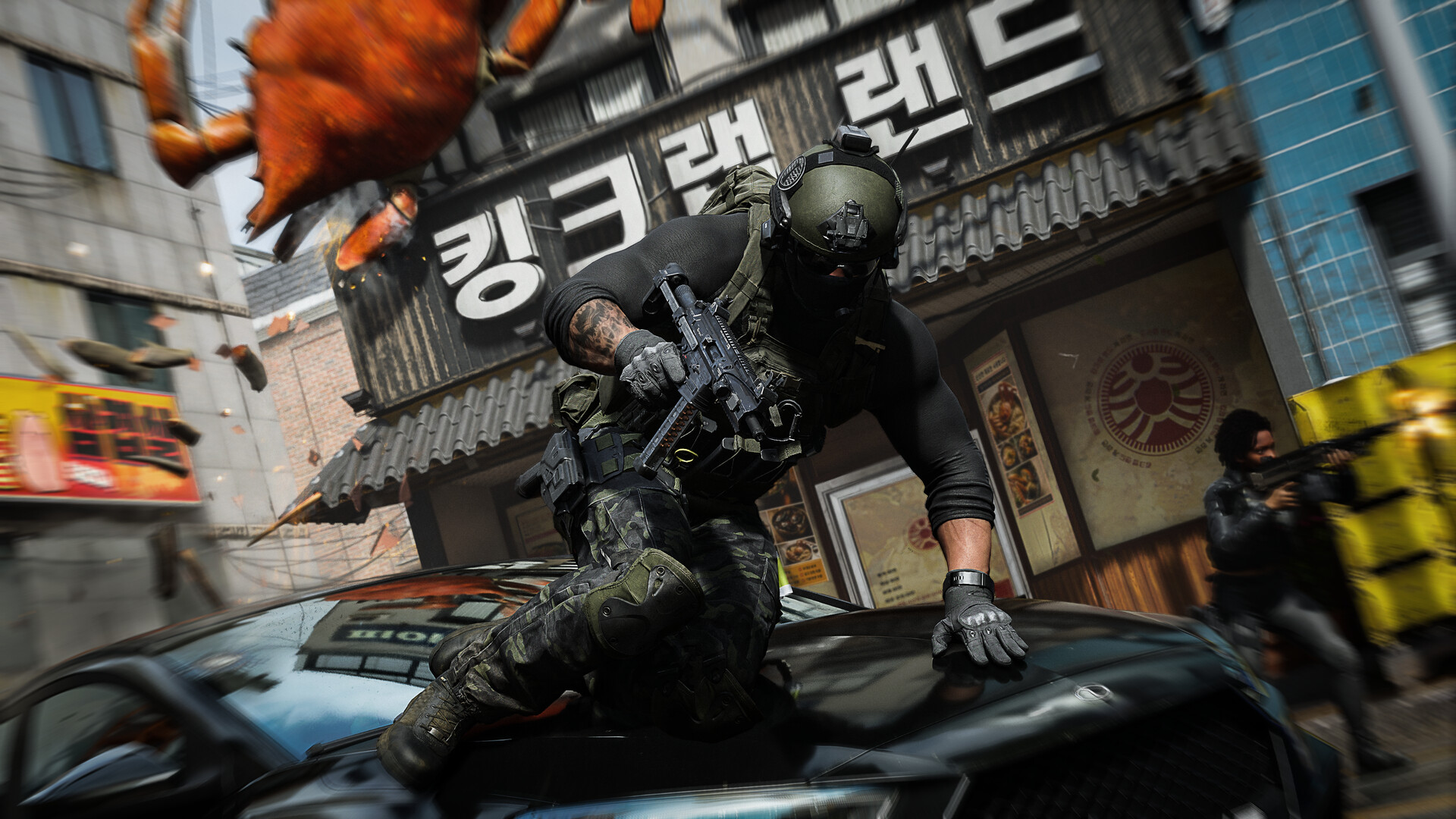
Not all of it sticks. The villains can’t match the campaign’s own momentum — “Archer” is menacingly staged but thinly written — and more than one player has flagged that a large share of the missions are graded so dark that the game’s brightness option feels like it went missing in the fog of war. It is a fair hit. The art direction is gorgeous in still frames and occasionally punishing in motion; several sequences ask you to read muzzle flashes in near-black rooms. But the core loop is the sharpest it has been since the 2019 reboot: gunplay with real weight, AI that flanks instead of feeding, and checkpointing that respects the difficulty spikes instead of resetting your evening.
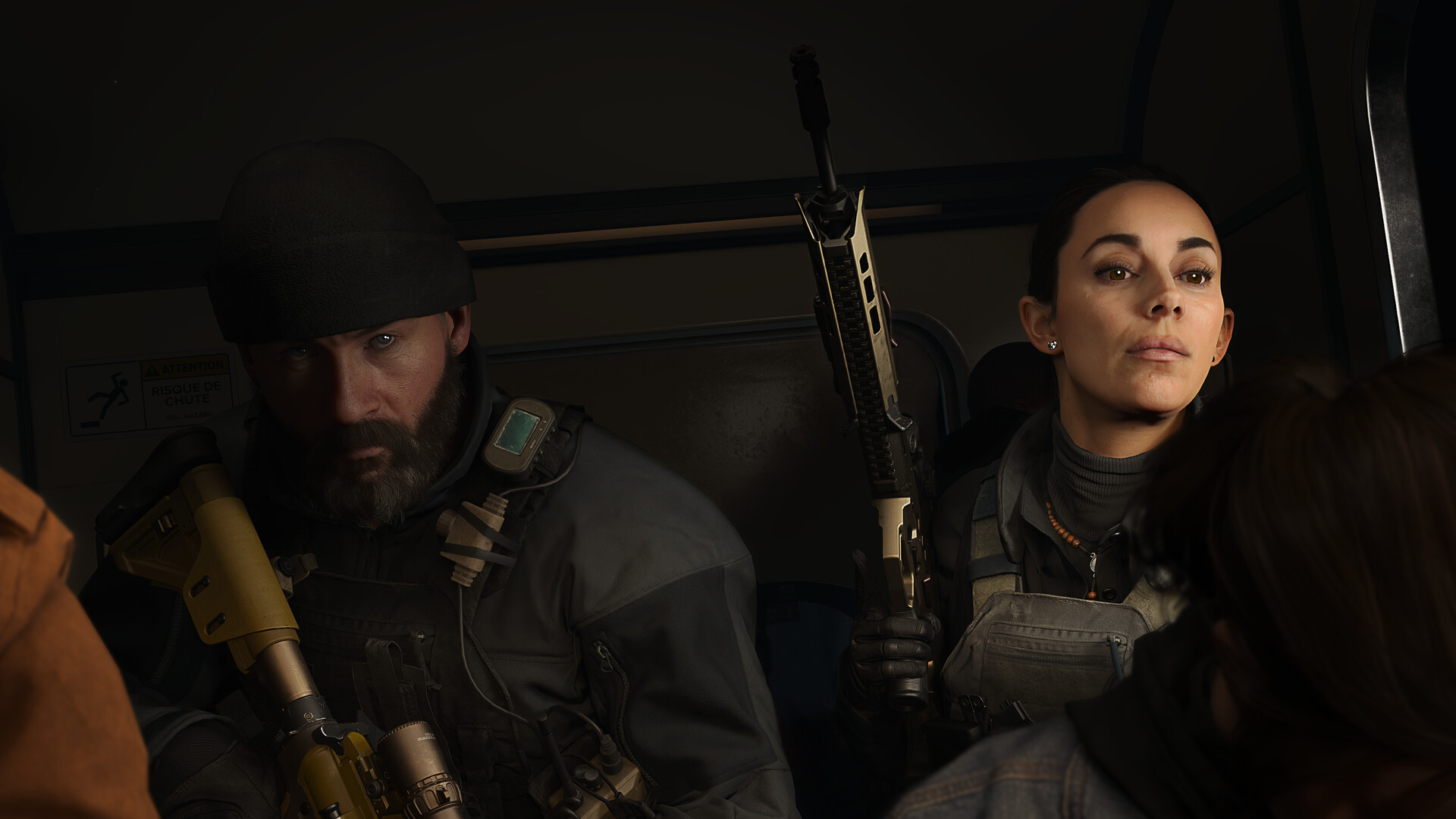
Performance on the presentation front is what you would expect from the package: one community breakdown of the campaign hands out 10/10 for voice acting and 9/10 for both mission design and the serious, consequence-heavy storytelling — the same reviewer still docked it for the platform baggage we will get to. The comparison players keep making is the 2019 game: “the best campaign since 2019 and probably even better than that,” one verdict runs. Having played through its beats as they were designed to be read — the collapsing Korean front, the personal Price operation, the collision course between them — that judgment holds. This is a story that knows exactly what it wants to do with a Captain Price who has finally run out of institutions to serve.
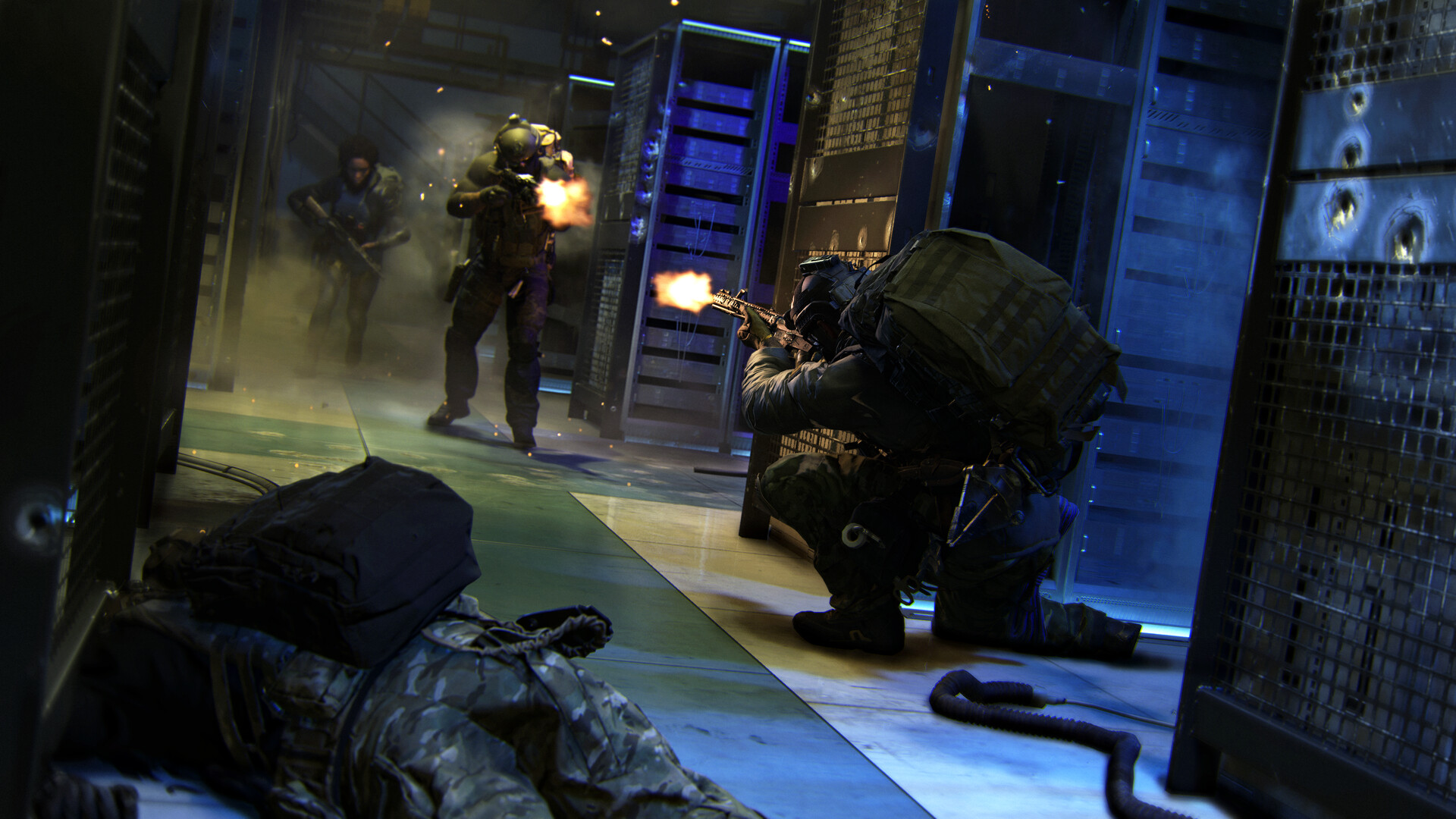
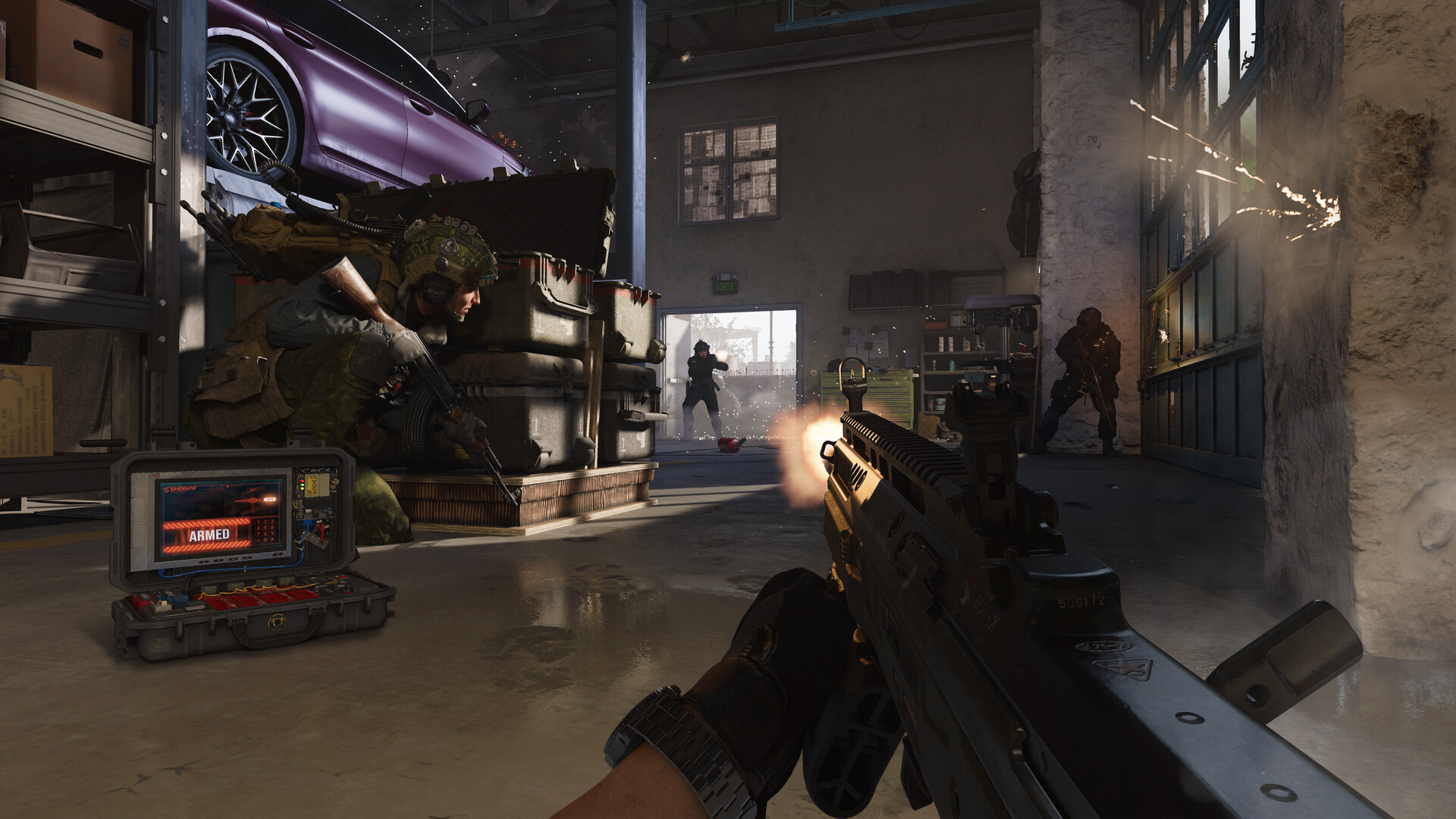
Multiplayer is where the reviews split into two armies. The launch package is generous on paper: 12 core 6v6 maps (with Shipment arriving shortly after launch on October 27), three large-scale 32v32 Ground War maps, four 2v2 Gunfight maps, and the modular Kill Block battleground supporting 3v3 and 10v10 Gunfight, plus the DMZ extraction mode. Gunfights feel precise and movement is fluid, but the balance conversation has already calcified around two words: aim assist. Mouse-and-keyboard players describe losing duels to controller users who snap through a 180-degree turn mid-spray; PC players cannot disable crossplay while console players can, which turns a balance argument into an options argument. Add the perennial skill-based matchmaking debate and launch-week map complaints, and the playlist discourse is louder than the playlist itself. Weapon tuning has live issues too — sniper flinch and hitbox complaints are already standard reading.
Then there is the PC onboarding, which is the single most common reason the negative reviews exist. Installing the game can mean a 160-plus-gigabyte download, a BIOS update, TPM and Secure Boot checks, and Activision’s attestation tester before multiplayer will unlock — one player reports a machine that passes every check they can find and still gets refused, while another describes “a game within a game within a game” thanks to the universal Call of Duty hub that insists on relaunching the thing you already launched. The refund clock does not care about any of this, and none of it is spelled out on the store page. It is an indefensible way to greet a purchase, and it is entirely the reason a multiplayer mode this mechanically confident is drowning in “Not Recommended” ballots that are really votes against the launcher.
Verdict
Call of Duty: Modern Warfare 4 delivers the best campaign the series has fielded since the reboot — a confident, character-driven war story with mission variety most shooters never attempt — and a multiplayer sandbox that is one balance patch and one options menu away from being excellent. What holds it back is everything around the game: a controller aim assist that flattens the mouse-and-keyboard skill gap, a PC security gauntlet that locks players out of modes they paid for, and a launcher architecture that treats owning Call of Duty as a lifestyle. If you are here for the campaign, it is an easy recommendation at $69.99 USD. If you are here for the ladder, wait for the fixes and the sale.
SteamGamer Score: 8.0/10

Dan Kowalski reviews games by listening to what they do before believing what they promise. He cares about responsive combat, purposeful sound design, satisfying movement, and whether a game respects the player’s time. Dan will forgive technical roughness when the underlying experience is exceptional. He will forgive almost anything for a brilliant combat system—but never a tutorial that refuses to stop talking.






Comment here