
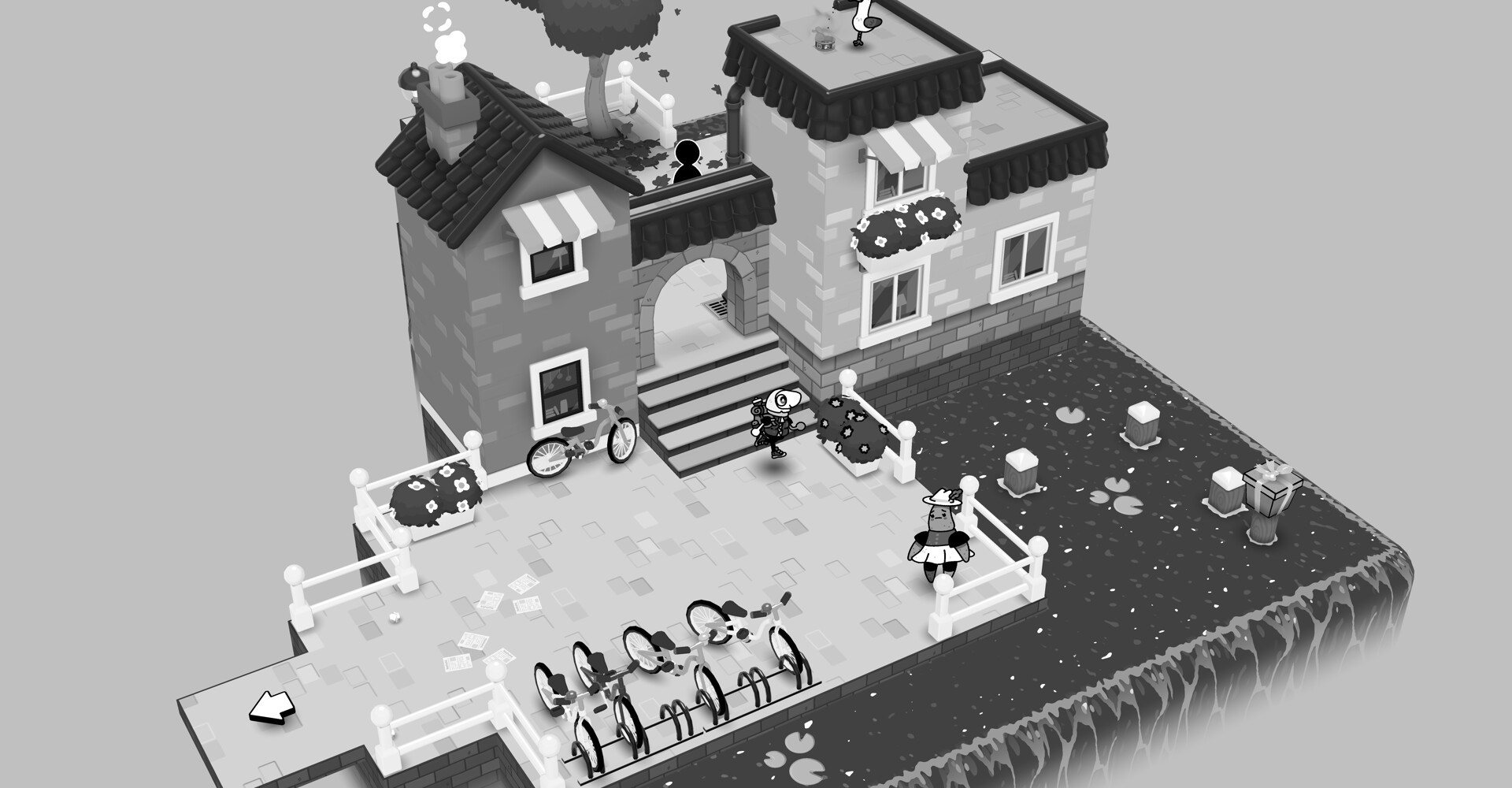
TOEM 2, the sequel to the beloved hand-drawn photography adventure, launches on Steam today at 9:00 AM EDT. Developer Something We Made returns with a bigger, more colorful world that invites players to pick up their camera and wander at their own pace.
The original TOEM earned a devoted following for its gentle, whimsical charm—a game where the simple act of snapping photos to help quirky characters felt deeply rewarding. TOEM 2 builds on that foundation with new environments, upgraded camera mechanics, and a expanded cast of memorable characters to meet along the way.
Players once again step into the shoes of a curious photographer, this time spurred on by a newly awakened passion for discovering mysterious “events” known as TOEMs. The journey takes you through brand-new cozy environments packed with hidden paths, scenic viewpoints, and small details that reward curiosity. A upgraded camera system adds new attachments that let you interact with the world in fresh ways, turning your lens into a versatile tool for puzzle-solving and exploration.
The sequel also deepens the social simulation. You’ll encounter a fresh roster of quirky characters and adorable critters, lend them a hand, and build lasting friendships. Your journal fills with stamps as you complete quests and document discoveries, each one unlocking access to the next region in the game’s gently expanding world.
True to the series’ spirit, TOEM 2 is built to be experienced at your own pace. There are no time limits or punishing requirements—just the freedom to listen to music on a bench, smell the flowers, and enjoy the sights. The black-and-white art style returns with added color moments, maintaining the distinctive aesthetic that made the original so visually striking.
TOEM 2 launches on Steam for Windows, macOS, and Linux. The game supports Steam achievements and full controller support.

Dan Kowalski reviews games by listening to what they do before believing what they promise. He cares about responsive combat, purposeful sound design, satisfying movement, and whether a game respects the player’s time. Dan will forgive technical roughness when the underlying experience is exceptional. He will forgive almost anything for a brilliant combat system—but never a tutorial that refuses to stop talking.







Comment here