
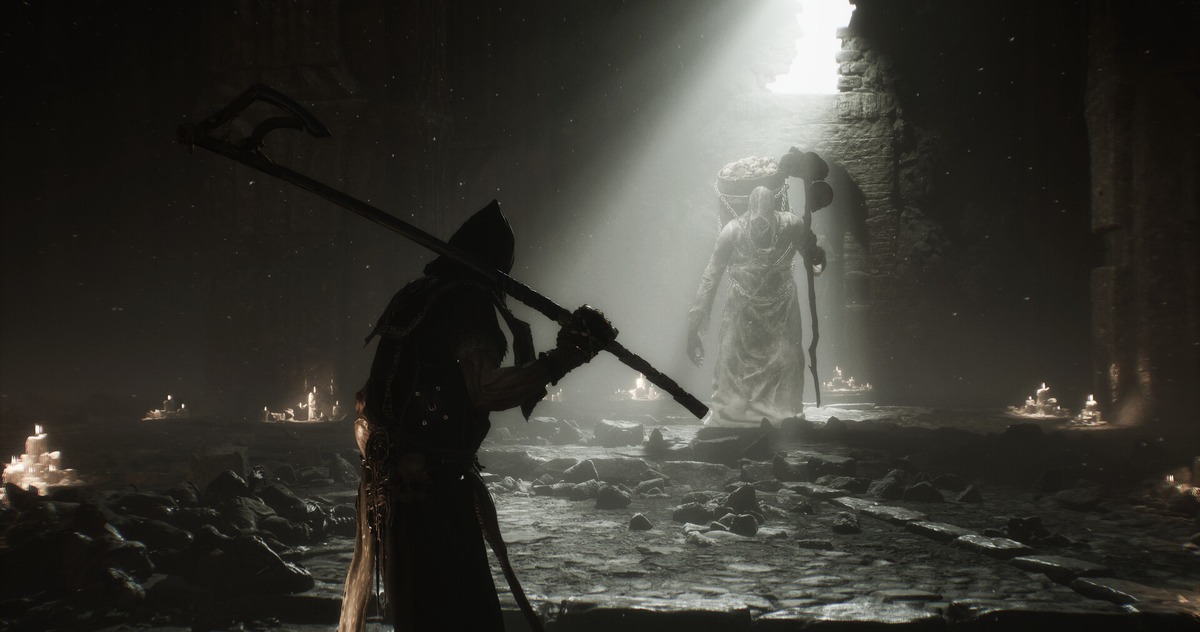
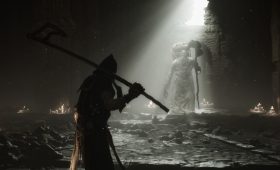
Mortal Shell II, the standalone sequel to Cold Symmetry’s 2020 Souls-like action-RPG, officially launches today on Steam. Published by Playstack, the new entry delivers a significantly expanded experience built around unrestricted combat, an interconnected open world, and eight playable Shells to discover and master.
nn
The original Mortal Shell earned a devoted following for its streamlined approach to the Souls-like formula. Instead of sprawling leveling systems, players possessed fallen warriors known as Shells, each with distinct stat distributions and unique abilities. Mortal Shell II builds on that foundation by doubling the number of Shells to eight, each carrying their own lore and combat style, and by removing the stamina bar entirely.
nn
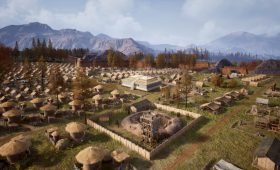
Combat in Mortal Shell II rewards aggression and tactical awareness over endurance management. Players can shatter enemy posture to open devastating critical strikes, and the addition of ranged sidearms and extensive weapon upgrade paths gives the sequel a layer of strategic depth the original lacked. The open world, while compact by open-world standards, is densely packed with hidden paths, optional encounters, and lore scattered throughout its crumbling landscapes.
nn
Cold Symmetry has also modernized the technical side of the experience. Mortal Shell II requires an SSD and runs on DirectX 12, with recommended specs calling for an RTX 2060 Super or RX 6600 and 16 GB of RAM. The minimum requirements list a GTX 970-class GPU, making the game accessible to a wide range of PC hardware while still pushing visual fidelity well beyond the original.
nn
For Steam players who pre-ordered the Devout Edition, Advanced Access began earlier this week, granting up to 72 hours of early playtime with bonus Obsidian Shell skins. The standard edition is now available at launch for $49.99 USD.
nn
Mortal Shell II is available now on Steam. You can find the official store page at store.steampowered.com and learn more at the developer’s official site at coldsymmetry.com.

Lena Nakamura begins every review with one question: what is this game doing that nobody else would attempt? She covers roguelikes, narrative experiments, striking art direction, and games willing to risk failure in pursuit of something original. Familiar ideas do not bother her, but safe execution does. If a game is beautiful, strange, and slightly impossible to explain, Lena is already interested.







Comment here