
The Godot Foundation just made a bold move: they’re cracking down on AI-generated contributions to one of indie gaming’s most popular open-source engines. And honestly? It’s about time.
For those who haven’t been following the drama, Godot has been absolutely drowning in pull requests — the code submissions that volunteers review before anything gets added to the engine. The backlog was already a running joke within the community, but when AI-powered coding tools like ChatGPT and Copilot started making it dead easy for anyone to generate code, things got out of hand fast.
The Foundation didn’t mince words in their new contribution policy blog post. They called the influx of AI-generated submissions “low-effort slop” and pointed out that the whole system was starting to break down. Volunteers who normally spend their free time reviewing code and mentoring newcomers were burning out — not because the work was hard, but because they were spending hours reviewing code that a machine had churned out in seconds.
Here’s the real kicker: when you leave feedback on an AI-generated pull request, there’s nobody home to learn from it. The whole point of Godot’s volunteer ecosystem is that experienced maintainers help new contributors grow. That mentorship loop is the backbone of the project. If your feedback is going into a void where a chatbot will just regurgitate a slightly different version next time, what’s the point?
The new rules are pretty straightforward. AI agents are completely banned from submitting code. Developers can still use AI for small tasks like code completion or regex helpers, but anything substantial has to be written by human hands. And if you did use AI at all, you have to disclose it. Oh, and no more sending AI-generated messages to maintainers — they want to talk to actual humans, which, fair enough.
This puts Godot in a fascinating position compared to Epic’s Unreal Engine 6, which is going all-in on generative AI integration. Epic CEO Tim Sweeney has been vocal about wanting devs to use AI tools freely, and has even pushed back against Steam’s AI disclosure requirements. Two engines, two completely opposite philosophies.
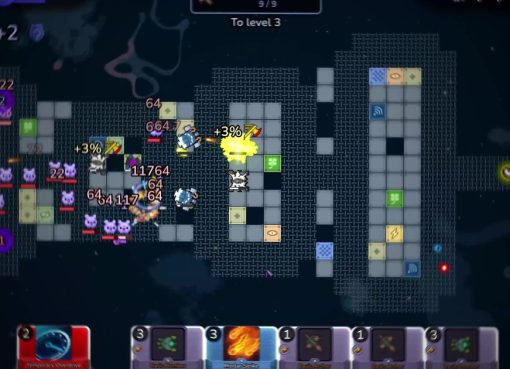
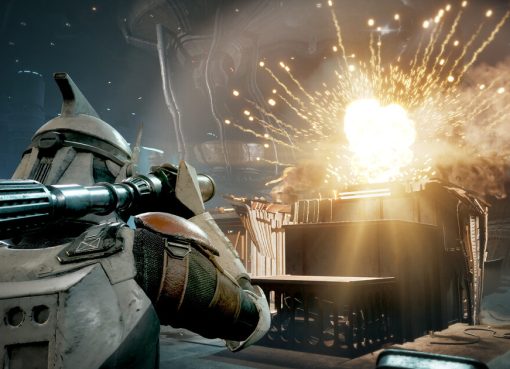
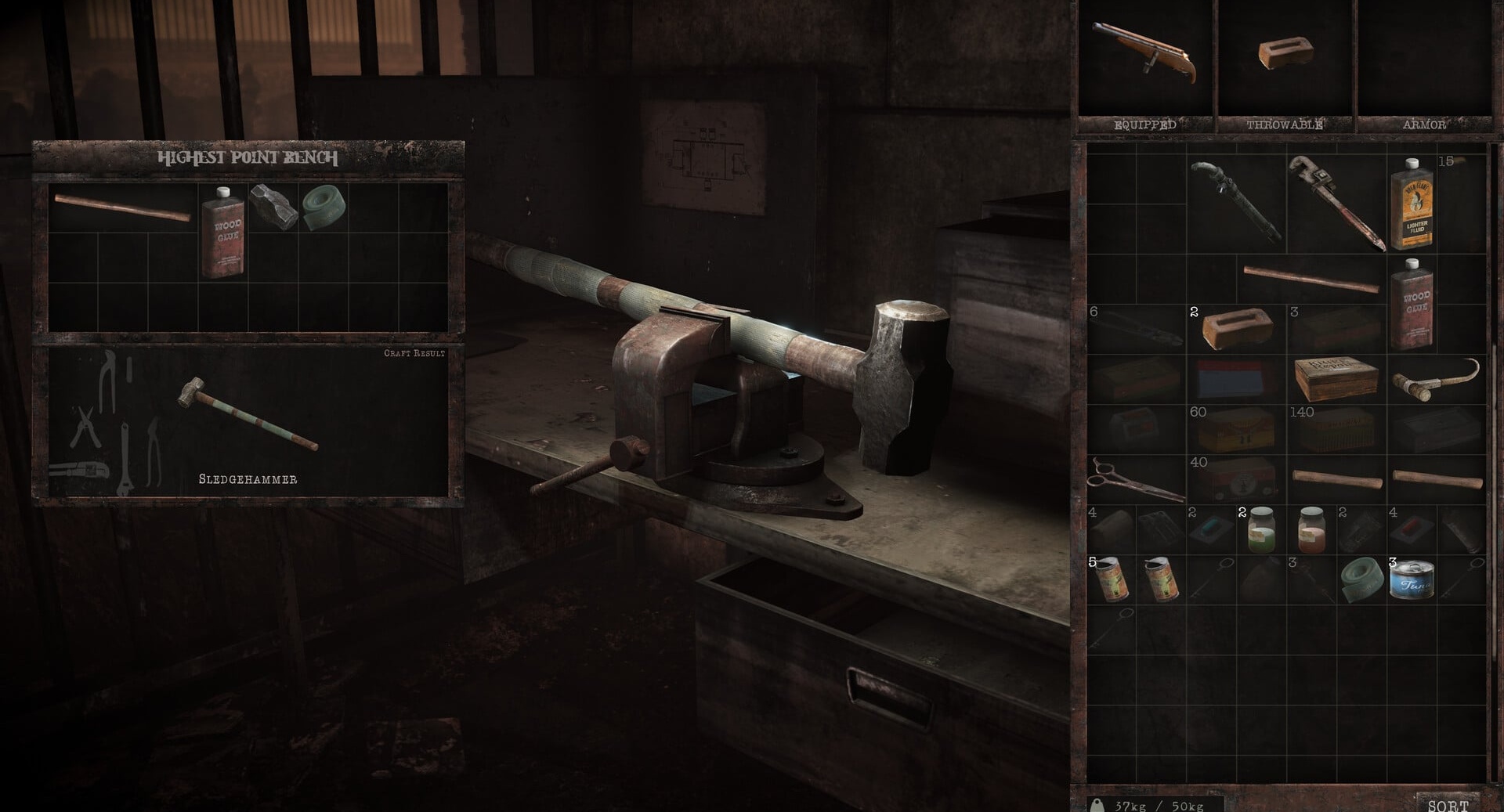
For the average gamer, this probably doesn’t change much right now. But Godot powers some seriously cool indie games — Slay the Spire 2, Buckshot Roulette, Cruelty Squad, and a bunch of other weird and wonderful projects. The quality of the engine directly impacts how well those games run and what developers can build with it.
The bigger question is whether other open-source projects will follow Godot’s lead. As AI coding tools get more powerful, the tension between easy contributions and quality control isn’t going away anytime soon. Godot just drew their line in the sand.
Whether you think this is a necessary step to protect open-source development or an overreaction to a problem that’ll sort itself out, one thing’s clear: the age of AI slop flooding community projects has officially gotten pushback from one of the biggest names in indie game development.

Jordan Hayes covers PC gaming news, hardware, and the ever-changing Steam ecosystem for SteamGamer.net. He believes some of gaming’s biggest stories are hiding in patch notes, performance charts, and suspiciously quiet price changes. When he isn’t investigating what developers or GPU manufacturers are doing, he is probably starting another roguelike run he insists will be his last.













Comment here