
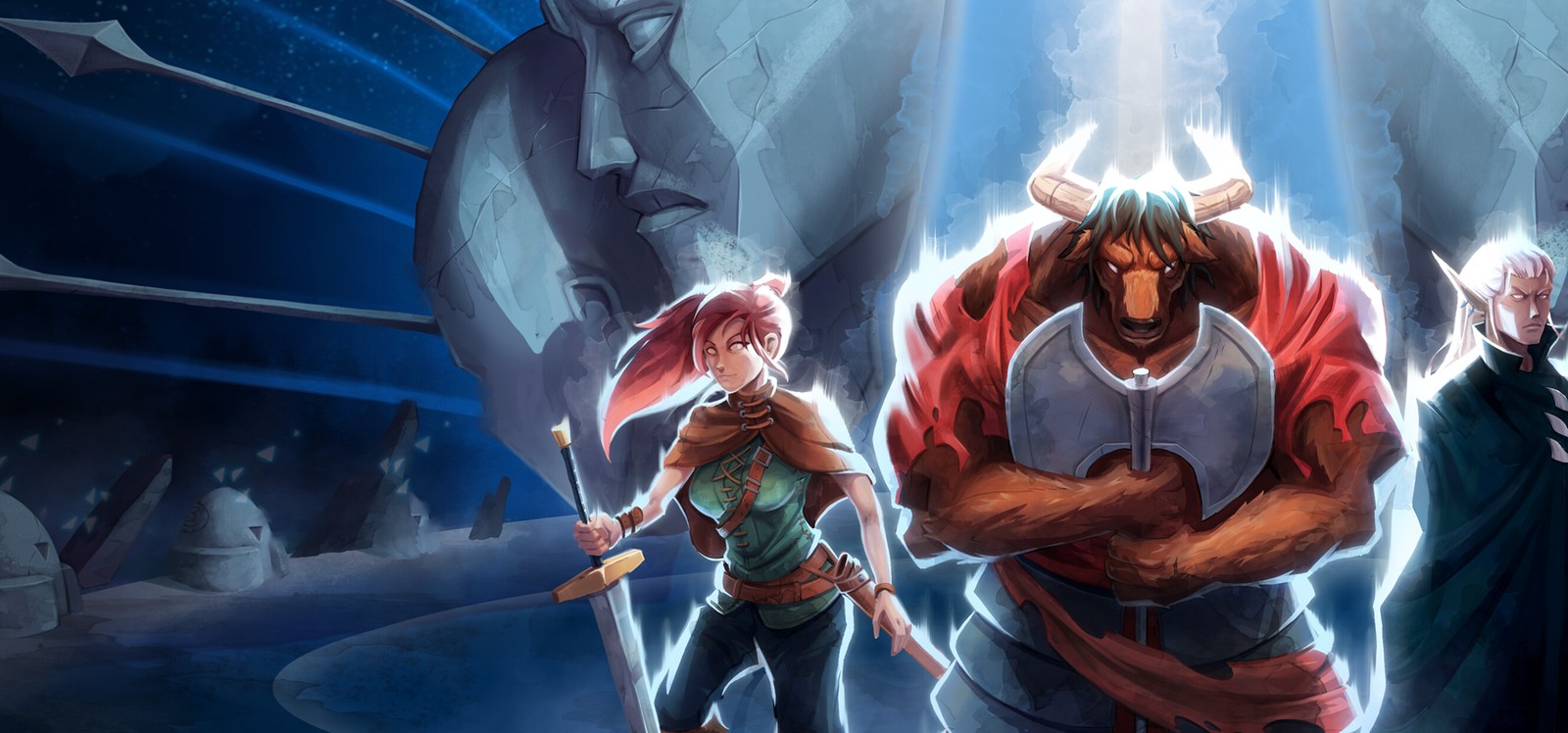
There’s a particular kind of audacity that comes with being a small studio tackling a first project that borrows from every successful RPG of the last two decades. Dimraeth doesn’t just invite comparison to the greats — it practically rolls out the red carpet for them. Souls-like combat. Base building. Co-op for up to eight. A sprawling skill tree that could make Path of Exile players weep with recognition. Mudtek, a studio that formed in late 2022, looked at the entire action RPG landscape and decided to cram all of it into a single pixel-art fantasy world. The sheer nerve of it is almost admirable. The question isn’t whether Dimraeth is ambitious — it’s whether that ambition has somewhere solid to land.
Dimraeth officially entered Steam Early Access on September 15, 2026, and in its first hours, the response has been largely positive. With 51 reviews sitting at 84% positive, the community consensus so far is clear: there’s a genuinely good game hiding inside this overstuffed package. The combat feels deliberate and satisfying. The world is handcrafted rather than procedurally generated. The character creation system offers a staggering 48 starting archetypes. But the Early Access label is doing a lot of heavy lifting here, and the cracks in the foundation — clunky movement, a sluggish opening hour, and dialogue that sometimes reads like it was written by someone who’s only heard of storytelling — remind you that ambition and execution are two very different things.
A Fantasy World That Earns Its Pixels
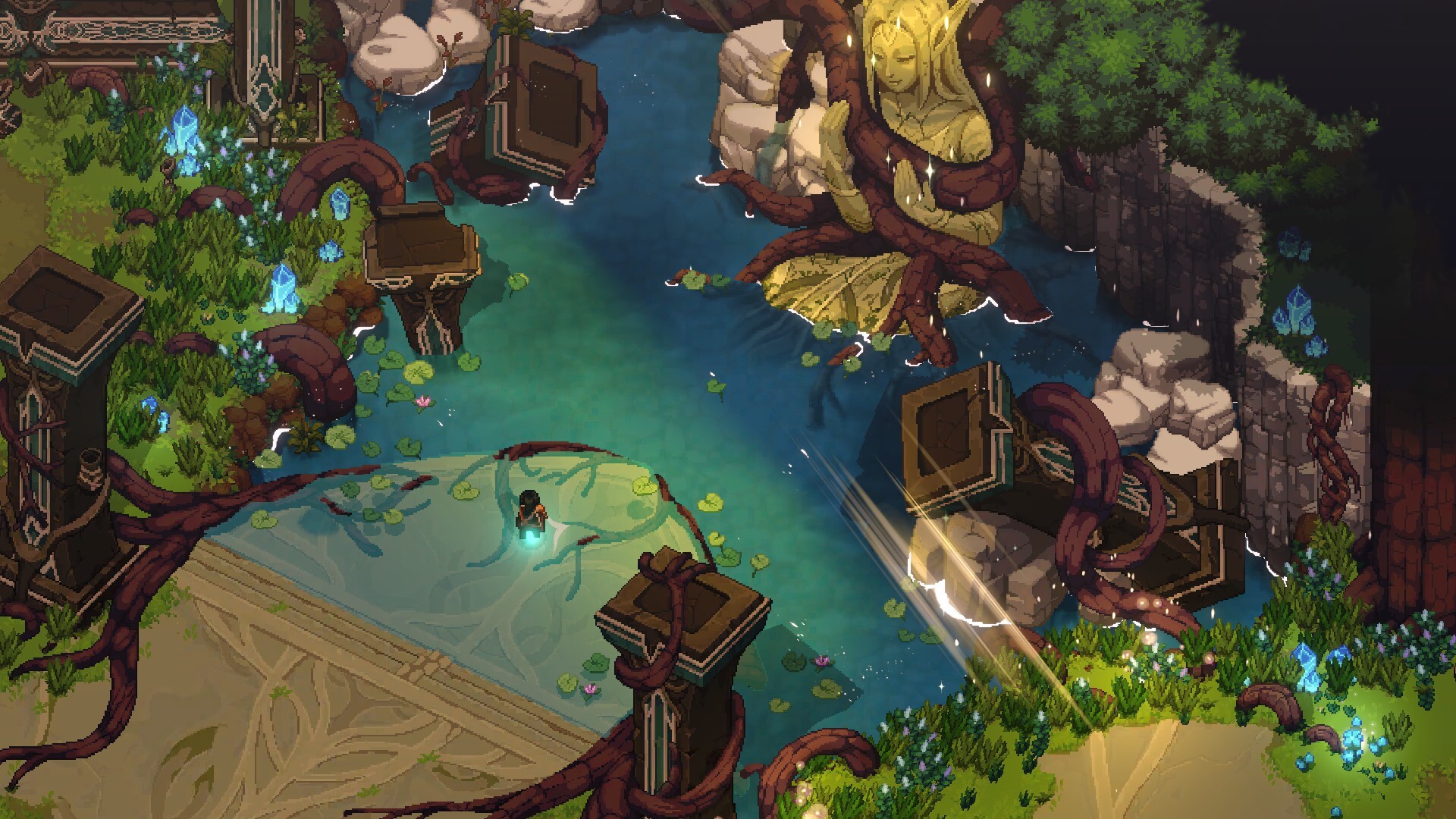
Dimraeth takes place in Mirkea, a fantasy realm slowly being devoured by corruption. The central conflict revolves around Sylbos, the Last of the Ogre Magi, who seeks to claim an ancient power connected to the world. Your character survives a failed ritual that grants them a mysterious second life and abilities they don’t fully understand. From there, the wizard Faustas pulls you into a much larger conflict involving the free peoples of Mirkea and the dark forces pulling strings from the shadows.
The story is functional rather than captivating. Dialogue options give you some agency over how your character interacts with NPCs, but the writing frequently stumbles into territory that feels generic — or worse, formulaic. Some players have noted that certain dialogue exchanges read as though they were generated rather than crafted, and honestly, the suspicion isn’t unfounded. The lore exposition is persistent and can feel more extensive than necessary, especially when it interrupts gameplay with text walls that don’t quite justify the pause.
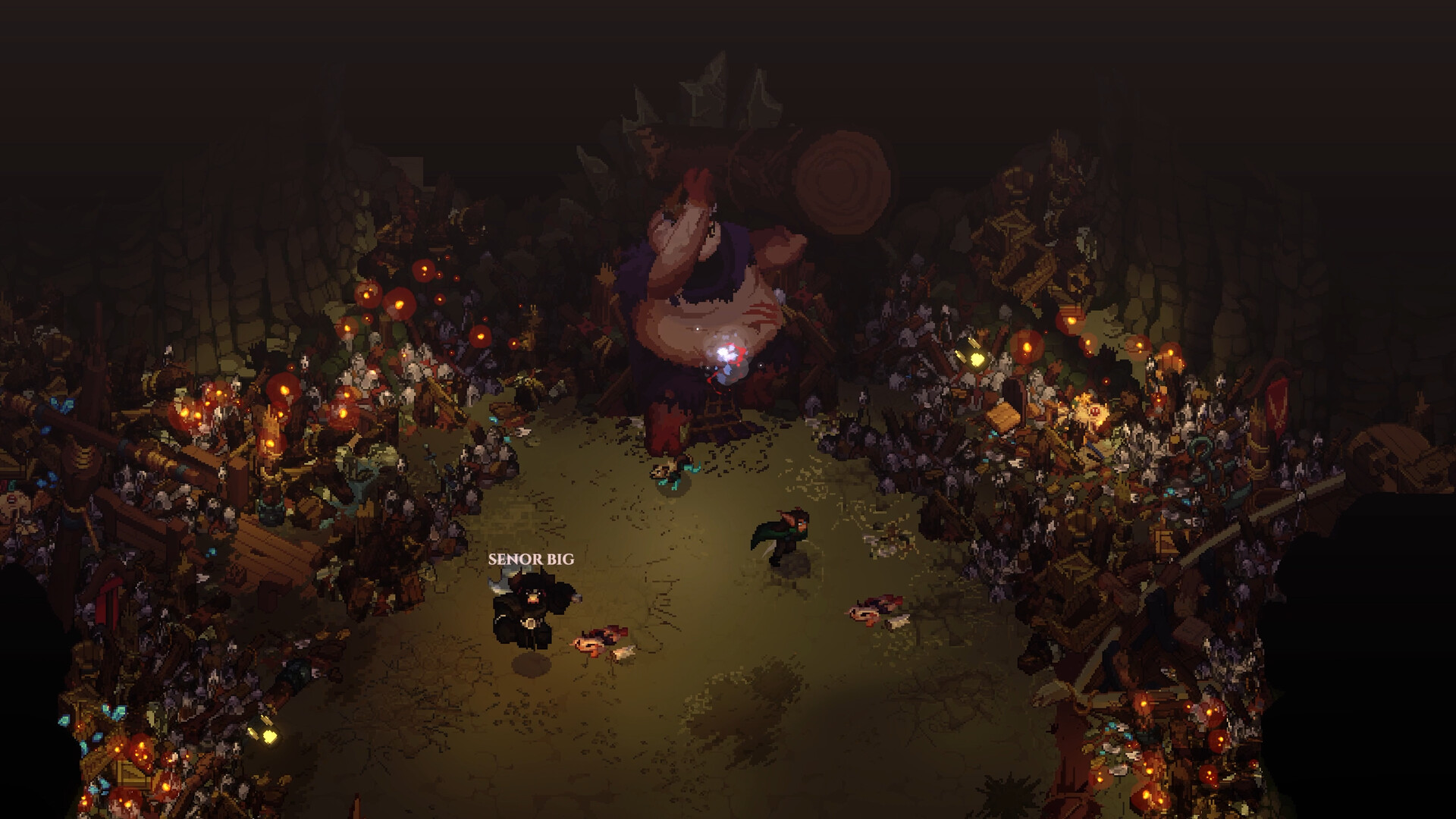
What saves the narrative is the world itself. The Early Access build takes you through locations including the Lost Caverns, Earlwood Village, and Wildwood Forest, and these areas have a handcrafted quality that rewards exploration. There’s a genuine contrast between dangerous wilderness areas full of hostile creatures and peaceful settlements where NPCs, crafting stations, and farming plots take over. That rhythm — tension and release, danger and home — is one of Dimraeth’s most compelling structural strengths.
Combat That Demands Your Attention
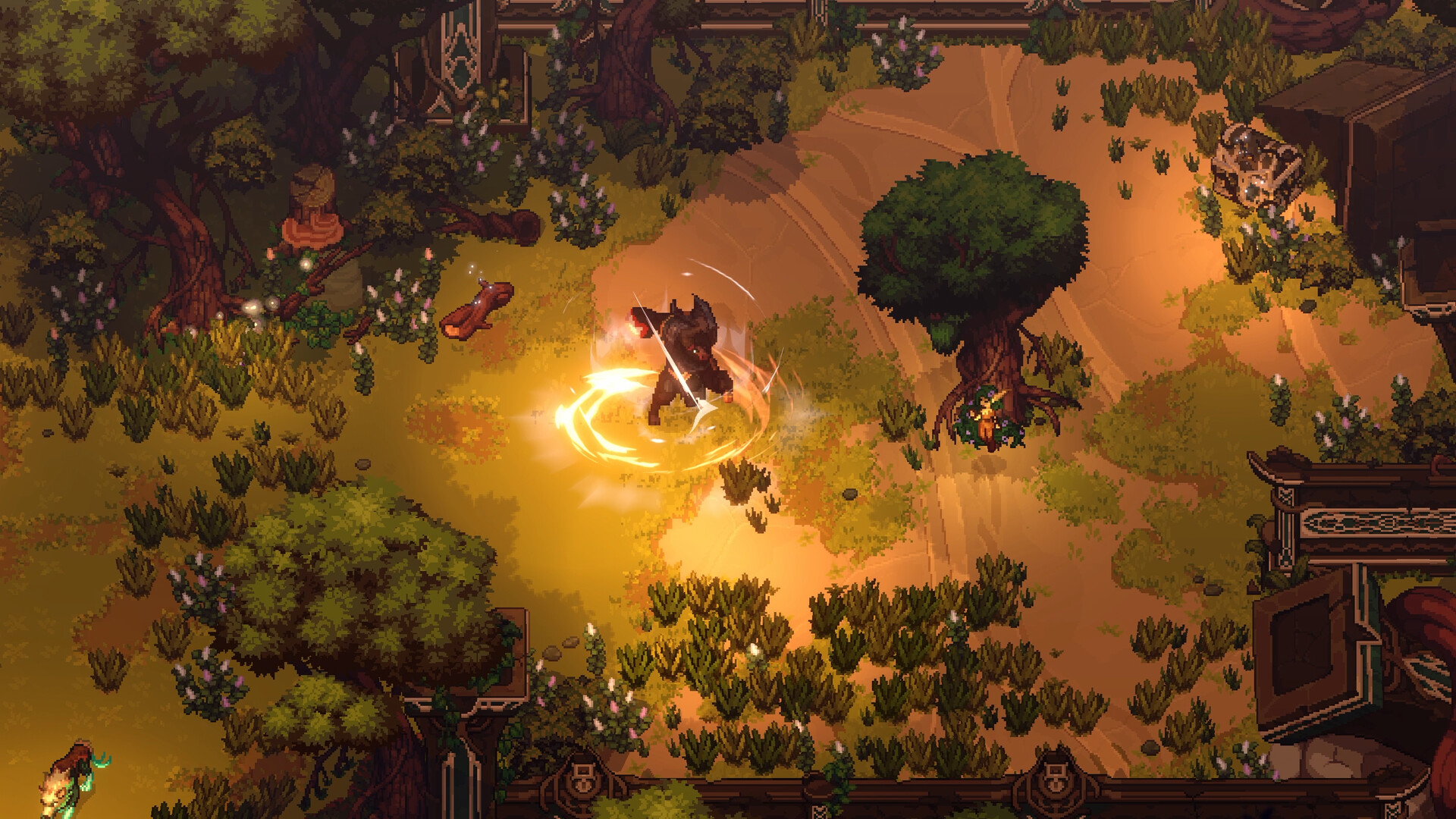
If there’s one area where Dimraeth consistently delivers, it’s the moment-to-moment combat. The top-down perspective belies a system with real depth — stamina management, enemy telegraphing, positioning, and the kind of deliberate pacing that Souls-like fans will immediately recognize. Every attack is a commitment. You manage a stamina meter that doubles as a stance system, meaning both you and your enemies can be staggered at the wrong moment.
Blocking and dodging aren’t just defensive options — they’re tactical decisions with real costs. A well-timed perfect block negates incoming damage, but against enemies who chain rapid attacks together, the window narrows quickly. The dodge roll covers substantial distance, making it the safer default for most encounters, but it also burns stamina at a rate that punishes button-mashing.
The spell system adds another layer. You equip five spells at a time, and with over 300 available across the full skill tree, the theorycrafting potential is enormous. Your race and class determine your starting spells, while crafted spellbooks grant access to universal magic — provided you meet the attribute requirements. The result is a combat system that feels satisfying from the tutorial onward but reveals new depth as you invest in your build.
Character Creation and the Build Machine
Dimraeth’s character creation is where the game’s ambitions first become tangible. Eight races and six classes create 48 starting archetypes, each with its own skill tree and playstyle. A Minotaur Magician isn’t just a cosmetic choice — it’s a fundamentally different character from an Elf Brawler, with different starting stats, different spell access, and different progression paths.
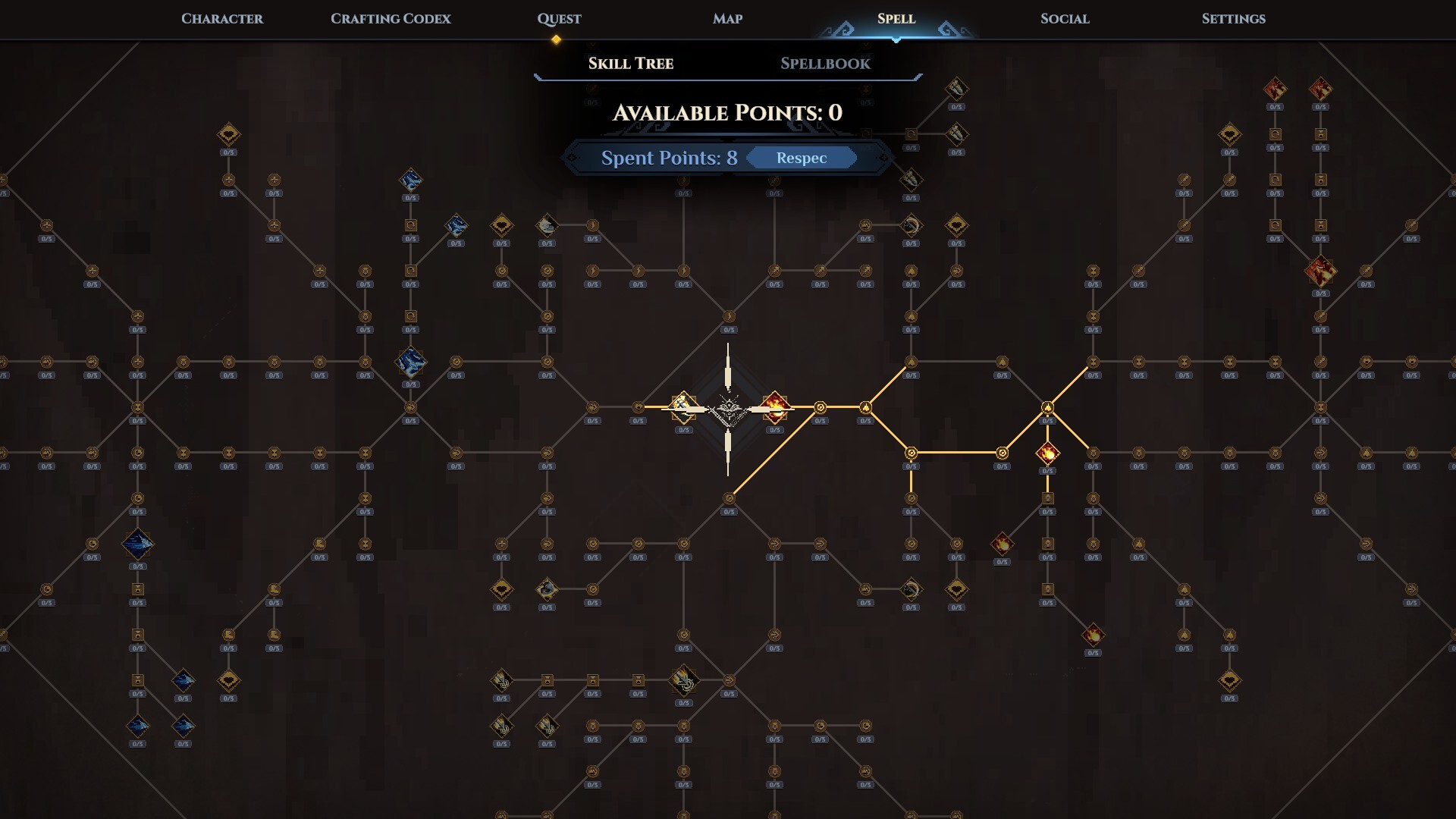
The skill tree itself draws heavily from Path of Exile’s node-based approach. You zoom out to reveal a massive interconnected web, with small stat buffs gradually leading to more substantial abilities. Gaining experience requires returning to a camp or trainer to spend points, adding a resource-management element that keeps progression from feeling passive. Skills can be modified to change how they behave — altering resource consumption, introducing split damage effects, or picking up utility improvements that affect exploration.
The persona system adds yet another dimension. Choosing between heroic, scholarly, joker, or stoic affects dialogue options and starting stats, creating a character who feels distinct from the very first interaction. For theorycrafters, the combination of race, class, persona, and skill tree investment creates a build space that could consume hundreds of hours.
Co-op, Base Building, and Everything Else
Dimraeth supports seamless drop-in/drop-out co-op for up to eight players, and it’s one of the game’s strongest selling points. Your hero’s level, equipment, inventory, and spells persist between worlds, while story progress and buildings remain tied to each individual world. This creates an interesting dynamic where your character development is portable but your settlement investment is personal.
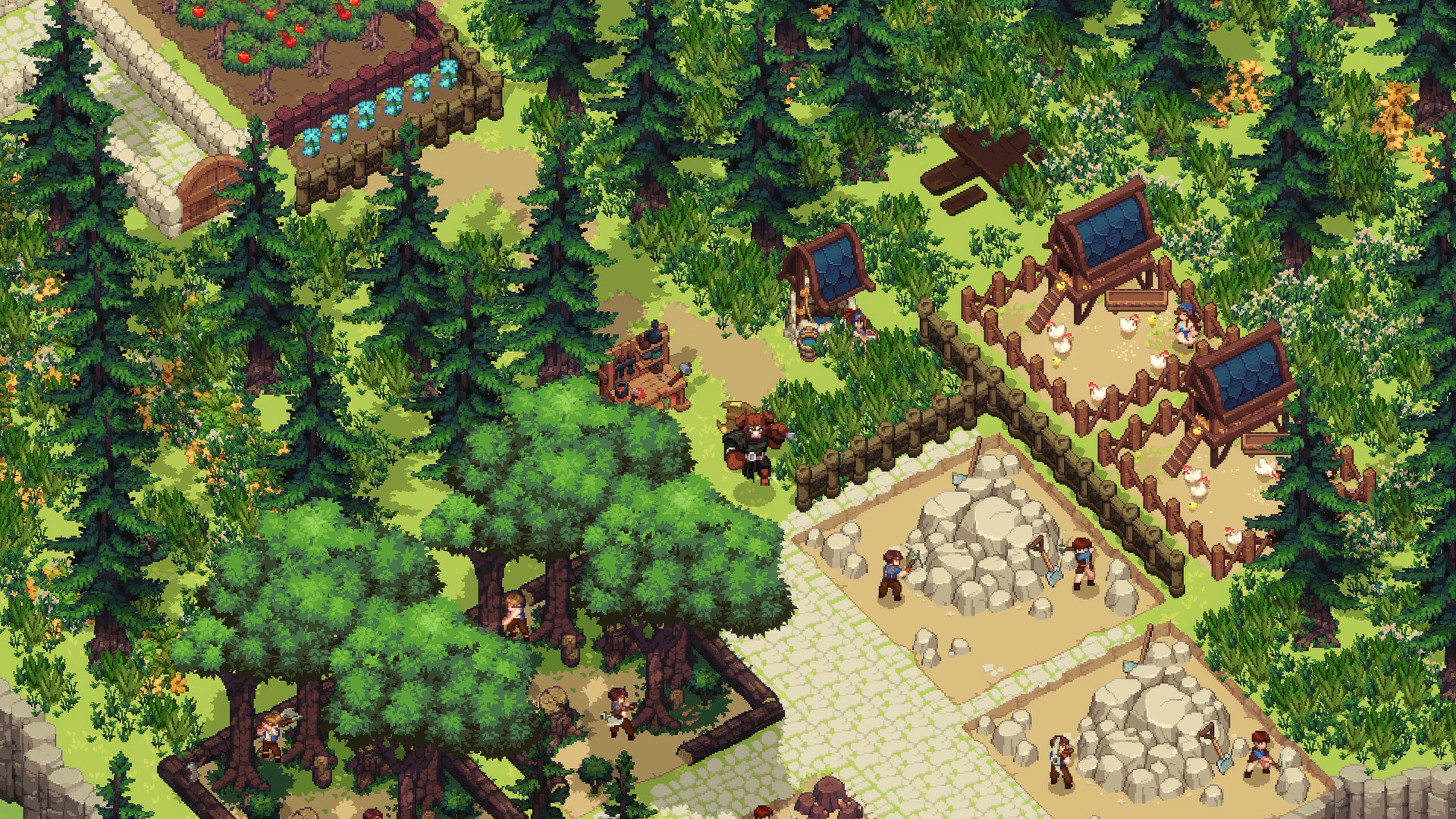
The base-building component is more developed than you might expect from a game this size. You can construct farms, quarries, and other resource-gathering structures, and your allies’ facilities expand shop inventories and unlock new crafting services. There’s a survival-lite hunger mechanic that ties into the cooking system, though it’s gentle enough to avoid becoming a chore.
Romance and relationship mechanics are also present in the Early Access build, with deeper connections unlocking personal quests and additional dialogue options. Whether these systems will feel substantial enough to justify their inclusion remains to be seen — in the current build, they’re more promising than polished.
The scope here is genuinely impressive for a first project. The problem isn’t that Dimraeth tries to do too much — it’s that the seams between systems sometimes show. The game occasionally feels like several different games stacked on top of each other rather than a unified experience. But the individual pieces are strong enough that you keep playing, kept going by the knowledge that the next unlock might be the one that ties everything together.
Visuals, Audio, and Atmosphere
Dimraeth’s art style occupies an interesting middle ground. While marketed as pixel art, the game’s actual presentation is closer to detailed painted 2D environments with small character sprites. The result is more visually rich than traditional pixel art — lush forests, atmospheric caverns, and detailed settlement layouts that reward close inspection. The environmental variety across the Early Access areas is genuinely impressive, with each location feeling distinct in both color palette and mood.
The audio design is functional rather than memorable. Combat sounds are punchy enough to sell the weight of each hit, and the ambient soundscapes in exploration areas create a pleasant backdrop. The music does its job without demanding attention, which is both a compliment and a criticism — it blends in rather than standing out.
Performance and Technical Problems
This is where Dimraeth’s Early Access status shows most clearly. Several players have reported performance issues even on high-end hardware — stuttering during combat, frame drops in settlement areas, and occasional warping or teleportation bugs in the tutorial zone. One player with a Ryzen 9 5900X and RX 7900 XTX reported being unable to complete the tutorial without encountering weird warping issues.
The developers have acknowledged these issues and are actively patching, but they represent a real barrier to enjoyment in the current build. Movement can feel sluggish and clunky, particularly in the game’s opening hours, and some players have found the initial 20-30 minutes to be an endurance test rather than an engaging introduction. Combat fluidity is a recurring point of criticism — while the system is fundamentally sound, the execution occasionally feels stiff.
Pros and Cons
Pros:
- Deep combat system with genuine Souls-like weight and tactical variety
- Staggering character creation depth — 48 archetypes with distinct playstyles
- Handcrafted world that rewards exploration with meaningful contrast between danger and safety
- Seamless drop-in co-op for up to eight players
- Base building and crafting systems that extend gameplay beyond combat
- Strong value at $19.79 USD during the Early Access launch discount
Cons:
- Opening hours are painfully slow and fail to showcase the game’s best systems
- Dialogue writing ranges from generic to conspicuously formulaic
- Performance issues on high-end hardware, including stuttering and warping bugs
- Clunky movement and attack fluidity that undermine the combat system’s depth
- Too many systems competing for attention without a unified core loop
- Only three races and three classes available at launch despite marketing promises
SteamGamer Verdict
Dimraeth is a game that shouldn’t work on paper — and somehow almost does. Mudtek has built something genuinely ambitious, a pixel-art fantasy RPG that takes the best ideas from Souls-likes, survival games, and co-op ARPGs and tries to weave them into something coherent. The combat is satisfying, the character builds are deep, and the world is worth exploring. But the Early Access label is there for a reason. The game’s opening is sluggish, the writing is rough, and the performance needs serious attention. For $19.79 USD, there’s enough here to justify the purchase if you’re willing to invest in the promise rather than the current reality. Dimraeth isn’t a masterpiece yet — but it’s a foundation worth building on.
Score: 6.5/10

Lena Nakamura begins every review with one question: what is this game doing that nobody else would attempt? She covers roguelikes, narrative experiments, striking art direction, and games willing to risk failure in pursuit of something original. Familiar ideas do not bother her, but safe execution does. If a game is beautiful, strange, and slightly impossible to explain, Lena is already interested.


Comment here