
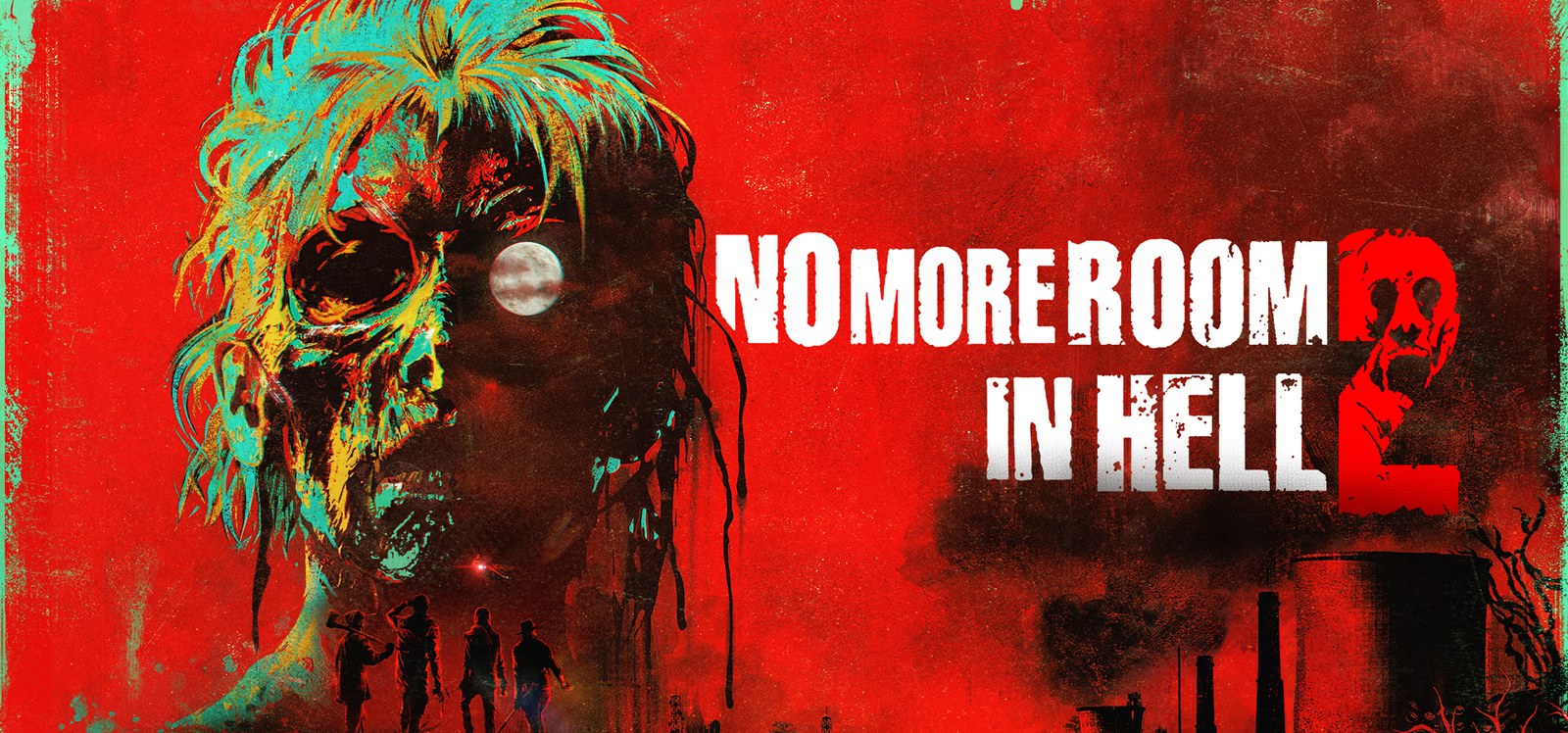
The dead don’t wait. Neither does No More Room in Hell 2. After two years of Early Access, Torn Banner Studios has shipped the 1.0 “Armageddon” update, and the result is one of the most punishing co-op zombie experiences on Steam — a game that makes Left 4 Dead feel like a warm-up round. This is not a power fantasy. This is eight people fumbling through the dark with flashlights, scarce ammo, and the constant knowledge that one bad decision means losing everything.
If you’ve been waiting for a zombie game that actually makes you afraid of dying, No More Room in Hell 2 delivers that in spades. It also delivers bugs, janky hitboxes, and a community that can’t decide whether it’s playing a survival horror game or an extraction shooter. That tension — between brilliance and roughness — defines the entire experience.
Game Overview
No More Room in Hell 2 is an 8-player cooperative survival horror shooter developed and published by Torn Banner Studios, the studio behind Chivalry 2. Released on August 11, 2026 at $29.99 USD, it’s the standalone sequel to the beloved 2011 Source mod that racked up millions of downloads. The game pits squads of Responders — civilian volunteers thrust into the apocalypse — against relentless zombie hordes across the decaying Northeast United States.
Unlike most co-op shooters, NMRiH2 is deliberately slow. There are no hero abilities, no kill streaks, no respawns. You move carefully, you communicate constantly, and you pray that the person next to you doesn’t panic and attract every zombie in a three-block radius. It’s a game built on tension, resource scarcity, and the ever-present threat that your character — the one you’ve been leveling up for hours — could die permanently.
World, Story, and Setting
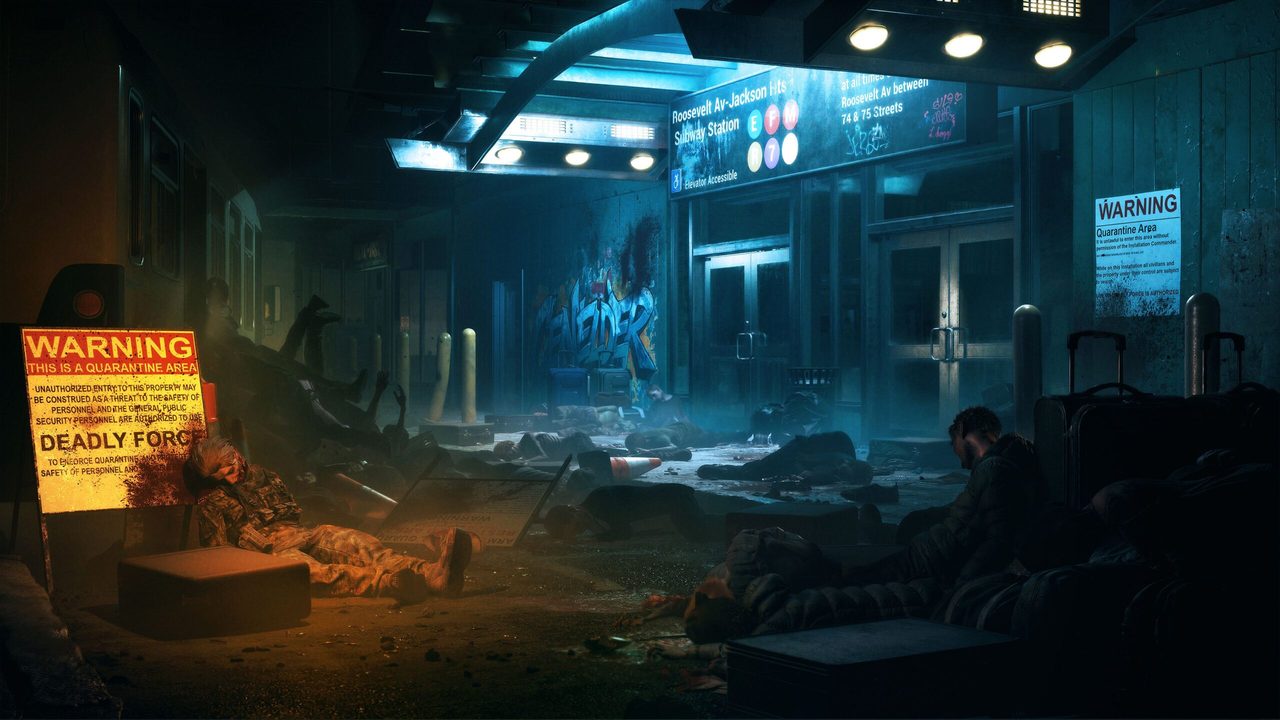
The Kulon pandemic swept across the world, inducing comas and death before the dead began to walk. You deploy as a Responder into the aftermath: the Northeast Coast of the United States, ravaged and abandoned. Six maps form the core of the experience, each depicting a different slice of societal collapse. There’s the urban sprawl of Lewiston, Maine and the iconic stretch of Broadway in New York. There’s the industrial decay of Pennsylvania, the eerie corridors of Beaulieu Hospital, and the cold sterility of a government bunker hidden underground.
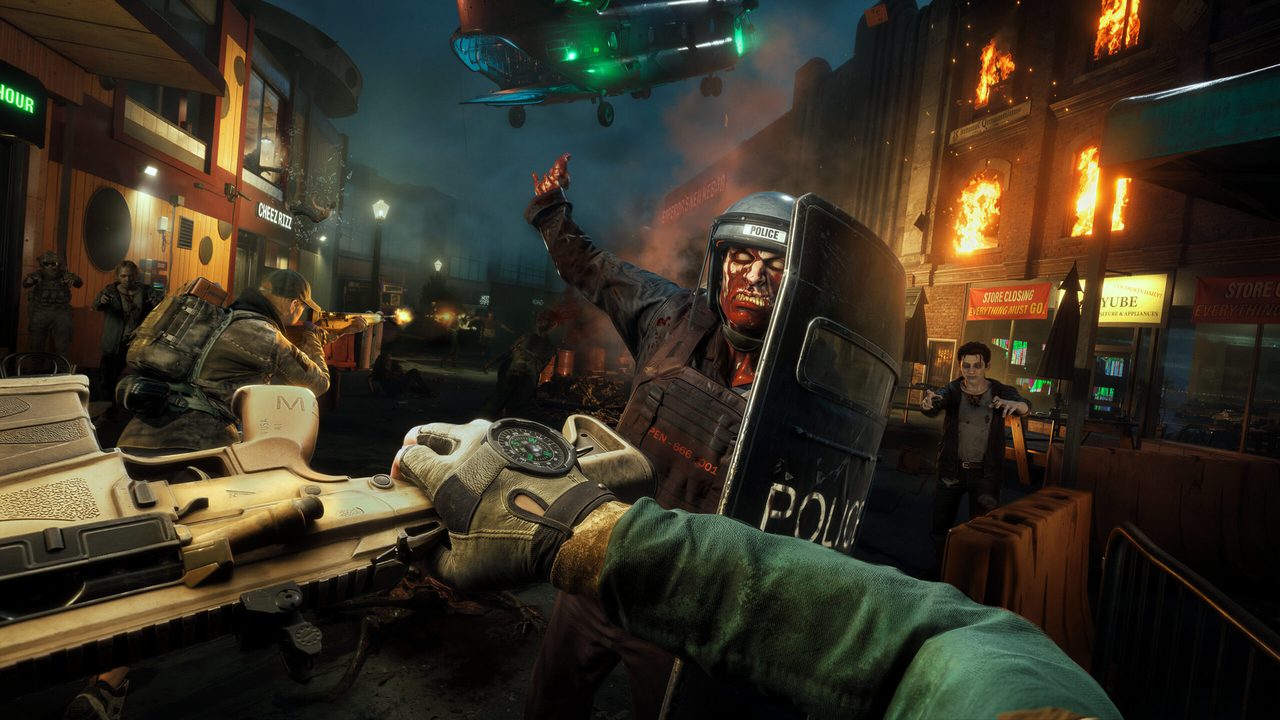
Each map has its own time of day, its own atmosphere, and its own set of objectives. The subway tunnels feel claustrophobic and suffocating. The hospital corridors drip with institutional dread. The New York streets, paradoxically, feel both expansive and trap-like — open skies above, but the horde closing in from every alley. The environmental storytelling is strong: you’re not just clearing rooms, you’re piecing together what happened here. Abandoned barricades, hastily written notes, the remnants of failed evacuations. The world feels lived-in and recently lost.
Gameplay and Combat
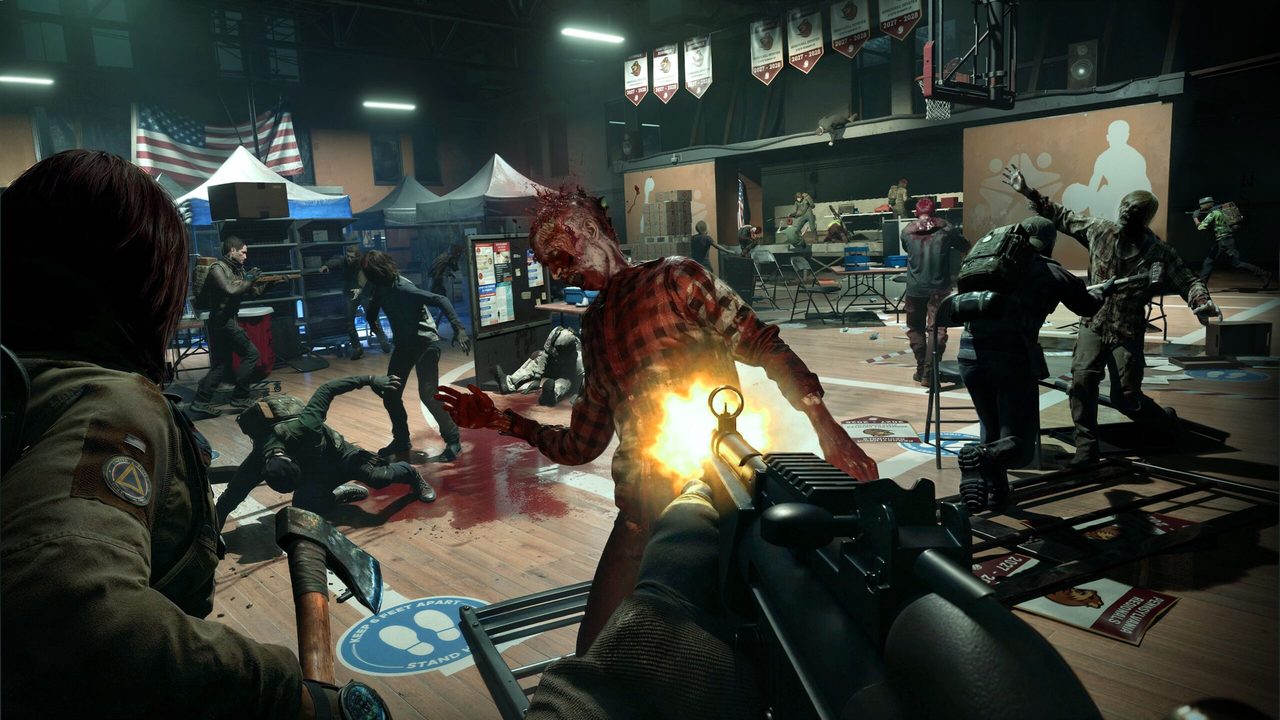
The moment-to-moment gameplay loop is deceptively simple: spawn with minimal gear, scavenge for weapons and supplies, complete objectives, and extract. But every layer of that loop is loaded with consequence. Weapons range from improvised — beer bottles, crowbars, fire axes — to military-grade firearms with attachable scopes and suppressors. Ammo is genuinely scarce. Healing items are rarer still. And the zombies? They react to sound, to light, to your very presence.
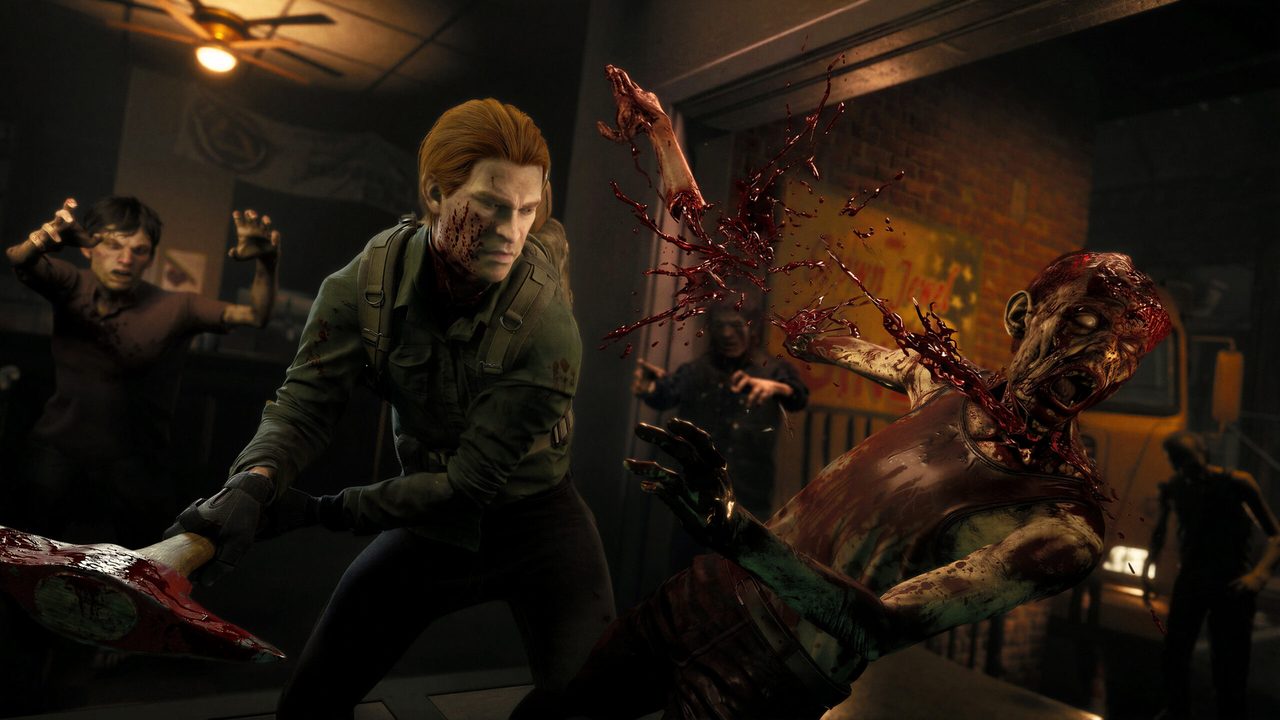
Combat is visceral but unforgiving. The melee system has weight — swinging a fire axe into a zombie’s skull feels impactful, when it connects properly. The hit detection can be inconsistent, especially in tight spaces, and some players have reported frustrating moments where a clean swing simply doesn’t register. Ranged combat fares better, though recoil and weapon sway demand patience. This isn’t a game where you spray and pray; every bullet counts because you might not find another magazine for ten minutes.
The infection mechanic adds a layer of dread that no other zombie game quite replicates. Get bitten, and a timer starts. Find pills or a gene therapy cure before time runs out, or your character dies and reanimates — becoming a threat to your own teammates. It creates genuinely panicked moments: do you push forward to find medicine, or do you accept the loss and save your squad the trouble? Several reviews describe the gut-wrenching experience of whispering goodbye to teammates before pressing the suicide key, knowing your zombie form will otherwise hunt them down.
Progression and Replayability
NMRiH2 features a persistent character progression system that adds genuine stakes to every mission. Successfully extract, and your Responder earns experience, unlocks perks, and starts future missions with better gear. Die, and you lose everything that character had accumulated. It’s permadeath in its purest form, and it transforms every encounter from “annoying” to “existential.”
The perk system allows for some build variety — you can specialize in combat, medical support, or scavenging efficiency. Over multiple successful extractions, your character becomes meaningfully more capable, which makes the prospect of losing them all the more devastating. This creates a natural risk-reward tension: do you push deeper into a dangerous area for better loot, or play it safe and extract with what you have?
Replayability comes from the map variety and the unpredictable nature of each run. The dynamic horde system means zombie spawns aren’t fixed — they react to noise, gunfire, and player movement. Two playthroughs of the same map can feel substantially different. That said, with only six maps in rotation, veteran players have noted that the content can start to feel thin after extended sessions. Community maps and mod support would go a long way toward longevity.
Visuals, Audio, and Atmosphere
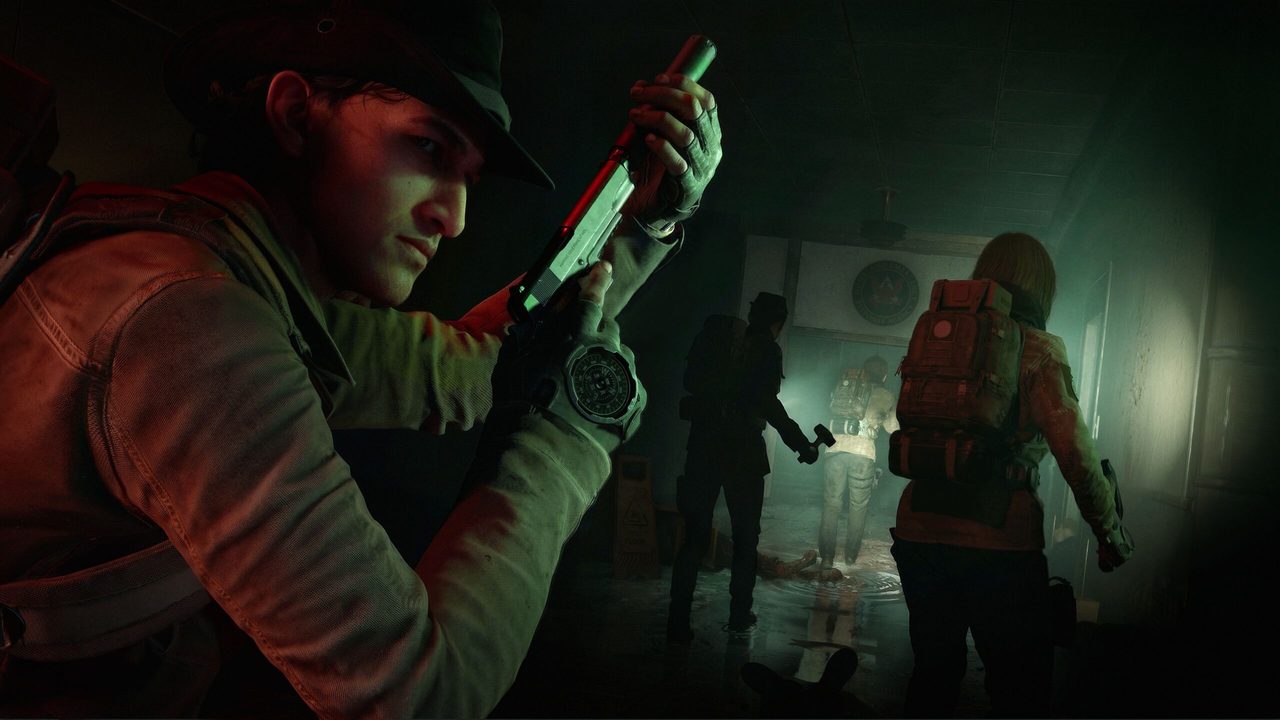
Built on Unreal Engine 5, No More Room in Hell 2 looks excellent when it wants to. The lighting engine is the star — flashlight beams cutting through fog, the red glow of emergency lights reflecting off wet surfaces, the way darkness genuinely conceals threats. The gore system delivers satisfyingly grotesque wound detail, and the zombie designs range from shambling walkers to more aggressive special types that force tactical repositioning.
The audio design is where the game truly excels. Proximity voice chat means you hear your teammates’ panicked breathing as they round a corner into a crowd of the undead. The ambient soundscape — distant groaning, the scrape of shuffling feet, the sudden silence before an ambush — builds dread in ways that cutscenes never could. Music is used sparingly, which is exactly right for a game that wants you listening for danger.
Performance and Technical Problems
No More Room in Hell 2 is not a polished product. Even after the 1.0 launch, performance issues persist. Crashes are reported across a range of hardware configurations, and some players have experienced debilitating server lag during peak hours. Chinese players in particular have flagged severe latency issues, with some reporting 1000+ ping making the game unplayable. Frame rate stability varies, and the game can stutter during intense horde encounters — exactly when you need smooth performance most.
Beyond performance, there are gameplay jank issues that haven’t been fully addressed. Enemy pathing can be erratic, with zombies sometimes walking through geometry or getting stuck on environmental objects. Hit detection inconsistencies, particularly with melee weapons, remain a common complaint. Some players have reported losing max-level characters to disconnection errors, which is particularly punishing in a permadeath system. Torn Banner has been actively patching since launch, but the technical foundation needs more work.
Pros and Cons
Pros:
- Intense 8-player co-op that rewards communication and teamwork
- Permadeath system creates genuine tension and meaningful stakes
- Atmospheric level design with strong environmental storytelling
- Outstanding audio design and proximity voice chat integration
- Dynamic horde AI that reacts to player behavior
- Deep character progression with meaningful perk choices
- Six detailed maps with varied settings and objectives
Cons:
- Performance issues including crashes and server lag
- Inconsistent hit detection, especially for melee combat
- Only six maps can feel repetitive after extended play
- Enemy pathing bugs and geometry clipping
- Community split between survival horror and extraction shooter playstyles
- Steep punishment for disconnections in a permadeath system
- Limited content compared to established competitors like Left 4 Dead 2
SteamGamer Verdict
No More Room in Hell 2 is a game at war with itself. At its best, it delivers the most tense cooperative zombie experience available — the kind of game where your heart pounds during a quiet corridor walk because you know what might be around the corner. The permadeath system, the infection mechanic, the scarce resources, the proximity voice chat — they all combine to create moments that no other game in the genre can replicate.
But it’s rough. Genuinely rough. Crashes, hit detection issues, server lag, and a limited map pool hold it back from greatness. The 1.0 launch was a significant improvement over Early Access, but the technical foundation still needs work. For players willing to overlook the jank — or who have a full squad of patient friends — there’s a phenomenal game buried in here. For everyone else, it’s a frustrating experience that’s one patch away from being something special.
The bones are strong. The atmosphere is unmatched. The core loop is addictive when it works. No More Room in Hell 2 isn’t the finished article yet, but it’s closer than it’s ever been, and the trajectory is encouraging. If Torn Banner can stabilize the performance and expand the content, this could become the definitive co-op zombie game. For now, it’s a brilliant, flawed survivor — much like the characters you’ll play.
Score: 7.0 / 10

Lena Nakamura begins every review with one question: what is this game doing that nobody else would attempt? She covers roguelikes, narrative experiments, striking art direction, and games willing to risk failure in pursuit of something original. Familiar ideas do not bother her, but safe execution does. If a game is beautiful, strange, and slightly impossible to explain, Lena is already interested.


Comment here