
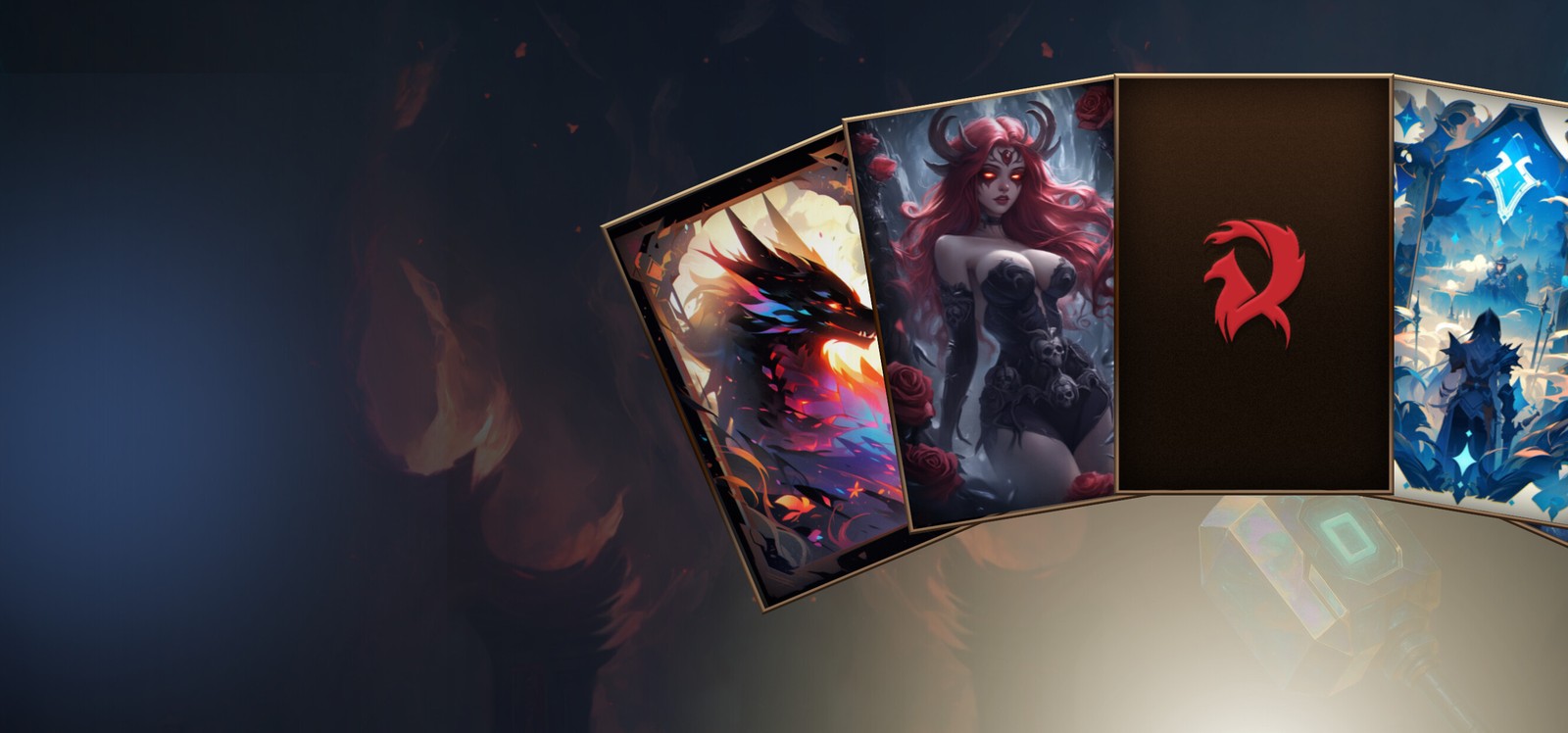
Most digital card games ask you to master someone else’s meta. Ariokan asks you to destroy it. From the moment you open the card editor and start dragging keywords onto a blank template, this competitive CCG from Fatum Games makes one thing crystal clear: the cards you’ll play with next week might not exist yet, because you’re the one who’s going to build them.
Released on July 27, 2026, Ariokan enters a crowded genre shaped by Hearthstone, Magic: The Gathering Arena, and Legends of Runeterra. But it doesn’t try to out-polish those giants. Instead, it sidesteps them entirely with a player-driven card creation system that turns every match into something genuinely unpredictable. After working through PvP matches, sampling roguelite runs, and repeatedly tinkering in the editor, here’s what stands out.
What Is Ariokan?
Ariokan is a buy-to-play competitive digital card game built around one core promise: you create your own cards. Developed by Fatum Games SL, a Spanish studio that’s been iterating on this concept since its early access days on the Epic Games Store, the game ships with over 10,000 community-created cards and a card editor robust enough to support genuinely strategic deckbuilding. The result is a CCG where the meta isn’t just shifting—it’s being actively rewritten by its playerbase every single day.
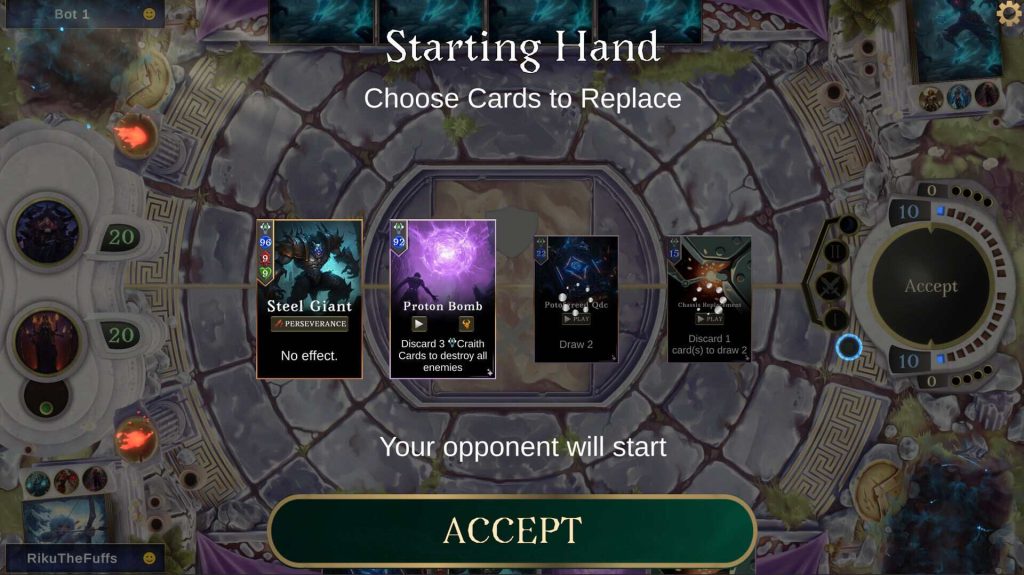
The structure will be familiar to anyone who’s played Magic or Hearthstone. You pick a God as your faction leader, build a deck from Minions, Spells, and Legends, and fight opponents in turn-based matches where the goal is to reduce their life points to zero or deplete their deck. Mana ramps each turn, and every turn is interactive—your opponent can respond to your plays in real time, eliminating the solitaire problem that plagues so many digital card games.
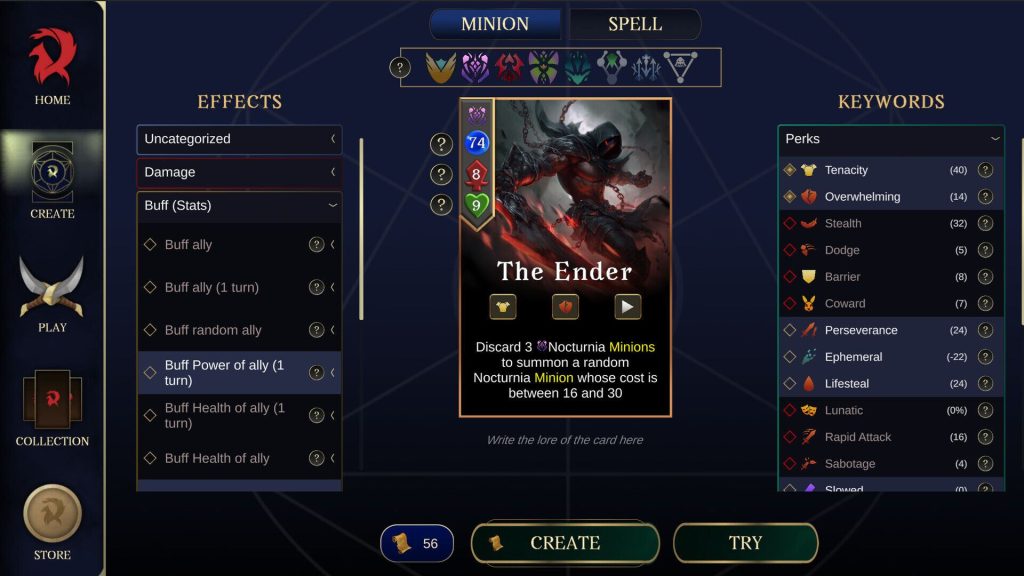
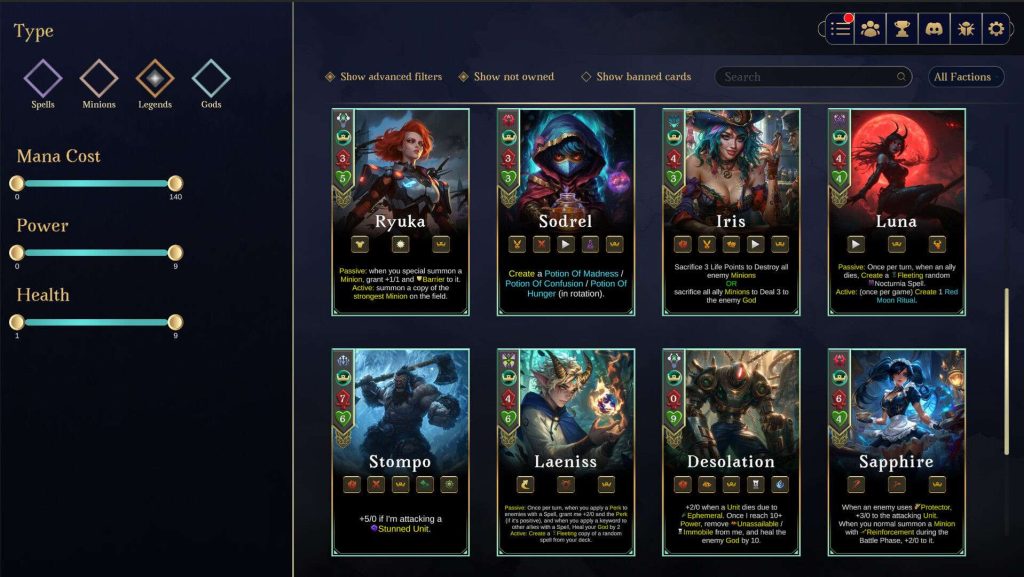
But the twist is in the creation layer. Using the in-game Cards Editor, you can design new cards from scratch: choosing a faction, assigning stats, selecting from dozens of effects and keywords, and even adding custom artwork and lore. Cards you create become available to other players worldwide, and you can unlock anyone else’s creations for your own decks. It’s a community-powered arms race, and it gives the game a creative energy that no other CCG on the market currently matches.
World, Story, and Central Premise
Ariokan doesn’t lean heavily on a traditional narrative, and honestly, it doesn’t need to. The world-building lives in the cards themselves. Each of the eight factions has its own aesthetic and mechanical identity—Nocturnia’s shadowy minions, the frost-attuned factions that reward freezing strategies, the aggressive rush archetypes. When players design cards with custom lore, artwork, and character names, they’re essentially co-authoring the game’s universe in real time.
The roguelite mode provides the closest thing to a structured story. You choose a faction, start with a starter deck, and fight through a node-based campaign map. Clear stages earn you new cards and relics that modify your deck as you progress, building toward a boss encounter at the end of each run. It’s a solid alternative to the competitive ladder, offering a more relaxed way to explore faction synergies without the pressure of PvP matchmaking.
For players who care about competitive structure, the game runs monthly tournaments with real money prizes, and top players can eventually design official God or Legend cards with developer guidance. That pipeline—from community creator to official game content—is one of the most ambitious systems in the genre, and it gives dedicated players a reason to invest beyond just winning matches.
Gameplay and Combat
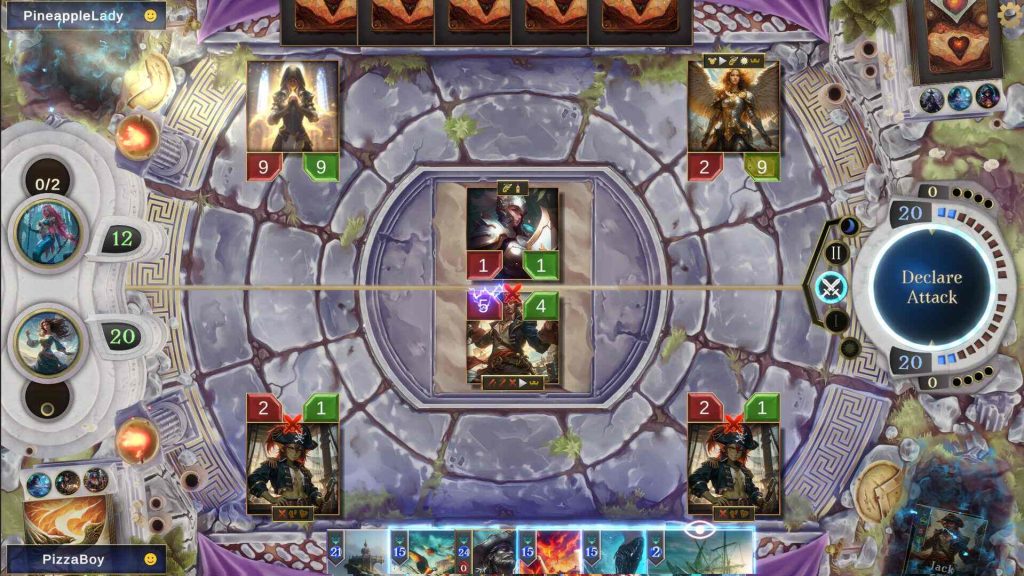
The moment-to-moment gameplay is where Ariokan earns its keep. Matches are fast, interactive, and full of decision points. Every turn, both players can play cards in response to each other’s actions, which means you’re never sitting idle while your opponent takes a five-minute solitaire turn. Mana management matters, positioning matters, and knowing when to commit resources versus when to hold back is the difference between a clean win and a frustrating loss.
The God system adds a layer of strategic depth that rewards faction mastery. Each God provides passive bonuses that shape how you build your deck—a fire-themed God might buff aggressive minions, while a defensive God rewards stalling and healing strategies. Legends are the heavy hitters: powerful units that can only be summoned by completing mini-quests during the match, like dealing a certain amount of damage or playing a specific number of cards from a faction. They’re the comeback mechanic, the tide-turners, and building your deck around when and how you’ll summon them is half the fun.
The card creation system itself is surprisingly deep for a game at this price point. You’re not just picking from a handful of templates—you’re combining effects, keywords, and faction-exclusive abilities to create cards that feel genuinely unique. A player-created unit with lifesteal might synergize with a Vampire Legend that triggers when you deal enough drain damage. A frost-themed spell could unlock combos with a God that buffs your board whenever enemies are frozen. The combinatorial possibilities are staggering, and the auto-balancing system ensures that no single card becomes an automatic win condition.
Progression and Replayability
Progression in Ariokan is generous for a paid card game. You unlock a card once and use it everywhere—no need to grind multiple copies like in Hearthstone. At the time of review, a free card pack arrives daily, and a weekly vault on Thursdays delivers additional packs and cards. Starter quests provide wildcards for forging existing cards and divine scrolls for creating new ones, so you’re never stuck waiting for the right piece to fall into your deck.
The roguelite mode adds substantial replay value beyond the competitive ladder. Each run starts fresh with a faction-specific starter deck, and the cards and relics you collect along the way create different strategic paths through the campaign. It’s the kind of mode you can sink an afternoon into without realizing how much time has passed, and it’s a great way to test faction mechanics before bringing them into PvP.
Modding support extends the game’s lifespan even further. Players can tweak rules for custom game modes, share them with the community, and create entirely new ways to play. Combined with the fact that new player-created cards appear regularly, Ariokan has a living, evolving meta that never feels static. The game also offers offline mode, so you can keep playing even if the servers go down—a surprisingly consumer-friendly move that shows the developers are thinking long-term.
The economy is fair. Ariokan currently costs $29.99, and that base purchase unlocks the full game, including all factions and the card editor. Optional in-app purchases can speed up pack acquisition or card creation, but the cards themselves remain earnable through play and the system does not sell exclusive competitive power. For players frustrated by aggressive CCG monetization, Ariokan’s approach feels refreshingly straightforward.
Visuals, Audio, and Atmosphere
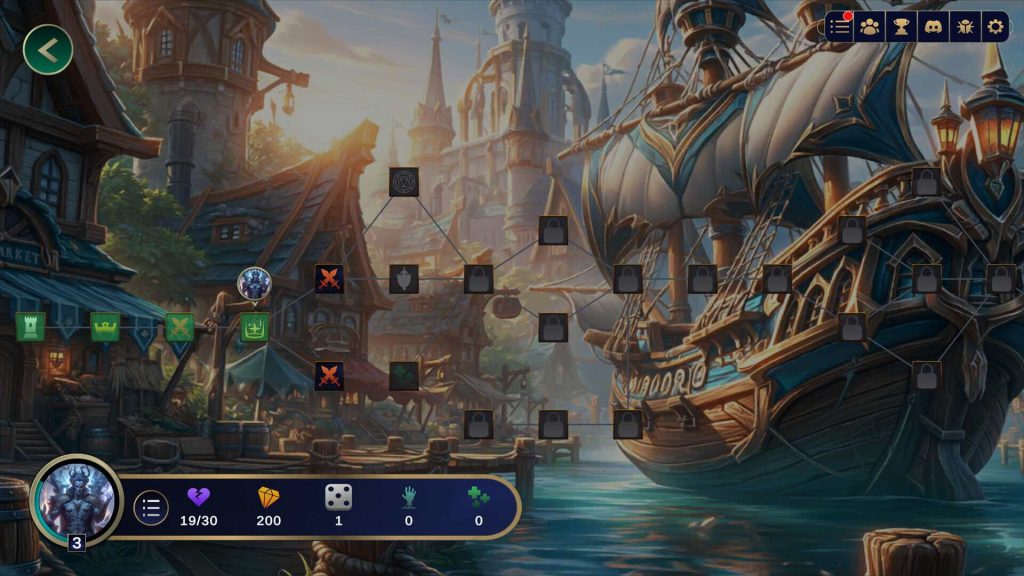
Ariokan’s visual presentation is functional rather than spectacular, and that’s okay. The card art ranges from polished to rough, which is inevitable when the community is creating most of it. Some player-made cards look professional; others are clearly hobbyist work. The interface is clean and readable, with clear stat displays and effect descriptions that don’t require a magnifying glass. The campaign map in roguelite mode has a painted fantasy aesthetic that works well, and the battle board is uncluttered enough to keep focus on the cards.
The audio design is minimal but effective. Background music sets a competent fantasy tone without being distracting, and sound effects for card plays, attacks, and Legend summons provide satisfying feedback. It’s not the kind of soundtrack you’ll listen to outside the game, but it does its job without getting in the way of the strategic thinking that Ariokan demands.
Atmosphere-wise, the game benefits enormously from its community-driven approach. Every match feels different because the card pool is constantly expanding. Walking into a PvP match not knowing what your opponent has created is genuinely exciting in a way that established card games with fixed pools simply can’t replicate. That sense of discovery—uncovering a clever new card someone designed, or finding an unexpected synergy in your own collection—is Ariokan’s secret weapon.
Performance and Technical Problems
As a relatively new release, Ariokan isn’t without rough edges. The UI, while functional, could use some polish—several Steam reviewers have noted that the interface feels unpolished compared to larger-budget competitors. Some players have also expressed concerns about the prevalence of AI-generated artwork on store assets and player-created cards, which can make the visual presentation feel inconsistent.
On the technical side, current Steam feedback focuses more on interface polish and balance than widespread crashes. The core competitive experience naturally requires an internet connection, while the inclusion of offline play provides a useful fallback for solo sessions.
The card balance, despite the auto-balancing system, is a work in progress. Some players have noted that certain card combinations can end matches in three or four turns, though the developers are actively responsive to community feedback and push balance patches regularly—roughly every few weeks based on the update cadence.
Pros and Cons
Pros:
- Player-driven card creation is genuinely innovative and endlessly replayable
- Interactive turn system eliminates solitaire gameplay
- Fair paid economy with no exclusive pay-to-win cards
- Active, transparent developer team that listens to community feedback
- Monthly tournaments with real prizes add competitive stakes
- Offline mode ensures long-term playability
- Deep faction and God system rewards strategic mastery
- Roguelite mode provides excellent solo content
Cons:
- UI polish lags behind bigger-budget competitors
- AI-generated artwork on some assets feels inconsistent
- Small launch community makes PvP feel less populated than established CCGs
- Some player-created cards can feel unbalanced in specific matchups
- Audio design is functional but unremarkable
SteamGamer Editorial Verdict
Ariokan does something that very few digital card games attempt: it puts creative control in the hands of its players and builds an entire competitive ecosystem around that freedom. The card editor is deep, the auto-balancing system is thoughtful, and the community has already produced over 10,000 cards that keep the meta in constant motion. It won’t replace Hearthstone’s polish or Magic’s depth overnight, but it doesn’t need to. For players who’ve been waiting for a CCG that respects their time, rewards their creativity, and never stops surprising them, Ariokan is the rare game that delivers on its promise.
The $29.99 asking price is fair for the amount of deckbuilding and solo content here, and the developer’s commitment to regular updates and community engagement suggests this is a game that can keep improving with time. If you’ve been drifting between digital card games looking for something that feels genuinely fresh, Ariokan deserves your attention.
Score: 8.0 / 10

Dan Kowalski reviews games by listening to what they do before believing what they promise. He cares about responsive combat, purposeful sound design, satisfying movement, and whether a game respects the player’s time. Dan will forgive technical roughness when the underlying experience is exceptional. He will forgive almost anything for a brilliant combat system—but never a tutorial that refuses to stop talking.





Comment here